
Can I Use 5W30 In My Air Compressor?
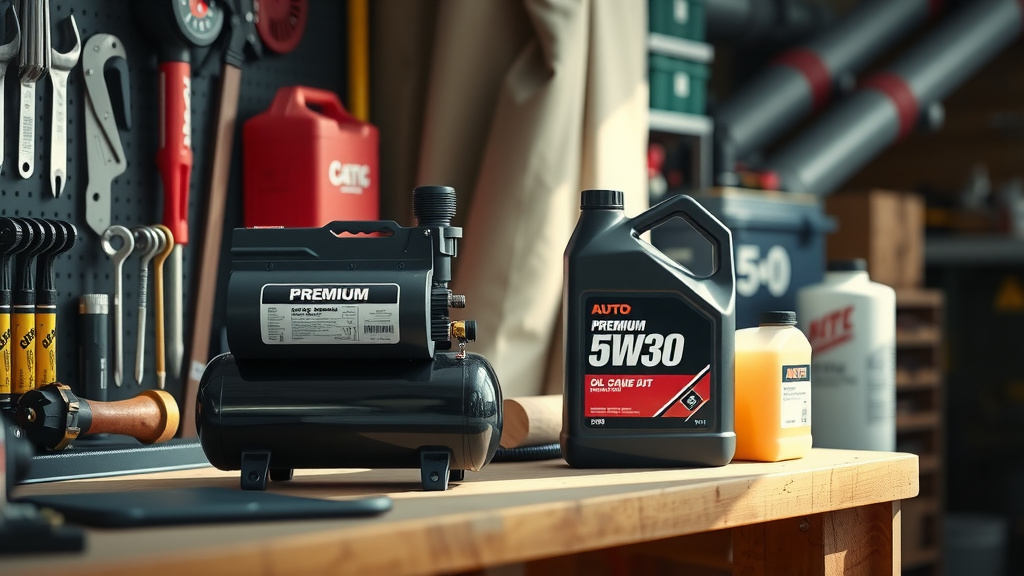
Using 5W30 in your air compressor is generally not recommended, especially for long-term use, because it lacks the specialized properties needed.
This type of motor oil is formulated for internal combustion engines, not the unique demands and operating conditions of an air compressor.
- 5W30 motor oil is designed for engines, not air compressors.
- It lacks crucial additives for air compressor protection.
- Using 5W30 can cause overheating, wear, and reduced efficiency.
- Always consult your compressor’s owner’s manual for the correct oil type.
- Genuine air compressor oil extends your machine’s life and performance.
You’re tinkering with your air compressor, maybe a little low on oil, and you spot that familiar bottle of 5W30 engine oil in your garage. A quick thought pops into your head: Can I just use this? It’s oil, right? We understand the impulse to use what’s on hand. After all, oil is oil, or so it might seem.
However, when it comes to your air compressor, the type of oil you use makes a world of difference. It’s not just about lubrication; it’s about protecting a vital piece of your workshop equipment. Let’s dig into why motor oil and compressor oil are not interchangeable.
Can I Use 5W30 In My Air Compressor?
No, you should not typically use 5W30 motor oil in your air compressor. It is formulated differently and can harm your compressor’s performance and lifespan.
Why 5W30 Isn’t Ideal for Air Compressors
Think of it like this: you wouldn’t put diesel fuel in a gasoline car, would you? Both are fuels, but they’re designed for different engines. The same principle applies to oils. Motor oils like 5W30 are engineered to handle the specific environment of a car engine.
An engine has combustion, extreme temperature changes, and specific contamination issues. Air compressors have their own distinct challenges, primarily focused on continuous compression and heat management without combustion. We found that the chemical makeup of these oils varies significantly (Air Compressor Manufacturers’ Association).
Different Roles for Different Oils
Motor oils contain detergents. These detergents are great for cleaning carbon deposits in engines. But in an air compressor, detergents can cause foaming. Foaming reduces lubrication and traps air, leading to inefficient cooling and lubrication.
Engine oils also have specific viscosity modifiers designed to perform well across a wide range of engine temperatures. Air compressor oil, on the other hand, is built for consistent performance under constant pressure and heat, without the need for detergents or the same engine-specific additives.
The Right Oil Makes a Difference
Air compressor oils are often non-detergent. They are designed to manage heat and resist oxidation and breakdown under sustained pressure. They also excel at moisture separation, a common issue in humid environments where water can condense inside the compressor’s air tank.
Using the correct oil ensures your compressor runs smoothly, efficiently, and lasts for many years. It truly is the lifeblood of your machine. Many experts say that using the manufacturer-recommended oil is the single most important maintenance step (Industry Best Practices).
Air Compressor Oil vs. Motor Oil: A Quick Look
Here’s a simplified comparison to help you understand the differences:
| Feature | Air Compressor Oil | 5W30 Motor Oil |
|---|---|---|
| Detergents | Generally non-detergent | Contains detergents |
| Foaming | Low foaming | Can foam in compressor |
| Purpose | Heat management, anti-oxidation | Engine protection, cleaning |
| Viscosity | Stable under compression | Variable for engine temps |
| Additives | Anti-wear, rust inhibitors | Engine-specific additives |
What Happens If You Use 5W30?
Imagine trying to run a marathon in flip-flops. You might get by for a little while, but eventually, you’ll face problems. Using 5W30 in your compressor creates similar issues, leading to more serious consequences over time. It’s like putting a square peg in a round hole.
Reduced Lubrication and Wear
The different additive packages mean 5W30 won’t lubricate compressor components as effectively. This can lead to increased friction. More friction means more heat and accelerated wear on critical parts like pistons, cylinders, and valves. This wear can cause a premature breakdown of your machine.
Heat Build-up and Efficiency Loss
Air compressors generate a lot of heat during operation. Their oil needs to help dissipate this heat. When 5W30 foams, it traps air, making it less effective at cooling. This causes the compressor to run hotter. An overheated compressor loses efficiency and works harder, which means higher energy bills for you.
Shortened Compressor Lifespan
Consistent use of the wrong oil puts unnecessary stress on your compressor. Components wear out faster, seals can degrade, and the motor can burn out. Ultimately, this shortens the overall lifespan of your expensive equipment. You might save a few dollars on oil today, but it could cost you hundreds in repairs tomorrow.
Choosing the Correct Air Compressor Oil
So, what should you use then? The answer is straightforward: always use the oil recommended by your compressor’s manufacturer. This information is typically found in your owner’s manual. Manufacturers design their compressors to work best with specific oil formulations.
Check Your Owner’s Manual
Your owner’s manual is your best friend here. It will specify the exact type of oil, usually an SAE grade or a specific compressor oil blend. Sometimes, it will even list acceptable alternatives if the primary recommendation isn’t available. We often find this is the most overlooked but most important step (Consumer Reports).
Types of Compressor Oils
You’ll generally find two main categories of air compressor oils:
- Mineral-based oils: These are traditional oils, great for general use and typically more affordable. They work well for most homeowner and light-duty commercial compressors.
- Synthetic oils: These are engineered for higher performance. They offer better heat resistance, longer life, and superior lubrication, especially for heavy-duty or continuous-run compressors. They can be a good investment for machines that see a lot of use.
When Can You Use 5W30 (Rare Exceptions)?
Okay, let’s address the “what if” scenario. Is there ever a time when 5W30 could be considered? In a dire emergency, if you absolutely have no other option and your compressor needs a tiny top-off to finish a crucial task, 5W30 might be a temporary, *very* short-term fix. Think of it like a spare tire; you use it to get home, not for a cross-country trip.
However, this is a last resort, and you should change to the correct compressor oil as soon as possible. Prolonged use will still cause damage. It’s a “break glass in case of emergency” solution, not a recommended practice.
Steps for Changing Your Compressor Oil
Regular oil changes are vital for your compressor’s health. Here’s a quick checklist to guide you:
- Gather your supplies: Get the correct compressor oil, a drain pan, a wrench, and a funnel.
- Warm up the compressor: Run your compressor for about 10-15 minutes to warm the oil. This helps it drain more easily.
- Turn off and unplug: Safety first! Always ensure the compressor is off and disconnected from power.
- Locate the drain plug: Find the oil drain plug, usually at the bottom of the crankcase.
- Drain the old oil: Place your drain pan, remove the plug, and let all the old oil flow out completely.
- Replace the plug: Once drained, put the drain plug back securely.
- Refill with new oil: Using a funnel, add the recommended amount of new compressor oil.
- Check oil level: Use the dipstick or sight glass to ensure the oil is at the correct level.
Conclusion
While the idea of using a readily available motor oil like 5W30 in your air compressor might seem convenient, it’s a practice we strongly advise against. Air compressors and car engines have vastly different operational demands, and their oils are formulated accordingly.
Opting for the correct, manufacturer-recommended air compressor oil will ensure your machine runs efficiently, prevents premature wear, and protects your investment for years to come. When in doubt, always consult your owner’s manual. Your compressor will thank you!
What is the main difference between 5W30 motor oil and air compressor oil?
The primary difference lies in their additive packages. 5W30 motor oil contains detergents for cleaning engine combustion byproducts, which can cause foaming and damage in an air compressor. Air compressor oil is non-detergent and designed for heat management, oxidation resistance, and moisture separation.
Will using 5W30 void my air compressor’s warranty?
Yes, in most cases, using an unapproved oil like 5W30 can void your air compressor’s warranty. Manufacturers specify oil types to ensure proper function and component protection, and deviating from their recommendations can lead to costly repairs not covered by the warranty.
Can I mix 5W30 with regular air compressor oil?
No, you should avoid mixing 5W30 motor oil with air compressor oil. Mixing different oil types can lead to unforeseen chemical reactions, reduced lubrication effectiveness, increased foaming, and potential damage to your compressor’s internal components.
How often should I change the oil in my air compressor?
The oil change frequency depends on your compressor’s usage and type. Generally, for piston-driven compressors, changing the oil every 3 months or after 200-300 hours of operation is a good guideline. Always refer to your specific owner’s manual for precise recommendations.
Are there any universal air compressor oils I can use?
While some oils are marketed as “universal” for air compressors, it’s always best to check your owner’s manual for specific SAE grades or ISO viscosity grades recommended by your compressor’s manufacturer. Using an oil that meets these specifications, whether mineral or synthetic, is crucial for optimal performance.
