
Can I Use A Regular Air Compressor For Airbrushing?
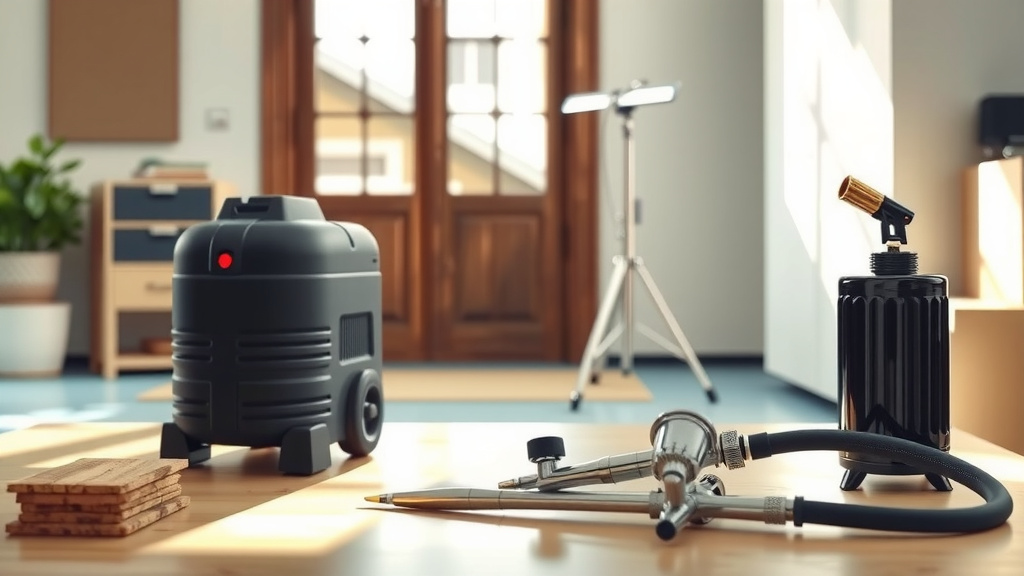
Yes, you can use a regular air compressor for airbrushing, but it requires specific adjustments and accessories to ensure proper air pressure and paint flow for delicate work.
While a standard compressor can get the job done, we found that dedicated airbrush compressors offer more precise control and quieter operation for optimal results.
- Regular compressors can work for airbrushing with modifications.
- You’ll need a pressure regulator and a a moisture trap to protect your work.
- Noise and inconsistent pressure are common challenges with standard units.
- Dedicated airbrush compressors provide better control and less hassle.
- Consider your budget and specific project needs before making your choice.
Can I Use A Regular Air Compressor For Airbrushing?
Yes, absolutely! You can adapt a regular air compressor for airbrushing, though it’s not always the perfect solution. You will need a few key accessories to make it work effectively and prevent common issues.
Many aspiring airbrush artists start this way. It’s a great way to test the waters without a big investment. Think of it like using a family car for racing; it can go fast, but it might need special tires and engine tweaks.
What’s the Big Difference Between Compressors?
You might be wondering, “What even makes a compressor ‘regular’ versus ‘airbrush-specific’?” It’s a fair question, and the answer lies in their design purpose.
Standard Air Compressors
Regular compressors, often called utility or shop compressors, are built for tasks like inflating tires, powering nail guns, or using impact wrenches. They deliver high volumes of air at significant pressure.
These units typically have larger tanks and more powerful motors. They cycle on and off to maintain tank pressure. This can sometimes lead to inconsistent airflow or pulsing during airbrushing.
Dedicated Airbrush Compressors
Airbrush compressors, on the other hand, are engineered for finesse. They provide a steady, low-pressure airflow. This consistency is vital for the fine details airbrushing demands.
We found that many models come with a built-in regulator and moisture trap. They are also usually much quieter. Some even run continuously without a tank, offering constant pressure.
Essential Tools for Your Airbrushing Journey
If you’re using a regular compressor, you’ll need some specific add-ons. These items bridge the gap between a workshop tool and a precision art instrument. Don’t skip these steps!
The All-Important Pressure Regulator
A pressure regulator is your best friend here. Regular compressors can push 90-120 PSI, which is far too much for an airbrush. Airbrushes typically operate between 15 to 40 PSI.
This device attaches to your compressor’s air outlet. It allows you to dial down the pressure to the precise level your airbrush needs. Many experts say this is the single most important accessory.
Don’t Forget the Moisture Trap
Air compressors compress air, which creates heat. As the air cools, moisture condenses. This water can spit out of your airbrush, ruining your paint job.
A moisture trap, also known as a water trap or filter, catches this condensation. It protects your artwork from those dreaded water spots. Research often connects clean air with better finishes (Airbrush Tech).
Air Hoses and Adapters
You’ll need an air hose that connects your compressor to your airbrush. Ensure it’s the correct diameter and has the right fittings. You might need adapters to match different thread sizes.
Pros of Using a Regular Compressor
Using a standard compressor isn’t all bad news. There are some genuine advantages, especially if you already own one.
- Cost Savings: If you already have one, you save the expense of buying a new, dedicated unit.
- Versatility: Your regular compressor can handle multiple tasks, from inflating tires to airbrushing.
- Power: They often have higher CFM (Cubic Feet per Minute) and PSI, meaning they can recover tank pressure quickly.
Cons and Challenges You Might Face
It’s important to be realistic about the downsides. Knowing these helps you prepare and avoid frustration.
Noise Levels
Regular compressors are often very loud. They can be disruptive, especially if you airbrush indoors. Many experts agree that noise fatigue is a real problem for artists.
Pulsing Airflow
Without an air tank or a very steady regulator, you might experience pulsing. This happens when the compressor cycles on and off, or when air pressure fluctuates. It leads to uneven spray patterns.
Portability Concerns
Many regular compressors are heavy and bulky. They aren’t designed for easy transport. This makes them less ideal if you need to move your workspace often.
Maintenance Needs
Some larger compressors require more regular maintenance, like oil changes. This adds to the upkeep compared to oil-free airbrush models.
Setting Up Your Regular Compressor for Airbrushing: A Checklist
Ready to get started? Here’s a quick guide to setting up your existing compressor for airbrushing success.
- Attach the pressure regulator securely to the compressor’s air outlet.
- Connect the moisture trap directly after the regulator.
- Attach your airbrush hose to the moisture trap.
- Ensure all connections are tight to prevent air leaks.
- Test the pressure output with a gauge before attaching your airbrush.
- Adjust the regulator to your airbrush’s recommended PSI range (e.g., 20-30 PSI).
When to Upgrade to a Dedicated Airbrush Compressor
While a regular compressor can start you off, you might eventually want to upgrade. When should you consider it?
If airbrushing becomes a serious hobby or a professional endeavor, a dedicated unit is worth it. We found that the consistent, quiet operation of specialized compressors greatly enhances the user experience and the quality of work (Artist’s Review Board).
Comparing Compressor Types
Here’s a quick look at how regular compressors stack up against airbrush-specific models.
| Feature | Regular Compressor | Airbrush Compressor |
|---|---|---|
| Noise Level | Often very loud | Typically very quiet |
| Air Pressure Control | Requires external regulator | Built-in precision regulator |
| Moisture Control | Needs separate moisture trap | Often built-in moisture trap |
| Portability | Usually heavy, less portable | Lightweight, very portable |
| Best For | General workshop tasks, occasional airbrushing | Detailed artwork, continuous use, quiet environments |
Conclusion
So, can you use a regular air compressor for airbrushing? Absolutely, with the right gear and a bit of patience. It’s a practical starting point, especially if you’re just exploring the art form. Just remember those key accessories: a pressure regulator and a moisture trap.
As your skills grow and your passion for airbrushing deepens, you might find yourself dreaming of a quieter, more precise dedicated airbrush compressor. Until then, make the most of what you have and enjoy the creative process!
Can a pancake air compressor be used for airbrushing?
Yes, a pancake air compressor can be adapted for airbrushing. Its small tank size might mean it cycles on and off more frequently, potentially causing slight pressure fluctuations. You will still need a regulator and moisture trap for optimal performance.
How much PSI do I need for airbrushing?
Most airbrushing tasks require a relatively low PSI, typically between 15 to 40 PSI. Fine detail work often uses lower pressures, while larger areas or thicker paints might need slightly higher settings. Always check your airbrush manufacturer’s recommendations.
Do airbrush compressors need oil?
Many modern airbrush compressors are oil-free, meaning they do not require oil for lubrication and are low maintenance. Some older or larger models might use oil, so always check the specific product specifications and user manual for your compressor.
What size tank is best for an airbrush compressor?
For dedicated airbrush compressors, tank size is often less critical than consistent pressure. Many high-quality airbrush compressors are tankless or have very small tanks. For regular compressors adapted for airbrushing, a small to medium tank (1-6 gallons) can help smooth out air delivery, but a good regulator is still key.
What is the ideal CFM for airbrushing?
Airbrushing generally requires a very low CFM (Cubic Feet per Minute), often less than 1 CFM. This is why smaller, quieter airbrush-specific compressors are so effective. If using a regular compressor, its higher CFM is typically more than enough, but you still need to regulate the pressure down.
