
Can You Use A Regular Air Compressor For Diving?
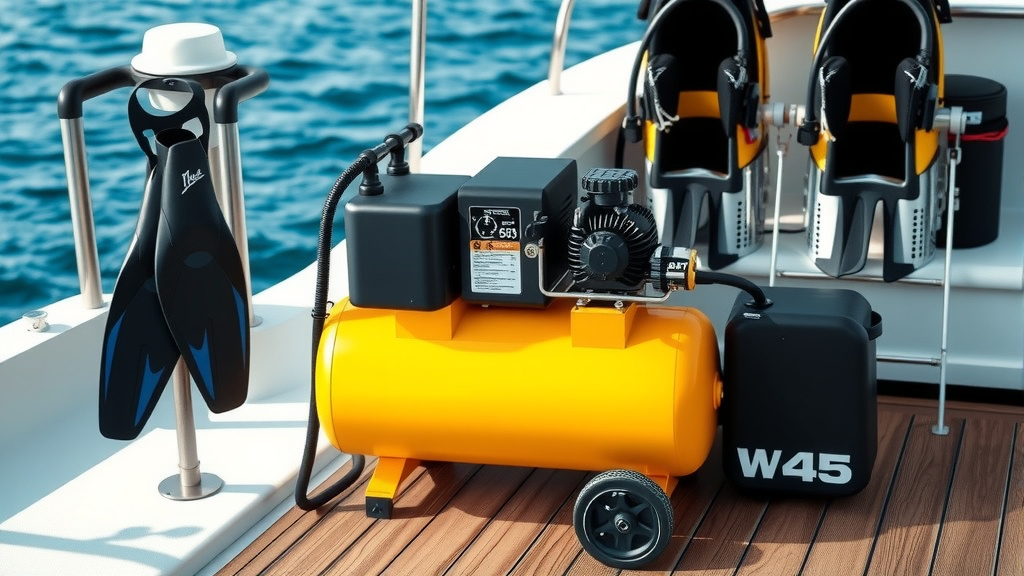
No, you absolutely cannot use a regular air compressor for diving. It is extremely dangerous and could lead to serious injury or even death due to impure air and inadequate pressure.
Using a regular air compressor for diving exposes you to harmful contaminants and lacks the specialized filtration and high-pressure capabilities required for safe underwater breathing.
Here’s the quick rundown if you’re short on time:
- Regular air compressors are not safe for diving due to lack of filtration and proper pressure.
- Diving air needs to be highly purified and at specific pressures for safety.
- Contaminants like oil, carbon monoxide, and moisture are common in regular compressor air.
- Always use equipment designed for diving, like certified scuba tanks or specialized hookah systems.
- Prioritize your safety and always consult with diving professionals for underwater activities.
Can You Use A Regular Air Compressor For Diving?
The straightforward answer is a firm no. You should never use a regular air compressor for diving because the air it produces is not safe for human consumption underwater.
It’s tempting to think that “air is air,” right? But when you’re underwater, the air you breathe needs to meet incredibly strict standards. Your life depends on it.
Why Standard Air Compressors Are a Big No-No
Imagine breathing air that tastes a bit like engine oil or feels damp. That’s often what you get from a regular compressor. These machines are built for tools, not lungs.
The air quality is the main problem. Diving air requires specialized purification and extremely high pressures. Standard compressors just don’t deliver that.
The Hidden Dangers of Contaminants
What exactly is wrong with the air? Well, several things we found can put you at extreme risk.
Many regular compressors use lubricating oil, and tiny oil particles can get mixed into the compressed air. Breathing oil into your lungs underwater is incredibly dangerous (Divers Alert Network).
Another silent killer is carbon monoxide (CO). If your compressor runs on gasoline or is near exhaust fumes, CO can get into the air supply. It’s odorless, tasteless, and deadly.
We also found that air from standard compressors often contains excess moisture. This can lead to equipment problems and even contribute to lung irritation under pressure.
Pressure Matters More Than You Think
Diving tanks hold air at very high pressures, typically around 2,000 to 3,000 PSI (pounds per square inch). A regular shop compressor, on the other hand, usually only goes up to 125-175 PSI.
Trying to fill a scuba tank with a regular compressor is like trying to fill a swimming pool with a garden hose – it’s simply not designed for the task. It won’t reach the required pressure.
Plus, a standard compressor isn’t built to withstand the stresses of high-pressure tank filling. It could fail dramatically, causing injury or property damage.
What Makes Diving Compressors Different?
Diving compressors are engineering marvels designed with one thing in mind: safety. They go above and beyond in terms of air purity and pressure capabilities.
These specialized machines have multiple stages of compression. They also include sophisticated filtration systems that strip out oil, moisture, and carbon monoxide. Many experts agree this is non-negotiable.
Filtration: The Invisible Lifeguard
Diving compressors use a multi-stage filtration process. This might include activated carbon, molecular sieves, and desiccants.
These filters work together to remove harmful particulates, odors, water vapor, and even trace amounts of CO. It’s like giving your air a spa treatment before you breathe it.
Quality Air is Tested Air
Air for diving tanks isn’t just filtered; it’s also regularly tested. Filling stations follow strict guidelines to ensure the air meets standards set by organizations like the Compressed Gas Association.
You can even request to see the air quality certificate at reputable dive shops. This offers peace of mind when you’re getting ready to explore the underwater world.
Comparing Regular vs. Diving Compressors
Let’s look at the key differences side-by-side. This should help clarify why one isn’t a substitute for the other.
| Feature | Regular Air Compressor | Diving Air Compressor |
|---|---|---|
| Typical Pressure (PSI) | 125-175 | 2,000-3,000+ |
| Air Quality/Filtration | Basic; often contains oil, moisture, CO | Multi-stage filtration; removes oil, moisture, CO |
| Purpose | Tools, tires, painting | Human breathing underwater |
| Cost | Lower | Much Higher |
| Safety Rating | Not for breathing | Life support grade |
What Are Your Safe Options for Breathing Underwater?
If you want to spend time underwater, you have safe, tried-and-true options. Never compromise on safety.
SCUBA Diving
This is the most common method. You use tanks filled with compressed breathing air from certified dive shops. Always get proper training and certification before scuba diving.
The equipment is designed for safety and reliability. Regular maintenance and inspections are key to keeping it that way.
Hookah Diving Systems
For shallow water activities, a hookah diving system can be a good choice. These systems use a surface-supplied air compressor to deliver air through long hoses to divers.
Important note: Even with hookah systems, you must use a compressor specifically designed for breathing air. It needs the correct filters and a food-grade air supply. Don’t grab a shop compressor for this!
Snorkeling and Free Diving
If you’re looking for simple underwater fun without tanks or hoses, snorkeling and free diving are excellent choices. You hold your breath and explore the surface or shallow depths.
These activities are naturally safer since you’re not relying on compressed air. Always dive with a buddy and within your limits.
Essential Safety Checklist Before Any Dive
Before you even think about getting in the water with an air supply, run through this quick checklist:
- Is your air source certified for human breathing?
- Has your equipment been recently inspected and serviced?
- Do you have proper training for your chosen activity?
- Are you diving with a buddy, or is someone supervising?
- Is your physical health suitable for diving today?
Don’t Take Chances with Your Life
It sounds dramatic, but diving with impure air is a matter of life and death. The risks of using a regular compressor are simply too high to consider.
Many guidelines point to using only certified breathing air from reputable sources (OSHA). This isn’t just a suggestion; it’s a critical safety rule.
Think of it like skydiving. Would you pack your own parachute using household materials? Of course not. Diving safety deserves the same level of respect and adherence to professional standards.
Conclusion
In summary, while a regular air compressor might seem like a convenient way to get air, it is profoundly unsuitable and unsafe for diving. The risks of contamination, insufficient pressure, and equipment failure are severe.
Always prioritize your safety and invest in proper, certified diving equipment and air sources. Your underwater adventures should be memorable for their beauty, not for a preventable accident. Dive safe, friends!
Can oil-free compressors be used for diving?
Even an “oil-free” regular compressor is not suitable for diving. While it addresses the oil contamination issue, it still lacks the necessary multi-stage filtration for moisture, carbon monoxide, and other particulates. Furthermore, it won’t achieve the high pressures required for filling scuba tanks safely.
What is “breathing air” standard for diving?
Breathing air for diving must meet strict international standards, such as those set by EN 12021 or the Compressed Gas Association (CGA). These standards define maximum allowable levels for carbon monoxide, carbon dioxide, oil vapor, water vapor, and particulates to ensure the air is safe for human consumption under pressure.
How do I know if a dive shop’s air is safe?
Reputable dive shops will display their air quality certificates, often showing the last test date and results. You can always ask to see this documentation. They should use properly maintained, high-pressure diving compressors with appropriate filtration and adhere to industry standards for air fills.
Are there any exceptions for very shallow water?
No, there are no exceptions. Even in very shallow water, breathing contaminated air or air from an uncertified compressor can pose significant health risks. The principles of safe breathing air quality remain the same regardless of depth when using compressed air. Always use equipment designed for breathing.
What are the symptoms of breathing bad air underwater?
Symptoms of breathing bad air can range from mild to severe. These include headaches, nausea, dizziness, shortness of breath, confusion, and even loss of consciousness. Carbon monoxide poisoning, in particular, can be subtle and disorienting, often leading to fatal consequences if not recognized immediately.
