Can You Use Copper Pipe For Air Compressor Lines?
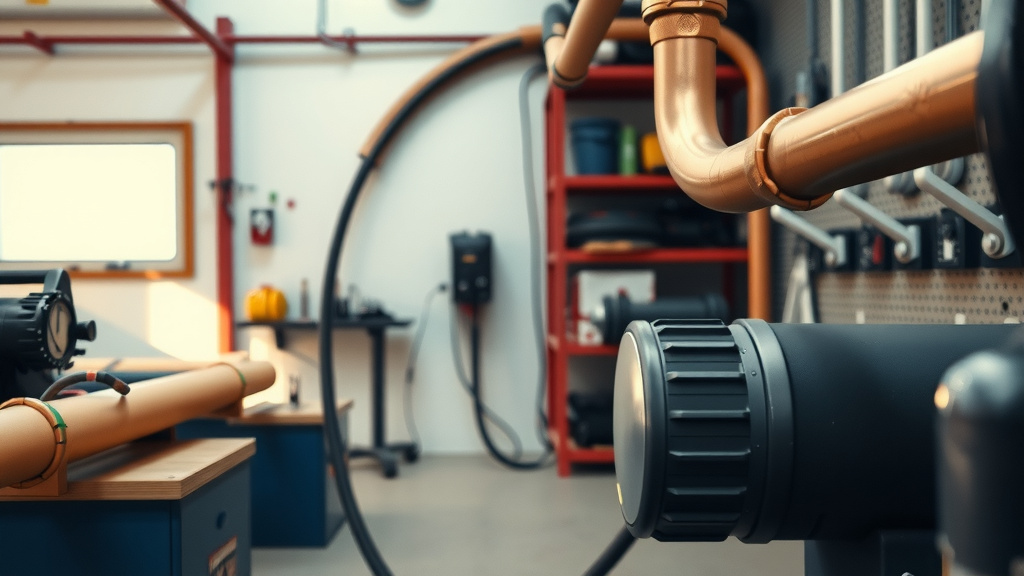
Yes, you can use copper pipe for air compressor lines, especially for smaller, low-pressure applications in workshops or garages.
Copper offers excellent corrosion resistance and is relatively easy to install, but consider its cost and suitability for high-vibration or very high-pressure systems.
- Copper piping is a good choice for smaller air compressor systems due to its corrosion resistance.
- It’s generally easy to work with and provides clean air flow.
- However, it can be more expensive than other options, especially for larger setups.
- Consider potential issues like vibration fatigue and lower pressure ratings compared to steel.
- Always choose the correct fittings and follow safety guidelines for a reliable system.
Can You Use Copper Pipe For Air Compressor Lines?
Yes, copper piping is a viable option for many air compressor setups. It provides a clean, corrosion-resistant path for your compressed air. Many users find it a good choice for smaller shops.
You’ll often see copper used in professional garages and industrial settings too. It offers a smooth internal surface that helps maintain air pressure and quality.
Why Choose Copper for Air Lines?
There are several reasons why copper might be a good fit for your air compressor system. It brings some notable benefits to the table.
Excellent Corrosion Resistance
Copper naturally resists rust and corrosion, which is a huge plus. Compressed air systems can have moisture, and rust inside pipes causes big problems. Research shows that copper’s properties keep your air cleaner (ASTM International).
Easy to Work With
Compared to some other metals, copper is quite forgiving. You can cut, bend, and solder it without needing super specialized tools. This makes installation a bit easier for DIY enthusiasts or small businesses.
Clean Air Delivery
Because it doesn’t rust, copper won’t shed tiny particles into your air stream. This is critical for tools that need exceptionally clean air, like paint guns or sensitive pneumatic equipment. Your finished work will look better.
Heat Dissipation
Copper is a good conductor of heat. This means it can help cool the compressed air as it travels through the lines. Cooler air contains less moisture, reducing condensation in your system. This makes your tools last longer.
Potential Downsides of Using Copper
While copper has its perks, it’s not without drawbacks. It’s smart to know these before you commit to a full copper system.
Higher Cost
Let’s be real, copper isn’t the cheapest piping material out there. For a small setup, the cost might be okay, but for a large shop, it can add up quickly. This is a common factor when comparing materials.
Vibration Concerns
Air compressors create vibrations, especially piston-driven models. Copper can be susceptible to vibration fatigue over time if not properly supported. This could lead to cracks and air leaks (National Institute of Standards and Technology).
Pressure Limitations
Depending on the copper type (K, L, M) and its wall thickness, copper has specific pressure ratings. While generally good, it might not always match the extreme pressures some industrial systems require. Always check the specific pipe’s rating.
Soldering Skills Needed
While easy to work with, proper soldering requires some skill. If not done correctly, your joints could leak air. Bad soldering can be a real headache later on. You need a clean, strong seal every time.
Copper vs. Other Air Line Materials
So, how does copper stack up against the competition? Let’s quickly look at a few other popular choices you might consider for your air compressor lines.
| Material | Pros | Cons |
|---|---|---|
| Copper | Corrosion-resistant, easy to work with, good for clean air. | Higher cost, susceptible to vibration, specific pressure limits. |
| PEX Tubing | Cost-effective, flexible, easy installation, corrosion-free. | Lower pressure rating, less rigid, not ideal for very high temperatures. |
| Aluminum | Lightweight, corrosion-resistant, easy to install, good flow. | Higher initial cost than PEX, can dent, specific fittings needed. |
| Black Iron | Very durable, high pressure rating, cost-effective for large runs. | Heavy, difficult to install, rusts internally, needs careful sealing. |
Installation Tips for Copper Air Lines
If you decide to go with copper, here are a few pointers to help your installation go smoothly. A little planning goes a long way.
Proper Pipe Sizing
Don’t skimp on pipe diameter. Undersized pipes restrict airflow and cause pressure drops. Many experts say to size up one step if you’re unsure (Compressed Air & Gas Institute). This ensures efficient operation.
Secure Supports
Remember those vibration concerns? Use plenty of pipe clamps and hangers to secure your copper lines. This prevents movement and reduces the risk of fatigue failures. Solid support is key to longevity.
Slope for Drainage
Always install your lines with a slight downward slope. This allows any condensation to drain towards a filter or trap. Gravity is your friend here, helping to keep water out of your tools.
Use the Right Fittings
For copper, you’ll typically use soldered or compression fittings. Make sure they are rated for compressed air use and match your pipe size. Never mix different metal fittings without proper dielectric unions, as this causes galvanic corrosion.
Safety First: What to Keep in Mind
Working with compressed air always requires caution. Safety should be your top priority, no matter the piping material.
- Always depressurize the system before working on lines.
- Wear appropriate personal protective equipment (PPE), like safety glasses.
- Ensure all connections are tight and leak-free to prevent hazards.
- Follow manufacturer guidelines for pipe and fitting pressure ratings.
- Install relief valves to prevent over-pressurization.
Maintenance for Copper Air Systems
Copper lines need some attention to keep them running well. Regular checks will save you headaches and expense down the line.
Check for Leaks Regularly
Air leaks waste energy and reduce system efficiency. Use a soapy water solution to spray all joints and listen for hissing. Early leak detection is crucial for saving money.
Inspect for Damage
Periodically look for dents, kinks, or signs of fatigue. Especially where pipes might be bumped or experience vibration. Addressing minor issues quickly can prevent major failures.
Drain Condensate Traps
If you have moisture traps in your system, drain them often. Copper resists corrosion, but water can still cause problems in tools. A dry system is a happy, long-lasting system.
Making Your Final Decision
Before you commit, take a moment to weigh all your options. Think about your specific needs, budget, and skill level.
Consider Your Compressor Size
For small, intermittent use compressors, copper is often a fine choice. For large, continuous-duty industrial compressors, other materials might be more robust or economical.
Assess Your Budget
If cost is a major factor, PEX or even black iron might be worth a look. If longevity and clean air are paramount, copper often shines. Your wallet will help guide you.
Think About Future Needs
Are you planning to expand your shop or increase air demand? This might affect your piping material choice. It’s always good to plan a bit ahead to avoid future rework.
Conclusion
Copper piping definitely has a place in the world of air compressor lines. It offers solid benefits like corrosion resistance and easy handling, making it a good fit for many workshops. Just remember to consider its cost and suitability for high-vibration environments.
By understanding both its strengths and weaknesses, you can make an informed choice. Weigh your options, prioritize safety, and ensure your system is properly installed and maintained. Your tools and your work will thank you for it!
Frequently Asked Questions
Can copper pipes handle high-pressure air from industrial compressors?
While copper can handle various pressures, heavy-duty industrial compressors often operate at very high pressures that may exceed standard copper pipe ratings. For such applications, schedule 40 steel or aluminum piping systems are typically preferred due to their superior pressure capabilities and rigidity.
Is soldering the only way to join copper air lines?
No, soldering is a common method, but you can also use compression fittings for copper air lines. Compression fittings offer a solder-free connection, making installation easier for some users. However, soldered joints are generally considered more permanent and less prone to leaks over long periods.
How does copper compare to PVC for air compressor lines?
Copper is far superior and safer than PVC for air compressor lines. PVC pipe is brittle and can shatter explosively under compressed air pressure, posing a significant safety hazard. Experts strongly advise against using PVC for compressed air applications (Occupational Safety and Health Administration).
Do I need to clean copper pipes before installation?
Yes, it’s a good practice to clean copper pipes internally before installation. This helps remove any manufacturing residue, dust, or debris that could contaminate your compressed air system. You can use a pipe brush and clean rag, ensuring they are completely dry before assembly.
Can I combine copper with other piping materials in my air system?
Yes, you can combine copper with other piping materials, but it requires careful consideration. When connecting different metals, like copper to steel, you should use dielectric unions to prevent galvanic corrosion. This reaction can weaken joints and lead to leaks over time, so it’s a vital step for system longevity.