What To Use For Air Compressor Lines?
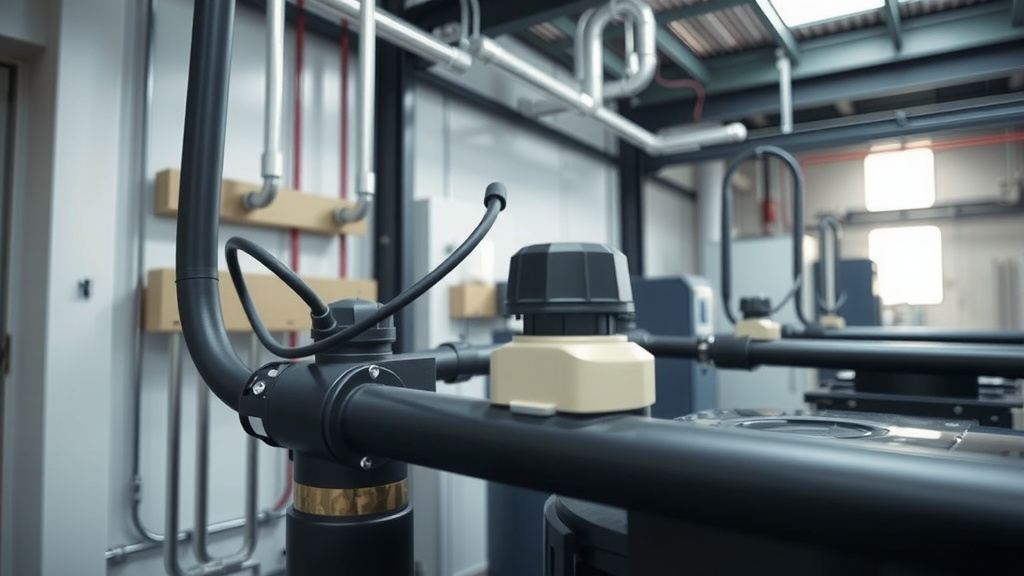
For air compressor lines, the best materials are often robust options like copper, black iron, or specialized aluminum. These choices offer superior durability and safety compared to standard water piping.
Polyurethane or rubber hoses are also excellent for flexible connections, ensuring your compressed air system operates safely and efficiently. Selecting the right line material is key to a reliable setup.
Here’s a quick rundown of the best choices for your air compressor lines:
- Copper piping offers excellent corrosion resistance and durability for fixed installations.
- Black iron pipe is a strong, traditional option, especially for industrial settings.
- Aluminum piping systems provide a lightweight, corrosion-free, and easy-to-install solution.
- Polyurethane or rubber hoses are perfect for flexible connections, tool hook-ups, and portable uses.
- Never use PVC pipe for compressed air due to significant safety risks.
What To Use For Air Compressor Lines?
When setting up your air compressor system, selecting the right piping material is absolutely essential for safety and performance. You want lines that can handle the pressure and last for years without issues.
Choosing incorrectly can lead to dangerous failures, costly leaks, and even system damage. We are here to guide you through the best options available.
Why Your Choice of Air Line Material Matters
Imagine your air compressor as the heart of your workshop. The lines are its arteries, carrying vital air pressure. If these lines are weak or improperly chosen, your entire system suffers.
The right material protects against pressure drops, corrosion, and catastrophic ruptures. It ensures your tools get the consistent air supply they need.
Exploring Common Air Line Materials
You have a few solid contenders when it comes to air compressor lines. Each has its own strengths and ideal uses. Let’s look at what works best.
Copper Piping: A Solid Performer
Copper is a popular choice for many professionals and home workshops. It resists corrosion extremely well and offers excellent durability. Installation can be a bit more involved, requiring soldering or compression fittings.
Many experts say copper creates a very clean and efficient air distribution system. Its smooth interior helps maintain consistent airflow.
Steel Piping Options: Strength and Longevity
Steel piping, specifically black iron pipe, has been a traditional standard for generations. It’s incredibly strong and can withstand high pressures. However, black iron is prone to rust without proper treatment, especially with moisture in the air.
Galvanized steel is another option, coated to prevent rust, but its internal coating can flake over time, potentially damaging tools. We found that aluminum piping systems are a modern alternative, offering similar strength without the rust issues of steel (National Air Compressors Association).
PVC: A Dangerous Temptation
Many people wonder if they can use PVC pipe for air compressor lines. The short answer is a resounding “no.” PVC is designed for water, not pressurized air.
When PVC pipe fails under compressed air pressure, it doesn’t just crack. It can shatter into dangerous, sharp shrapnel, creating a serious safety hazard (Occupational Safety and Health Administration).
Flexible Hoses: Essential for Tool Connections
While rigid piping is great for main runs, you will always need flexible hoses. These are crucial for connecting your tools to the main air supply.
- Polyurethane hoses are lightweight, flexible, and resistant to kinking. They are a fantastic choice for general workshop use.
- Rubber hoses offer great durability and are more robust in demanding environments. They tend to be heavier but last a long time.
- Hybrid hoses combine the best of both, offering flexibility with added strength.
Always choose hoses with an appropriate pressure rating for your compressor. A hose bursting under pressure is not fun.
Comparing Air Line Materials
Let’s look at how some of these materials stack up, helping you make an informed decision.
| Material | Pros | Cons |
|---|---|---|
| Copper | Corrosion resistant, durable, clean air. | Higher cost, requires soldering. |
| Black Iron | Very strong, high pressure rating, traditional. | Rusts without treatment, heavy, threading. |
| Aluminum | Lightweight, corrosion-free, easy installation. | Higher initial cost than some steel. |
| Polyurethane Hose | Flexible, lightweight, good for tools. | Lower maximum pressure than rigid pipe. |
Beyond Material: Key Considerations for Your Air Lines
Choosing the right material is just the first step. You also need to think about pressure, size, and how you will install everything.
Matching Pressure Rating to Your Compressor
Every pipe or hose has a maximum pressure rating. It’s critical that your lines can safely handle your compressor’s maximum output. Many guidelines point to selecting lines with a safety factor, meaning their rating should be well above your working pressure (Compressed Air Best Practices Magazine).
Diameter Matters for Optimal Airflow
Too small a diameter, and you’ll experience significant pressure drops. This means less power at your tools and a less efficient system. Think about the total length of your runs and the tools you’ll be using.
A larger diameter ensures your tools receive the air they need. Don’t skimp on this aspect for your air compressor lines.
Proper Installation for a Leak-Free System
Even the best materials won’t perform well with poor installation. Leaks are air compressor killers, wasting energy and reducing efficiency. Use proper fittings and sealants to ensure every connection is airtight.
Here’s a quick checklist for robust installation:
- Use appropriate thread sealant or PTFE tape.
- Ensure all fittings are tightened to specification.
- Support long runs of piping adequately.
- Install drip legs and air dryers to manage moisture.
- Test your system for leaks before full operation.
Managing Moisture in Your Air Lines
Compressed air contains moisture, which can cause rust in metal pipes and damage tools. Incorporating air dryers and filters is a smart move. These components protect your entire system and prolong tool life.
A well-planned system includes ways to drain condensed water regularly. Don’t let moisture compromise your air compressor lines.
Safety First!
Working with compressed air always requires caution. Always wear safety glasses when working with air tools and lines. Double-check all connections before charging the system. If you’re unsure, it’s always best to consult a professional.
Your safety and the safety of those around you are paramount. Never compromise on safety when setting up or using your air compressor lines.
Conclusion
Choosing the right air compressor lines is a fundamental decision for any workshop or industrial setting. Opting for materials like copper, black iron, or aluminum for rigid runs, and polyurethane or rubber for flexible connections, will lead to a safe, efficient, and durable system. Remember to prioritize safety above all else, and always avoid using PVC pipe. With careful planning and attention to detail, you can create an air system that serves you well for many years.
What is the most common material used for air compressor lines?
For permanent installations, black iron pipe and copper are very common due to their strength and durability. In modern setups, aluminum piping systems are gaining popularity for their corrosion resistance and ease of installation. Flexible polyurethane and rubber hoses are universally used for connecting tools.
Can I mix different types of materials for my air lines?
Yes, you can often mix materials, especially by using flexible hoses to connect to rigid piping. For instance, you might have a main run of aluminum or copper pipe, then branch off with rubber or polyurethane hoses to reach your tools. Just ensure all connections are properly sealed and rated for the pressure.
How do I prevent rust and moisture in my air compressor lines?
To combat rust and moisture, consider installing an air dryer, such as a refrigerated or desiccant dryer, immediately after your compressor. Also, incorporating moisture traps (drip legs) at low points in your piping system and regularly draining them will help collect condensation before it reaches your tools.
Is there a specific fitting type I should use for air lines?
Threaded NPT (National Pipe Taper) fittings are very common for rigid pipe systems. For flexible hoses, quick-connect couplers and plugs are popular for convenience. Always use fittings that match your pipe or hose material and are rated for the same or higher pressure as your air compressor system.
What are the signs that my air compressor lines need to be replaced?
Signs your lines need replacing include visible cracks, corrosion, consistent air leaks even after tightening connections, or a noticeable drop in air pressure at your tools. For flexible hoses, look for fraying, bulges, or hardening of the material. Addressing these issues promptly prevents larger problems and maintains safety.
