
What Does Oil Free Air Compressor Mean?
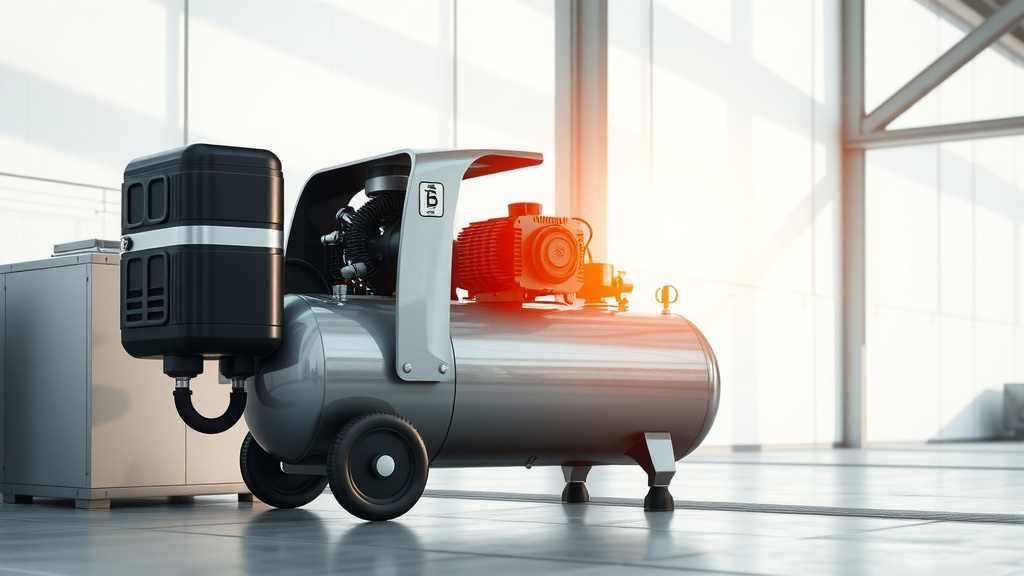
An oil free air compressor operates without any oil in its compression chamber, preventing contamination of the compressed air itself.
This design ensures the air delivered is pure and free from lubricants, making it ideal for applications where even tiny traces of oil are unacceptable.
- An oil-free air compressor delivers clean, uncontaminated air by avoiding lubrication in the compression area.
- You’ll often find these compressors in medical, food, and electronics industries where air purity is paramount.
- They generally offer lower maintenance requirements and a reduced environmental footprint due to no oil disposal.
- While typically a higher upfront cost, the operational savings and product protection can be significant.
- The “oil-free” designation means no oil contacts the air you use, even if some models still use oil for other mechanical parts.
What Does Oil Free Air Compressor Mean?
An oil free air compressor means that no oil is used to lubricate the compression components, ensuring the outgoing air remains completely free of oil particles.
This design is vital for applications demanding the highest air quality, where even minimal oil contamination is unacceptable.
The Core Idea: No Oil in the Compression Chamber
When you hear “oil free,” it specifically points to the compression process itself.
Standard compressors use oil to lubricate moving parts and seal the compression chamber. Oil-free models, however, achieve compression without any oil coming into contact with the air you’re generating.
Think of it as the air passing through a completely dry pathway. This is a big difference for many industries.
Why Go Oil-Free? Understanding the Benefits
Choosing an oil-free compressor often comes down to specific requirements for air purity.
Many businesses find the benefits quickly outweigh the initial investment. Let’s explore why you might consider this option.
Purer Air for Sensitive Applications
Perhaps the most compelling reason is the guarantee of contaminant-free air.
Industries like food and beverage production, pharmaceuticals, and electronics manufacturing cannot risk even a tiny drop of oil.
Research confirms that oil contamination can ruin products, lead to costly recalls, or compromise patient safety in medical settings (ISO 8573-1 standards discuss air purity levels).
Reduced Maintenance Headaches
Without oil in the compression process, you eliminate the need for regular oil changes and oil filter replacements.
This translates to less routine maintenance and fewer consumables over time. It can save your team significant hours and material costs.
Environmental Friendliness
Disposing of used compressor oil can be an environmental concern and often requires special handling procedures.
An oil-free system removes this worry. We found that it significantly reduces your environmental footprint and compliance efforts.
How an Oil-Free Compressor Achieves “No Oil”
So, how do these compressors work without oil? It’s all about clever engineering and material science.
The methods vary, but the goal is always to create compression without liquid lubricants touching the air.
It’s All About the Coating
Many smaller oil-free piston or scroll compressors use materials with a low friction coefficient.
Components might be coated with substances like PTFE (polytetrafluoroethylene), which acts as a dry lubricant. This allows parts to move smoothly without oil.
The Role of Water (Sometimes!)
For larger industrial applications, especially with rotary screw compressors, some designs use water instead of oil.
These are called water-injected or water-lubricated compressors. The water lubricates, cools, and seals, all while being easily separated from the compressed air for maximum purity.
When Is an Oil-Free Compressor Your Best Bet?
You might be asking, “Is an oil-free compressor right for my needs?”
It depends entirely on your application and what level of air purity is non-negotiable.
- Medical & Dental: For patient care devices or surgical tools, purity is paramount.
- Food & Beverage: Preventing contamination during processing or packaging is critical.
- Electronics Manufacturing: To protect sensitive components from even microscopic oil residue.
- Pharmaceuticals: Air used in drug production must be incredibly clean.
- Laboratory Use: For scientific instruments and controlled environments.
Oil-Free vs. Oil-Lubricated: A Quick Comparison
Let’s look at the key differences to help you weigh your options. This table summarizes important factors for your decision.
| Feature | Oil-Free Compressor | Oil-Lubricated Compressor |
|---|---|---|
| Air Purity | Highest (no oil in air stream) | Requires filters to remove oil (not 100% oil-free) |
| Maintenance | Lower (no oil changes/filters) | Higher (regular oil changes, filter replacement) |
| Upfront Cost | Generally higher | Generally lower |
| Noise Level | Can be louder in some designs | Often quieter due to oil dampening |
| Operating Temperature | Can run hotter | Oil helps with cooling |
Is “Oil-Free” Truly Oil-Free? A Little Nuance
This is a fair question! When we say “oil-free compressor,” it means the air you use is free of oil.
However, some designs might still use oil in a separate gearbox for mechanical lubrication. This oil is sealed off and never touches the compressed air stream.
The “oil-free” label refers specifically to the absence of oil in the compression chamber itself.
Not All Oil-Free Are Created Equal
Even within the oil-free category, there are different levels of air purity.
Experts refer to ISO 8573-1 air quality classes. A Class 0 compressor, for instance, offers the highest possible air purity, certifying absolutely no added oil vapor.
Always check the ISO class if your application demands extreme purity.
Potential Downsides to Consider
While the benefits are significant, it’s honest to look at the other side of the coin.
Oil-free compressors can sometimes have a higher upfront cost compared to their lubricated counterparts.
Some models might also run a bit louder or have a slightly shorter lifespan due to the lack of oil cooling and lubrication in the compression chamber. We found that advances in technology are closing these gaps.
Getting the Most From Your Oil-Free Compressor
Once you’ve made the investment, you want to ensure it serves you well for years.
Proper care and attention will maximize its lifespan and efficiency.
- Regular Filter Checks: Keep inlet air filters clean to protect internal components.
- Monitor Operating Conditions: Ensure it runs within recommended temperature and humidity ranges.
- Drain Condensate Regularly: Water buildup can cause issues, especially in water-lubricated models.
- Schedule Professional Inspections: Even with less maintenance, periodic checks are key.
- Follow Manufacturer Guidelines: The manual is your best friend for specific care instructions.
Conclusion
Understanding “what does oil free air compressor mean?” is about recognizing a commitment to pristine air quality.
For operations where even the slightest oil contamination is a non-starter – think medical facilities, food processing, or delicate electronics – these compressors are not just an option, but a necessity.
While they might come with a higher initial price tag, the long-term benefits of reduced maintenance, environmental advantages, and guaranteed product integrity often make them an invaluable asset.
Ultimately, choosing an oil-free air compressor is a strategic decision for those who prioritize uncompromised air purity and operational excellence.
How do oil-free compressors prevent oil from entering the air stream?
Oil-free compressors use special materials and designs, such as PTFE coatings on pistons or scrolls, or water as a lubricant in larger rotary screw models. These methods ensure that no oil is present in the compression chamber itself, thus preventing contamination of the compressed air.
Are oil-free air compressors more expensive to run?
While the upfront cost of an oil-free compressor can be higher, they often lead to lower operational costs over time. This is because you save on regular oil changes, oil filter replacements, and the potential costs associated with product spoilage from oil contamination. Many experts agree that the total cost of ownership can be competitive.
Can I use an oil-free air compressor for everyday garage tasks?
Yes, you certainly can! While designed for critical industries, smaller oil-free compressors are also popular for garage tasks like tire inflation, nailing, or painting. They deliver clean air, which is great for painting, and often come in quieter, more portable versions. However, for basic tasks where air purity isn’t critical, an oil-lubricated compressor might be a more budget-friendly initial choice.
What is an ISO Class 0 oil-free air compressor?
ISO Class 0 is the highest standard for air purity in compressed air systems (ISO 8573-1). It certifies that the compressed air is 100% free of oil, including oil aerosols and vapor. This class is essential for the most demanding applications where even trace amounts of oil can cause catastrophic issues.
Do oil-free compressors last as long as oil-lubricated ones?
Historically, some oil-free compressors had a slightly shorter lifespan due to increased wear from the lack of traditional lubrication and cooling. However, with advances in material science and design, modern oil-free compressors are built to be very durable. Many manufacturers now offer models with comparable lifespans to their oil-lubricated counterparts, especially with proper maintenance.
