
What To Look For In An Air Compressor?
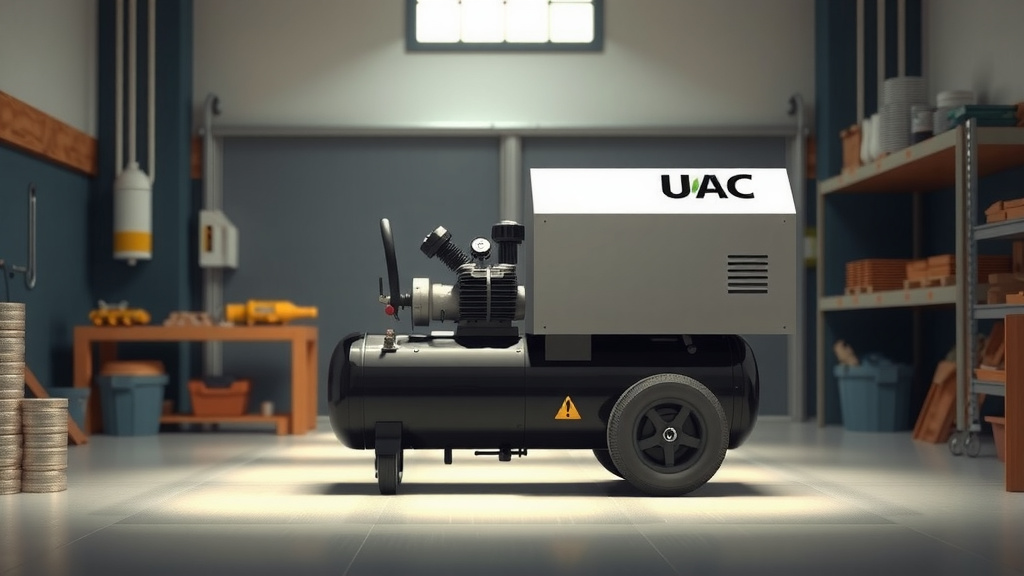
When looking for an air compressor, focus on its air delivery (CFM), pressure (PSI), tank size, and power source to match your specific tools and projects.
The best air compressor for you will balance these key specifications with portability, noise level, and durability, ensuring it meets your needs without overspending.
Here’s a quick overview of what to look for when buying an air compressor:
- Match CFM and PSI to your tools for peak performance.
- Choose tank size based on how long you need continuous air.
- Decide between electric for indoor use or gas for mobility.
- Consider noise levels if working in sensitive environments.
- Don’t forget the budget, but prioritize quality for longevity.
What To Look For In An Air Compressor?
Choosing an air compressor can feel like a big decision, can’t it? You want something reliable that truly works for you. The right air compressor is like a good partner for your tools, delivering consistent power. The wrong one can be a frustrating waste of time and money.
Why Even Think About An Air Compressor?
You might be wondering if you really need one. Air compressors are incredibly versatile, powering everything from nail guns to paint sprayers. Think about pumping up tires, cleaning dusty workshops, or even powering heavy-duty impact wrenches for automotive work. What kinds of projects do you have in mind?
Getting Started: Key Specifications
When you’re looking at air compressors, you’ll see some numbers pop up often: PSI and CFM. These aren’t just technical terms; they tell you exactly what the machine can do. Understanding them is your first step to a smart purchase.
Understanding PSI and CFM
PSI, or Pounds per Square Inch, tells you the maximum pressure the compressor can deliver. Most small tools need around 90 PSI to work correctly. CFM, which stands for Cubic Feet per Minute, measures how much air volume the compressor can produce. This is often the more critical number. If your tool needs 5 CFM at 90 PSI, your compressor must meet or exceed that. Many experts suggest adding about 20% to your tool’s CFM requirement to allow for fluctuations and compressor efficiency.
Tank Size Matters
The tank on an air compressor holds compressed air. A larger tank means you get longer bursts of air before the motor kicks in again. For intermittent tasks, a smaller tank might be fine. But for continuous jobs like painting or grinding, a bigger tank means fewer interruptions and less motor wear. Think about how long your tools will run without stopping.
Power Source: Electric vs. Gas
Where will you be using your air compressor? This question often leads you to the power source. Electric compressors are great for indoor use and don’t produce fumes. Gas-powered units offer maximum portability and power for outdoor or remote jobs.
| Feature | Electric Air Compressor | Gas Air Compressor |
|---|---|---|
| Portability | Limited by cord length | Highly portable, no power outlet needed |
| Environment | Indoor use friendly, no fumes | Outdoor use only due to exhaust |
| Maintenance | Generally lower, less frequent | Requires engine maintenance (oil changes, etc.) |
| Noise Level | Often quieter (especially oil-free) | Louder operation |
Portability: Stationary or Portable?
Will your compressor live in one spot in your garage, or do you need to move it around? Portable compressors have wheels and handles, making them easy to transport. Stationary models are usually larger and heavier, fixed in place, and often offer more power and tank capacity. Consider your workspace and how often you’ll need to move it.
Noise Levels: Keep It Quiet
Some air compressors can be surprisingly loud. If you’re working in a residential area, a shared workshop, or simply prefer a quieter environment, look for models advertised as “quiet” or “low noise.” Many newer oil-free models are designed to run much more quietly, which can make a big difference for your ears and your neighbors’ peace of mind (National Institute for Occupational Safety and Health, NIOSH, often discusses noise control).
Duty Cycle and Durability
The duty cycle tells you how long a compressor can run before needing a break. For example, a 50% duty cycle means it can run for 30 minutes out of every hour. Commercial-grade compressors are built for longer, tougher use and generally have a better duty cycle and overall durability. We found that investing a little more upfront often saves you money on repairs and replacements down the road.
Compressor Type: Piston vs. Rotary Screw
Air compressors come in different fundamental types. The two most common for general use are piston (reciprocating) and rotary screw. Your choice depends a lot on the intensity and duration of your work.
Piston Compressors: Common and Versatile
Piston compressors are what most people picture. They use a piston to compress air. They are great for intermittent use and come in both single-stage and two-stage versions. Single-stage is fine for most home users, while two-stage offers higher pressure and efficiency for more demanding tasks.
Rotary Screw Compressors: Industrial Workhorses
Rotary screw compressors use two helical rotors to compress air. These are designed for continuous, heavy-duty applications, like in manufacturing plants. They are more efficient, quieter, and have a longer lifespan under constant load. If you’re running air tools all day, every day, a rotary screw might be your match, though they come with a higher price tag.
Maintenance & Lifespan
Like any machine, air compressors need some care. Oil-lubricated compressors require regular oil changes, while oil-free models often demand less maintenance. However, oil-free compressors can sometimes be louder and have a slightly shorter lifespan. Always check the manufacturer’s recommendations for maintenance to ensure a long and healthy lifespan for your unit.
Your Budget: Finding the Sweet Spot
Price is always a factor, right? Air compressors range widely in cost. It’s tempting to go for the cheapest option, but remember the saying, “buy cheap, buy twice.” For essential tools, experts often advise balancing your budget with the quality and features you truly need. A mid-range compressor often hits the sweet spot between affordability and reliable performance.
Accessories and Features to Consider
Beyond the core unit, some accessories can greatly improve your experience:
- Air Regulators: Essential for controlling the air pressure to your tools.
- Filters: Help remove moisture and debris from the air, protecting your tools.
- Hoses: Quality hoses are flexible, durable, and critical for reach.
- Quick-Connect Couplers: Make switching tools fast and easy.
- Thermal Overload Protection: A safety feature that prevents motor burnout.
Making the Right Choice: A Quick Checklist
To help you decide, here’s a quick checklist to run through:
- Does the CFM meet my tools’ requirements (plus 20%)?
- Is the PSI sufficient for all my planned tasks?
- Is the tank size appropriate for my typical usage duration?
- Do I need electric for indoor work or gas for portability?
- Is the noise level acceptable for my working environment?
- Is the compressor type (piston, rotary screw) suitable for my usage frequency?
Conclusion
Choosing the right air compressor doesn’t have to be overwhelming. By focusing on your specific needs, understanding the key specifications like CFM and PSI, and considering factors like noise and portability, you can make a confident decision. Remember, this isn’t just about buying a machine; it’s about investing in a versatile tool that will power your projects for years to come. Take your time, weigh your options, and you’ll find the perfect air compressor to join your workshop.
What is the most important factor when buying an air compressor?
The most important factor is matching the air compressor’s CFM (Cubic Feet per Minute) output at a specific PSI (Pounds per Square Inch) to the requirements of your most demanding air tool. If the compressor cannot supply enough air volume at the required pressure, your tools won’t perform correctly.
Do I need an oil-lubricated or oil-free air compressor?
Oil-lubricated compressors are generally more durable, quieter, and have a longer lifespan, but they require regular oil changes. Oil-free compressors need less maintenance, are often lighter, and produce oil-free air (which is critical for painting or certain medical uses), but they can be louder and might not last as long.
How big of an air compressor do I need for a nail gun?
For most nail guns (framing, finish, or brad nailers), a small air compressor with a tank size of 2-6 gallons and a CFM of around 2-4 at 90 PSI is usually sufficient. Nail guns use air intermittently, so a large tank isn’t strictly necessary.
Can I use an air compressor for painting?
Yes, you can use an air compressor for painting, but it requires specific considerations. You’ll need a compressor that can maintain a consistent CFM and PSI for extended periods, usually a minimum of 8-10 CFM at 40-90 PSI for most paint sprayers. Also, you will likely need air filters and dryers to prevent moisture and oil from contaminating your paint.
What safety features should I look for in an air compressor?
Look for safety features such as thermal overload protection (to prevent the motor from overheating), a safety relief valve (to release excessive tank pressure), and sturdy wheel brakes on portable models. A well-designed guard around moving parts is also important for user safety.
