
Do You Need An Air Compressor For A Plasma Cutter?
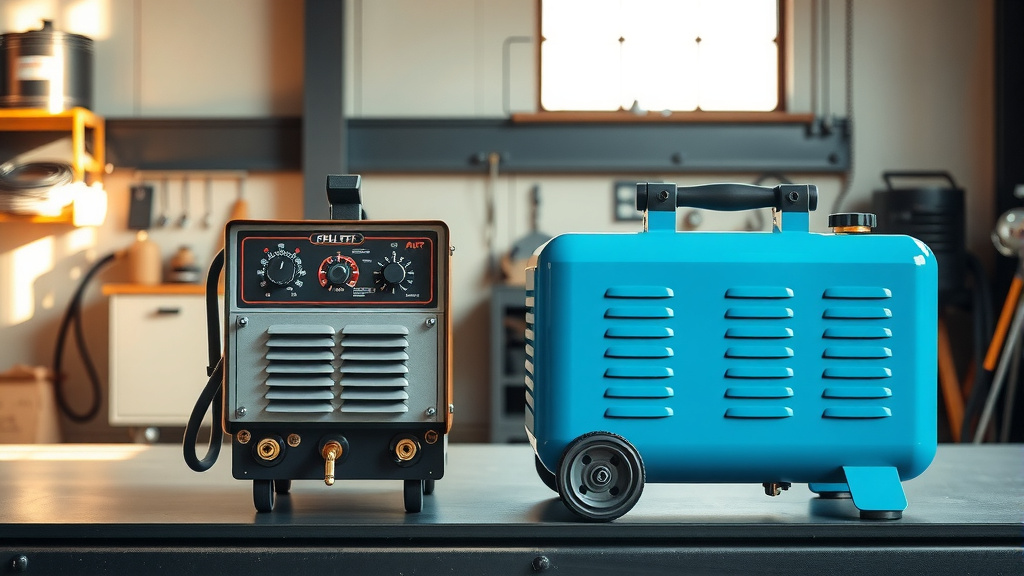
Yes, you absolutely need an air compressor for a plasma cutter to operate effectively and efficiently.
A plasma cutter relies on a consistent flow of compressed air, not only to create the plasma arc but also to clear away molten metal during the cutting process.
- You will almost always need an air compressor to run a plasma cutter.
- The compressor provides the essential air pressure for the plasma cutting arc.
- Choosing the right compressor involves matching its CFM and PSI output to your cutter’s needs.
- Clean, dry air is vital for extending the lifespan of your plasma cutter consumables.
- Portable or industrial plasma cutters each have specific compressor requirements to consider.
Thinking about diving into the world of plasma cutting? You are in for a treat! It is an amazing way to cut metal with precision and speed. But before you get started, a common question pops up: do you really need an air compressor for your plasma cutter? Let us be clear right away: the answer for almost every scenario is a resounding yes.
Imagine trying to light a fire without oxygen. It just will not work, right? In a similar way, a plasma cutter needs compressed air to perform its magic. This article will walk you through exactly why an air compressor is so important. We will also help you understand how to pick the perfect one for your specific needs.
Do You Need An Air Compressor For A Plasma Cutter?
Yes, nearly all plasma cutters require an external air compressor to generate the high-velocity air stream necessary for their operation.
Without a reliable source of compressed air, your plasma cutter simply will not be able to cut effectively, if at all.
Why Compressed Air Is So Important
The core of plasma cutting involves creating an electrically charged gas. This gas, or plasma, gets hot enough to melt through metal. That “gas” usually comes from compressed air. It is more than just pushing air; it is about creating a superheated stream. This stream melts the metal and then blasts it away.
More Than Just Air: The Plasma Arc
When you trigger your plasma cutter, the compressed air is forced through a small nozzle. An electrical arc then jumps through this air. This causes the air to become superheated and ionized, turning it into plasma. This plasma stream is what cuts through your metal. It is like a tiny, focused lightning bolt.
Many experts say that without sufficient air pressure, the plasma arc cannot form correctly. The arc might be weak, inconsistent, or not even ignite at all. This means no cutting for you (Fabrication Institute).
What Happens Without Enough Air?
Picture this: you are ready to make a perfect cut, you pull the trigger, and nothing happens. Or worse, you get a weak, sputtering arc that leaves a messy, incomplete cut. That is what happens without enough air. Your cutter might struggle to pierce the metal. It could leave behind excessive dross, which is solidified waste metal.
You might also notice your consumables (like the electrode and nozzle) wearing out much faster. These parts are designed to work under specific conditions. When air pressure is low or inconsistent, they take a beating. This means more frequent replacements and higher operating costs. No one wants that!
Choosing The Right Air Compressor For Your Plasma Cutter
So, you know you need an air compressor. But not just any compressor will do. Choosing the right one is like picking the right size shoe. It needs to fit just right. The wrong fit can cause discomfort and poor performance. This section will help you understand what to look for.
Key Compressor Specifications to Watch For
There are a few numbers you will see when looking at air compressors. These numbers are really important. They tell you if the compressor can keep up with your plasma cutter. Let us break them down.
CFM (Cubic Feet Per Minute) Requirements
CFM stands for Cubic Feet Per Minute. This tells you how much air volume the compressor can deliver. Your plasma cutter will have a specific CFM requirement. You will find this in its manual. For example, a small plasma cutter might need 4 CFM at 90 PSI. A larger industrial unit might need 8 CFM or more. Always match or exceed your plasma cutter’s CFM needs. It is better to have a little extra than not enough.
PSI (Pounds Per Square Inch) Needs
PSI stands for Pounds Per Square Inch. This is the air pressure. Most plasma cutters operate around 60 to 90 PSI. Your compressor needs to be able to supply this pressure consistently. While CFM is about volume, PSI is about the force of the air. Both are critical for a strong, stable plasma arc.
Tank Size: A Crucial Consideration
The tank on an air compressor stores compressed air. A larger tank provides a buffer. This means the compressor motor does not have to run constantly to keep up. For plasma cutting, where you often need a continuous flow, a bigger tank can be very helpful. It allows for longer, uninterrupted cuts without the motor cycling on and off. Many welders find that a 20-gallon tank is a good starting point for hobby plasma cutting, while professionals often go much larger (Welding Society).
The Importance of Clean, Dry Air
This point cannot be stressed enough. Plasma cutters are sensitive. Moisture and oil in the air are their enemies. They can contaminate your consumables. This leads to poor cut quality and reduced lifespan. Think of it like putting dirty fuel in a performance car. It will not run well, and parts will wear out fast.
- Moisture in the air can cause unstable arcs.
- It can also lead to rust inside your plasma cutter components.
- Oil from an oil-lubricated compressor can coat electrodes.
- Contaminants degrade cut quality, leaving rough edges.
- Investing in a good air dryer and filter is a smart move.
Air Compressor Types: Which One Works Best?
When you start looking, you will see different types of compressors. They all do the same basic job, but they do it in different ways. Understanding these types helps you make a better choice for your plasma cutter.
Piston Compressors vs. Rotary Screw
Piston compressors are the most common type for home shops. They use pistons to compress air. They are often more affordable. However, they can be noisier and produce more heat. They also tend to introduce more moisture into the air. This makes an air dryer even more important.
Rotary screw compressors are usually found in industrial settings. They are quieter, more efficient, and produce less moisture. They can also run continuously for much longer periods. For serious, continuous plasma cutting, a rotary screw compressor is often the ideal choice, if your budget allows it.
What About Portability?
Do you need to move your plasma cutter around? Then a portable air compressor might seem appealing. Many portable units are fine for very small, light-duty plasma cutters. However, they often have smaller tanks and lower CFM. Make sure to check the specs carefully. You might find a larger, wheeled piston compressor offers a good balance of portability and power.
Setting Up Your Air System for Success
Having the right compressor is just one piece of the puzzle. How you set it up matters, too. A well-designed air system will give you the best performance from your plasma cutter. It will also help your equipment last longer.
Essential Accessories You Will Need
To ensure your plasma cutter gets the clean, dry air it needs, you will want a few key accessories:
| Accessory | Why You Need It |
|---|---|
| Air Filter | Removes solid particles and some oil from the air. |
| Air Dryer | Crucial for removing moisture, especially in humid climates. |
| Regulator | Controls the exact PSI delivered to your plasma cutter. |
| Hoses & Fittings | Connects everything; ensure they are rated for appropriate pressure. |
Many experts we found suggest investing in a good quality filter and dryer. They can save you a lot of headache and money on consumables in the long run.
When Can You Skip the Compressor?
Are there any plasma cutters that do not need an air compressor? Very, very few. These are typically extremely small, specialized units that might use a self-contained fan or a small internal pump. They are usually for incredibly light-duty tasks, like thin sheet metal. For almost all practical metal cutting, expect to connect an external air compressor.
Here is a quick checklist before you buy your compressor:
- Check your plasma cutter’s CFM and PSI requirements.
- Consider your typical cutting thickness and duration.
- Factor in space and noise levels of the compressor.
- Budget for essential air filtration and drying accessories.
- Think about future needs for other air tools you might own.
Conclusion
To sum it up, if you are planning to use a plasma cutter, you absolutely need an air compressor. It is not an optional extra; it is a fundamental component. Your air compressor provides the very breath of life for your plasma cutter. Without it, you cannot create the plasma arc that melts metal. Remember to match the compressor’s CFM and PSI to your plasma cutter’s needs. Also, never underestimate the power of clean, dry air. Investing in the right compressor and air treatment system will lead to cleaner cuts, longer consumable life, and a much more satisfying cutting experience. Happy cutting!
What is the minimum CFM an air compressor needs for a plasma cutter?
The minimum CFM (Cubic Feet Per Minute) for a plasma cutter varies greatly by model, but generally ranges from 4 CFM for small, hobbyist cutters to 8 CFM or more for industrial units. Always check your plasma cutter’s manual for its specific CFM requirement at a given PSI.
Can I use a small pancake air compressor for a plasma cutter?
While a small pancake air compressor might provide enough initial PSI, it often lacks the sustained CFM and tank volume needed for effective plasma cutting. It may work for very brief, intermittent cuts on thin material, but it will struggle to keep up for continuous or heavier work.
How important is an air dryer for plasma cutting?
An air dryer is very important for plasma cutting, especially in humid environments. Moisture in the compressed air can severely degrade cut quality, cause inconsistent arcs, and drastically shorten the lifespan of your plasma cutter’s consumables. It is a key investment for consistent performance.
Does the air compressor’s tank size matter for plasma cutting?
Yes, the air compressor’s tank size definitely matters. A larger tank provides a greater reserve of compressed air, allowing for longer, uninterrupted cuts without the compressor motor cycling on and off constantly. This helps maintain consistent air pressure and extends the compressor’s motor life.
What PSI is typically required for a plasma cutter?
Most plasma cutters typically require an operating pressure between 60 to 90 PSI (Pounds Per Square Inch). However, this can vary depending on the specific model and the thickness of the material you are cutting. Always consult your plasma cutter’s manual for the exact recommended PSI settings.
