
Do You Need An Air Compressor For A Sandblaster?
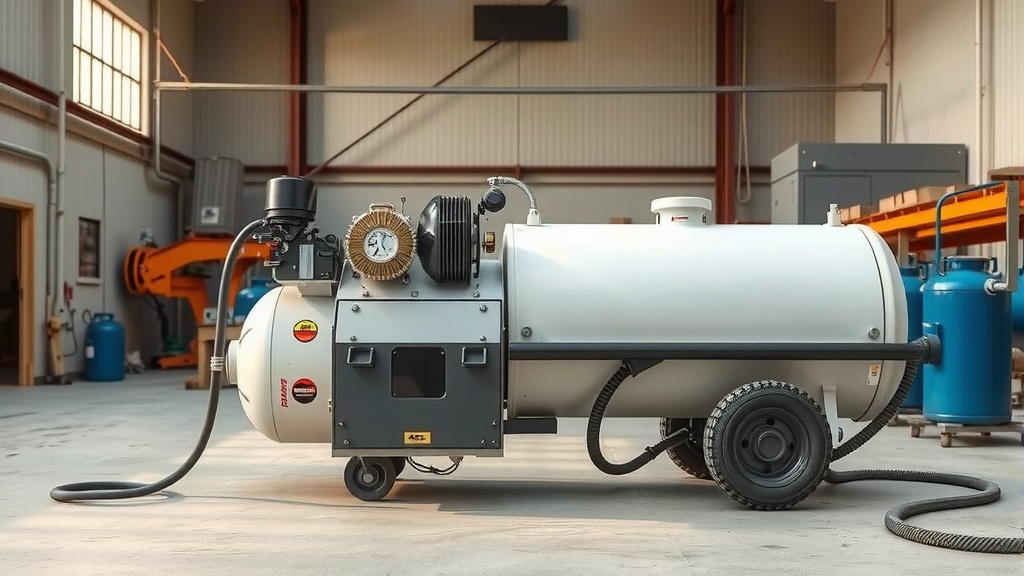
Yes, you absolutely need an air compressor for a sandblaster. It provides the essential high-pressure air stream to propel abrasive media effectively.
Without a properly sized air compressor, your sandblaster simply won’t work, as air is its primary power source.
- Sandblasters are completely reliant on an air compressor to operate.
- You must match the compressor’s CFM and PSI output to your sandblaster’s requirements.
- Larger sandblasting tasks require higher CFM and a bigger air tank for consistent performance.
- For continuous blasting, opt for a compressor with a good duty cycle.
- Smaller, portable compressors can handle light-duty, intermittent sandblasting jobs.
Do You Need An Air Compressor For A Sandblaster?
Yes, an air compressor is the absolute heart of any sandblasting operation. Without it, your sandblaster is just a fancy nozzle holding abrasive material.
Understanding the Basics: How Sandblasting Works
Imagine tiny, high-speed projectiles cleaning a surface. That’s sandblasting! But what pushes those projectiles?
It’s a powerful stream of compressed air. This air literally “blasts” the abrasive material onto your workpiece. This process cleans, strips, or textures surfaces effectively.
The Critical Role of Air Pressure (PSI)
Think of PSI as the “force” behind the blast. It’s Pounds per Square Inch. Higher PSI generally means a more aggressive cleaning action. We found that most sandblasters need at least 80-100 PSI to function well (Compressed Air & Gas Institute).
Too little pressure, and your abrasive media just dribbles out. You won’t get any meaningful work done.
Volume Matters: Cubic Feet Per Minute (CFM)
CFM, or Cubic Feet per Minute, measures the “volume” of air your compressor can deliver. It’s like the steady flow of water from a tap. A low CFM is like a dripping faucet, while high CFM is a powerful firehose.
Your sandblaster needs a consistent, high volume of air. This keeps the abrasive flowing without interruptions. Many experts say matching your sandblaster’s CFM needs to your compressor’s output is absolutely vital.
What Happens If Your Compressor is Too Small?
Running a sandblaster with an undersized compressor is like trying to win a race with a sputtering engine. You’ll experience a dramatic drop in performance.
The blasting stream will be weak and inconsistent. You’ll spend more time waiting for the compressor to catch up than actually blasting. This leads to frustration and poor results.
Matching Your Compressor to Your Sandblaster
This is where the magic happens! Finding the right air compressor for a sandblaster is all about matching specifications. Look at your sandblaster’s requirements for both PSI and CFM.
Always aim for a compressor that meets or slightly exceeds these numbers. It’s better to have a little extra capacity than not enough.
Small Projects, Smaller Needs
Are you blasting small items like rusty tools or automotive parts? A smaller, portable compressor might work. These typically offer 5-10 CFM at 90 PSI.
They’re great for intermittent use. Just be prepared for pauses while the tank refills.
Heavy-Duty Blasting Demands More Power
For bigger projects, like restoring car bodies or large furniture, you need a substantial air supply. We found that professional sandblasters can demand 20-40 CFM or even more at 90-100 PSI.
These applications definitely call for a larger, more powerful compressor. You want to maintain a constant blast without losing pressure.
Key Air Compressor Specifications to Look For
When you’re shopping for an air compressor, don’t just grab the first one you see. Look closely at these specs.
Tank Size: More Than Just Storage
The tank doesn’t create air, it stores it. A larger tank provides a buffer. This means fewer cycles for your compressor’s motor. This results in more continuous blasting time between refills.
For sandblasting, a bigger tank (20-gallon minimum, often 60-80 gallons or more for serious work) is generally better. It helps keep the pressure steady.
Horsepower (HP): The Engine Behind the Air
Horsepower tells you about the motor’s strength. A higher HP generally correlates with higher CFM output. It’s the muscle that drives the air compression.
While not the only factor, a decent HP (5 HP or more for heavy use) is a good indicator of a compressor’s ability to keep up with demanding tools.
Duty Cycle: For Continuous Work
Some compressors can run all day, others need breaks. The duty cycle indicates how long a compressor can run continuously versus how long it needs to rest. Sandblasting is a high-demand activity.
For extended sandblasting sessions, we found that a compressor designed for a high duty cycle, or even 100% continuous use, is essential. Otherwise, you’ll burn out your motor.
Oil-Lubricated vs. Oil-Free Compressors
When choosing, you’ll encounter two main types. Oil-lubricated compressors are generally more durable and quieter. They’re often preferred for heavy-duty, continuous applications like sandblasting.
Oil-free compressors are lighter and require less maintenance. However, they can be louder and might not last as long under constant, rigorous use. Consider your long-term needs and how often you’ll be blasting.
Portable vs. Stationary Sandblasting Setups
Your workspace and project size will influence your choice here. Portable setups offer flexibility, while stationary units provide consistent power.
| Feature | Portable Setup | Stationary Setup |
|---|---|---|
| Compressor Size | Smaller tank, lower CFM | Large tank, high CFM |
| Mobility | Easy to move to different locations | Fixed in one workshop spot |
| Applications | Small parts, quick spot cleaning | Large projects, automotive, furniture |
| Continuous Use | Intermittent, with recovery time | Suitable for extended periods |
Essential Accessories for Your Sandblasting Setup
Beyond the compressor and sandblaster, you’ll need a few other items to operate safely and effectively. Think of these as the supporting cast.
- Quality Air Hoses: Make sure they can handle the high pressure and won’t restrict airflow.
- Air Filters and Regulators: Essential for clean, dry air. Moisture is the enemy of sandblasting.
- Respirator: Protect your lungs from fine dust particles. This is non-negotiable (OSHA guidelines).
- Heavy-Duty Gloves: Shield your hands from flying abrasive material.
- Eye Protection: Safety glasses or a full face shield are critical for vision protection.
- Appropriate Blast Media: Use the right type for your project. Don’t just use playground sand!
Conclusion
So, do you need an air compressor for a sandblaster? The answer is a resounding yes. It’s not an accessory, but a fundamental requirement. Choosing the right compressor means looking at PSI, CFM, tank size, and duty cycle.
Match these specs to your sandblaster’s demands and your project needs. Investing in the correct air compressor will save you time, frustration, and ensure superior results. Blast safely and efficiently!
FAQs
Can I use a small pancake air compressor for a sandblaster?
While you technically can, a small pancake compressor typically won’t provide enough sustained CFM or tank capacity. It will struggle to keep up, leading to very short blasting bursts and long recovery times. It’s generally not recommended for effective sandblasting.
What size air compressor do I need for a siphon sandblaster?
Siphon sandblasters usually require less air volume than pressure pot systems, but still a significant amount. For hobbyist siphon guns, look for compressors providing at least 10-15 CFM at 90 PSI with a 20-gallon tank minimum. Larger siphon guns will need more CFM.
Why is dry air important for sandblasting?
Dry air is crucial because moisture in the air supply can cause abrasive media to clump and clog the sandblaster. It also reduces blasting efficiency and can even lead to rust on the surface you’re trying to clean. An inline air dryer or filter/separator is highly recommended.
Can I sandblast continuously with any air compressor?
No, not all air compressors are designed for continuous use. Many consumer-grade compressors have a duty cycle that requires them to rest to prevent overheating. For continuous sandblasting, you’ll need an industrial-grade compressor with a high (or 100%) duty cycle.
What happens if the compressor’s CFM is lower than the sandblaster’s requirement?
If your compressor’s CFM output is lower than what your sandblaster needs, you will experience a significant drop in performance. The blast stream will be weak, intermittent, and inconsistent. This results in slow, ineffective cleaning and frustration, as you’ll spend more time waiting for the compressor to rebuild pressure.
