Does A Plasma Cutter Require An Air Compressor?
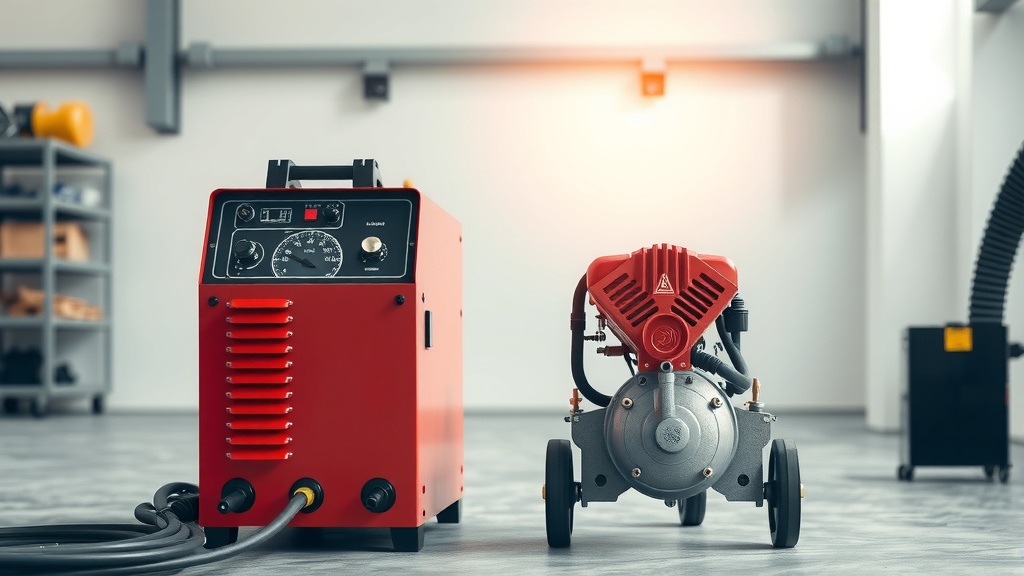
Yes, a plasma cutter almost always requires an air compressor to operate effectively.
The compressed air is essential for creating the plasma arc and shielding the cut, making it a non-negotiable component for most units.
- Plasma cutters need compressed air to generate the superheated plasma for cutting metal.
- The air pressure and flow (CFM) must match your specific plasma cutter’s requirements.
- Clean, dry, oil-free air is vital to prevent poor cuts and damage to your equipment.
- Investing in proper air filtration and drying systems extends the life of your torch and consumables.
- Matching your air compressor to your plasma cutter is crucial for optimal performance and safety.
Does A Plasma Cutter Require An Air Compressor?
Absolutely, yes. A plasma cutter relies heavily on an air compressor to do its job. Think of the compressor as the unsung hero, providing the vital breath for your plasma cutter to slice through metal. Without it, your plasma cutter is simply an expensive paperweight.
The Heart of Plasma Cutting: Compressed Air
You might wonder, why air? What makes it so special for cutting metal? It’s all about creating the plasma. When you activate your plasma cutter, an electric arc forms between the torch electrode and the workpiece. This arc superheats the compressed air flowing through the torch.
How Air Fuels the Plasma Arc
That superheated air then turns into plasma. This is an electrically conductive gas, hot enough to melt metal almost instantly. The high-velocity stream of plasma gas then blasts away the molten material, making a clean cut. Without that consistent flow of compressed air, the entire process simply cannot begin. We found that the air not only forms the plasma but also helps to push the molten metal away from the cut, keeping your cutting edge sharp (Hobart Welding Products).
Why Your Plasma Cutter Needs Clean, Dry Air
It’s not just about having air; it’s about having the right kind of air. Imagine trying to run a marathon with a heavy backpack full of rocks. You could do it, but it would be much harder, right? Your plasma cutter feels the same way about bad air.
Moisture is the Enemy
When compressed air cools down, water vapor can condense into liquid water. This moisture is a major problem for plasma cutting. It can interfere with the electrical arc, leading to poor cut quality, excessive spatter, and even damaging your torch consumables. Many experts say that moisture is the primary cause of premature consumable wear.
Oil Contamination Woes
Some compressors, especially older piston models, can introduce tiny oil particles into the air stream. Like water, oil contaminates the plasma arc. It causes unstable cuts, reduces precision, and gums up your torch components. Ensuring your air is oil-free is critical for peak performance.
What Kind of Air Compressor Do You Need?
Choosing the right air compressor for your plasma cutter is like finding the perfect pair of shoes for a long hike. You need a good fit. Your plasma cutter will have specific requirements, and your compressor needs to meet them, or even exceed them slightly.
Understanding CFM and PSI
When you look at air compressors, you’ll see two main numbers: CFM and PSI. CFM stands for cubic feet per minute. This tells you how much air volume the compressor can deliver. PSI is pounds per square inch, indicating the air pressure. Both are important for a plasma cutter. Your plasma cutter’s manual will clearly state the required CFM and PSI. We found that most entry-level plasma cutters need around 4-6 CFM at 90-100 PSI (Miller Electric).
Matching Your Cutter’s Needs
Always check your plasma cutter’s specifications first. Don’t guess! An undersized compressor simply won’t keep up. It will run constantly, overheat, and still deliver poor cutting performance. On the other hand, an oversized compressor won’t hurt, but you might be spending more than you need to. Aim for a compressor that offers at least 1.5 times the required CFM of your plasma cutter for continuous use. This gives you a nice buffer.
Essential Air Compressor Features
Beyond CFM and PSI, some features make a compressor more suitable for plasma cutting. These features really matter for consistent, high-quality results.
| Feature | Why It Matters for Plasma Cutting |
|---|---|
| Large Air Tank | Helps maintain consistent pressure and reduces compressor cycling. |
| High Duty Cycle | Allows the compressor to run longer without overheating. |
| Low Oil or Oil-Free | Prevents oil contamination in your plasma stream, improving cut quality. |
| Aftercooler | Cools compressed air, removing more moisture before it enters the tank. |
| Automatic Drain | Regularly removes condensed water from the tank, preventing rust and moisture issues. |
Choosing the Right Setup for Your Workshop
Your workshop size and how often you cut will influence your compressor choice. Are you a weekend warrior or a daily fabricator? This impacts what you need.
Portable vs. Stationary Compressors
Small, portable plasma cutters often pair well with smaller, portable air compressors. These are great for light-duty work or if you need to move your setup around. However, for more intensive or frequent cutting, a larger stationary compressor is a much better investment. Stationary units typically offer higher CFM, larger tanks, and are built for continuous use. They are usually quieter too.
Don’t Forget Air Filtration and Drying
Even if your compressor is oil-free, the ambient air still contains moisture and particulate matter. This is where filters and dryers come in. A good air dryer, either a refrigerated or desiccant type, is a game-changer for plasma cutting. It removes nearly all moisture, protecting your consumables and ensuring a clean cut. Filters then catch any remaining particles.
Here’s a quick checklist for your air system essentials:
- Adequate CFM and PSI compressor.
- Dedicated air filter to remove particles.
- Air dryer to eliminate moisture.
- Automatic tank drain for hassle-free maintenance.
- Properly sized air lines for optimal flow.
What Happens Without Proper Air Supply?
Using a plasma cutter with an inadequate or contaminated air supply is like driving a sports car with flat tires. It might move, but it won’t perform. You’ll quickly see the negative impact on your work and your equipment.
Common Cutting Problems
Insufficient air pressure leads to a weak, unstable arc. This results in slow, messy cuts, excessive dross (slag) on your workpiece, and an uneven finish. You might also experience frequent arc loss, where the plasma stream extinguishes mid-cut. Moisture and oil cause similar issues, often showing up as discoloration, pitting, or simply very poor cut quality. Research often connects poor air quality with significant drops in cutting speed and accuracy (Lincoln Electric).
Protecting Your Investment
Plasma cutters and their consumables are not cheap. Running them with bad air is a sure way to shorten their lifespan. Your electrodes and nozzles will wear out much faster, costing you more money in replacements. More importantly, it can stress the internal components of your plasma cutter, potentially leading to costly repairs. A little investment in a quality air system upfront can save you a lot of headache and expense down the road.
Conclusion
To sum it up, a plasma cutter absolutely needs an air compressor. It’s not an optional accessory; it’s a fundamental part of the cutting system. Investing in the right compressor—one that delivers sufficient, clean, and dry air—is key to achieving precise cuts, prolonging the life of your torch, and ultimately, enjoying your plasma cutting experience. Don’t skimp on this vital component; your projects, and your wallet, will thank you.
What is the minimum CFM requirement for a typical plasma cutter?
Most smaller, handheld plasma cutters typically require a minimum of 4 to 6 CFM (cubic feet per minute) at 90-100 PSI. However, larger or industrial plasma cutters can demand significantly more, sometimes upwards of 10-15 CFM or higher. Always check your specific plasma cutter’s manual for its exact requirements.
Can I use an oil-lubricated compressor with a plasma cutter?
While possible, it’s generally not recommended without proper filtration. Oil-lubricated compressors can introduce fine oil particles into the air stream, which can contaminate the plasma arc and degrade cut quality. If you must use one, ensure you have a high-quality, multi-stage air filter and an air dryer to remove oil and moisture effectively.
How important is an air dryer for plasma cutting?
An air dryer is extremely important. Moisture in compressed air is a leading cause of poor cut quality, excessive dross, and rapid wear of plasma torch consumables. A good air dryer ensures your air is dry, leading to cleaner cuts, longer consumable life, and more consistent performance from your plasma cutter.
Will my plasma cutter work if my air compressor is too small?
It might turn on, but it will not work well. If your air compressor is too small (low CFM), it won’t be able to supply the continuous air volume needed. This leads to the compressor running constantly, fluctuating pressure, unstable arcs, and very poor cut quality, often with frequent arc outs. You’ll likely damage your compressor and your plasma cutter in the long run.
Besides an air compressor, what other accessories are essential for plasma cutting?
Beyond the compressor, a few other accessories are crucial for optimal plasma cutting. These include an air filter/regulator combination to ensure clean, regulated air, a good grounding clamp for safety and effective cutting, appropriate personal protective equipment (PPE) like a welding helmet and gloves, and a sturdy workbench or cutting table.
