
Does An Air Compressor Weigh More Full?
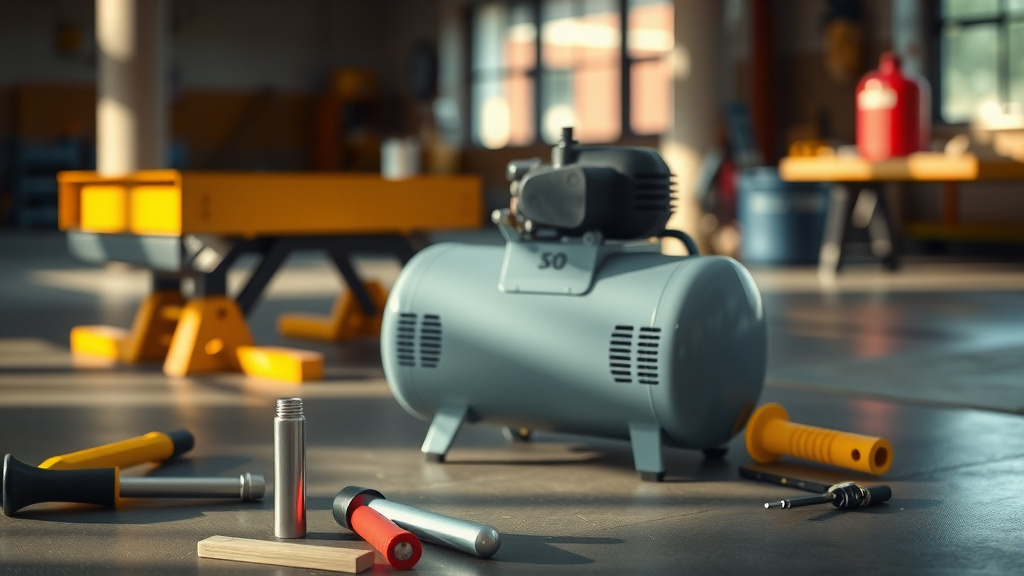
Yes, an air compressor weighs slightly more when full of compressed air compared to when it’s empty.
While the difference is minimal, the added weight comes from the increased air density inside the tank.
Here’s a quick summary of what you’ll learn:
- An air compressor gains a tiny amount of weight when its tank holds compressed air.
- This extra weight happens because air molecules are packed tighter, making the air denser.
- You probably won’t feel this weight difference when you move your compressor.
- The added weight is usually too small to affect how you use or transport the machine.
- Always focus on the compressor’s empty weight for real-world handling and lifting.
Does An Air Compressor Weigh More Full?
Yes, an air compressor does weigh slightly more when its tank is full of compressed air. This additional weight is typically negligible for most practical purposes.
The Science Behind the Slight Weight Gain
Think about it like this: air, even though we often forget it, has weight. When you compress air, you’re forcing more air molecules into a smaller space. This makes the air inside the tank much denser.
That increased density means more mass is now contained within the tank. More mass equals more weight. It’s a fundamental principle of physics.
What is Air Pressure Anyway?
Air pressure is simply the force that air molecules exert on a surface. Inside an air compressor tank, the pump shoves more and more air into that tank. This makes the molecules bump into each other and the tank walls with greater force.
The higher the pressure, the more air molecules are crammed inside. And those extra molecules contribute to the tank’s overall weight.
How Much Extra Weight Are We Talking About?
When an air compressor is full, the weight increase is surprisingly small. We found that for a typical 20-gallon tank pressurized to 125 PSI, the extra weight from the compressed air is usually less than half a pound. For smaller tanks, it could be just a few ounces.
This amount is often less than the weight of a can of soda. So, it’s not something you’d likely notice if you were lifting the compressor.
A Quick Comparison: Empty vs. Full
Let’s look at it simply. Imagine an empty balloon. It weighs almost nothing. Now, blow it up. It still feels light, right? But it does weigh a tiny bit more because you’ve added air.
An air compressor tank works on the same idea. It gains a minuscule amount of mass when air is added under pressure.
Why You Likely Won’t Notice The Difference
Most air compressors weigh anywhere from 20 pounds for a small portable unit to over 200 pounds for larger stationary models. Adding half a pound to a 50-pound machine is a change of only one percent.
That’s why when you go to move your air compressor, whether it’s full or empty, it will feel pretty much the same to your muscles. Your personal strength or the terrain will have a far greater impact.
When Does Air Compressor Weight Truly Matter?
While the weight of the air inside doesn’t matter much, the overall weight of the compressor itself is very important. You should always consider the unit’s actual weight.
Moving and Transporting Your Compressor
If you’re buying a new compressor, or just moving your current one, you’ll want to know its empty weight. This helps you plan for lifting, loading into a vehicle, or just rolling it around your garage.
Many guidelines suggest that you should not attempt to lift heavy items alone. Always ask for help with larger compressors (OSHA recommendations often cover lifting safety).
Safety Considerations and Weight Limits
Every vehicle and trailer has a weight limit. Knowing your compressor’s weight is crucial to avoid overloading. Also, if you’re mounting a compressor, say in a service truck, you need to know its full structural weight.
Exceeding weight limits can be dangerous, leading to vehicle damage or accidents on the road.
Factors Affecting an Air Compressor’s Base Weight
The main factors that decide an air compressor’s weight are its components and design. These are what you should pay attention to.
Tank Size and Material
Larger tanks, naturally, weigh more than smaller ones. Steel tanks are also significantly heavier than aluminum tanks. We found that steel is the most common material due to its strength and cost.
Pump and Motor Components
The pump and motor assembly are often the heaviest parts of a compressor. Cast iron pumps are very durable but add considerable weight. Oil-lubricated pumps typically have more robust, thus heavier, components.
Additional Features and Accessories
Things like wheels, handles, and special housings can add a bit of weight too. Even sound-dampening enclosures can make a compressor a bit heavier, though they also make it quieter.
Here’s a breakdown of common weight contributors:
| Component | Impact on Weight | Typical Material |
|---|---|---|
| Air Tank | Significant (based on size/material) | Steel or Aluminum |
| Motor | High (based on horsepower) | Copper windings, steel housing |
| Pump | High (based on design/material) | Cast Iron, Aluminum |
| Frame/Chassis | Moderate | Steel tubing, sheet metal |
| Wheels/Handles | Low to Moderate | Rubber, plastic, steel |
Practical Tips for Handling Your Compressor
Knowing the actual weight of the machine is what truly matters for your safety and ease of use. Forget about the tiny bit of added air weight.
Always Check Manufacturer Specs
Before you buy or move any compressor, check the official specifications. The manufacturer will list the “dry weight” or “shipping weight.” This is the number you need to know.
Here’s a quick checklist for safe handling:
- Read your compressor’s manual for specific weight information.
- Always use proper lifting techniques to protect your back.
- Ask for help when moving heavier units, even with wheels.
- Use a hand truck or dolly for large, bulky compressors.
- Ensure your transport vehicle can handle the compressor’s weight safely.
- Secure the compressor properly during transport to prevent it from shifting.
Conclusion
So, does an air compressor weigh more full? Yes, technically it does, due to the added density of compressed air. But let’s be realistic: the difference is so small it’s practically meaningless for everyday use or transport. You’ll never notice it.
What truly impacts your ability to move, lift, or secure your air compressor is its base weight – the weight of its components, tank, motor, and pump. Always consult the manufacturer’s stated weight for accurate information and prioritize safety when handling your equipment.
What factors determine the base weight of an air compressor?
The base weight of an air compressor is mainly determined by its tank size and material (steel is heavier than aluminum), the power and material of its motor and pump, and any additional features like a sturdy frame or wheels.
Is it dangerous to move an air compressor when it’s full?
No, it is not inherently dangerous to move a compressor when full due to the air’s weight. The primary safety concerns are proper lifting techniques, securing the unit during transport, and ensuring the tank is in good condition, regardless of its air content.
Does the pressure level affect how much more a full compressor weighs?
Yes, the pressure level does affect the weight slightly. A tank filled to a higher PSI will contain more compressed air molecules and thus weigh marginally more than one filled to a lower PSI. However, this difference is still very minor.
Why do some air compressors have wheels if the air inside is so light?
Air compressors have wheels because their primary components (the motor, pump, and tank) are often very heavy, typically ranging from dozens to hundreds of pounds. The wheels are there to help you easily move the heavy machine itself, not because of the air’s weight.
Should I drain the air from my compressor before moving it?
While draining the air won’t significantly reduce its weight for moving, it is generally a good practice to drain the tank when storing it for long periods to prevent moisture buildup and rust. For short moves, it’s not strictly necessary, but always ensure the tank is stable and secure.
