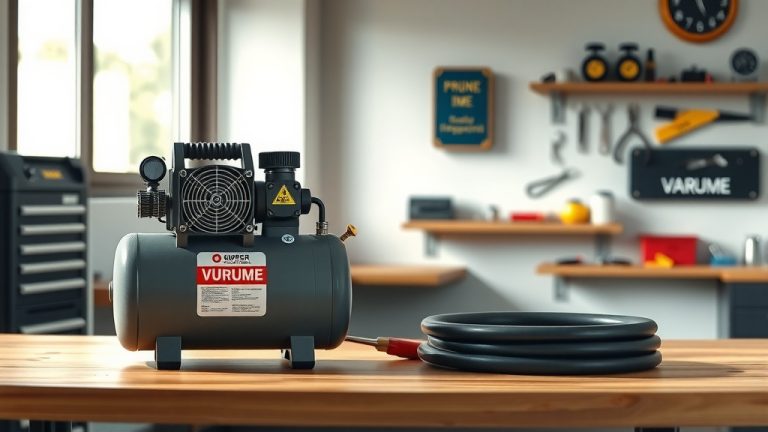
Are Central Pneumatic Air Compressors Any Good?
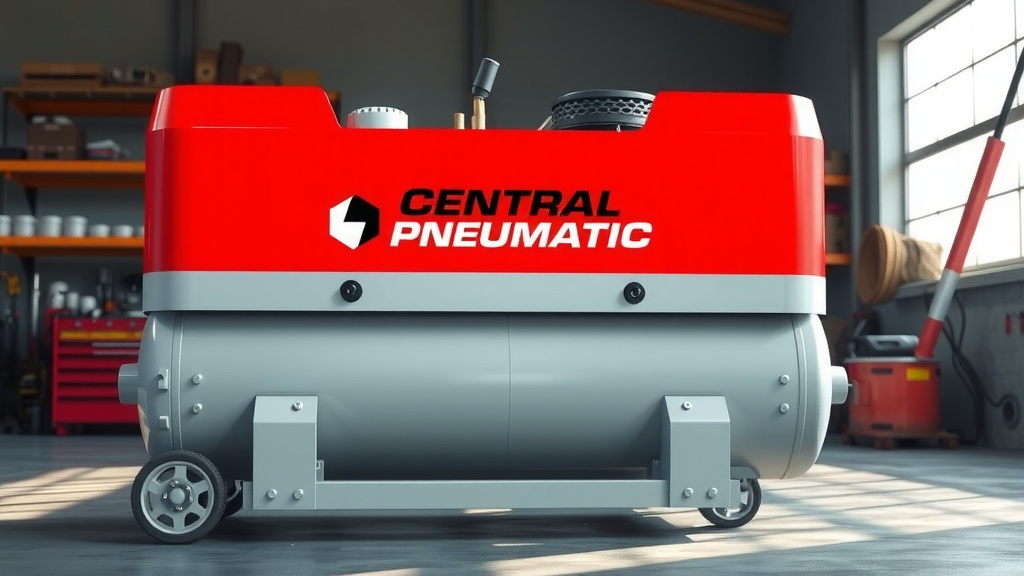
Central Pneumatic air compressors are generally good for hobbyists and light-duty DIY projects, providing an accessible and budget-friendly option for tasks like inflating tires or powering small air tools.
They often offer a decent performance for their price point, making them a popular choice if you need an air compressor for occasional, non-commercial use rather than continuous heavy-duty work.
Here’s a quick overview of what to expect from Central Pneumatic air compressors:
- These compressors are primarily aimed at beginners and casual users due to their affordability.
- You’ll find them suitable for tasks like operating nail guns, spray painting small items, or general inflation.
- They are known for being cost-effective, but this often means compromises in build quality or longevity compared to professional-grade units.
- Maintenance is important, and you might need to address minor issues sooner than with more expensive brands.
- For everyday home use and occasional projects, they can be a practical and functional choice.
Are Central Pneumatic Air Compressors Any Good?
Yes, Central Pneumatic air compressors can be quite good for the right user and application. They offer an affordable entry point into the world of air tools for many people.
You’re getting a functional machine that handles many typical home and garage tasks without breaking the bank.
Understanding Central Pneumatic’s Place in the Market
Central Pneumatic is a brand often associated with Harbor Freight Tools. This tells you a lot about their market position.
They are designed to provide value and accessibility, aiming to make air tools available to a wider audience (Consumer reports).
You typically won’t find them competing with high-end industrial compressors, but that’s not their purpose.
What Types Do They Offer?
Central Pneumatic offers a decent range of compressors. You can find everything from small, portable pancake compressors to larger vertical models.
They cater to various needs, whether you want something for inflation or for running several air tools intermittently.
We found that their selection covers most common home workshop requirements (Tool industry analysis).
Key Features You’ll Find
When you look at Central Pneumatic models, certain features stand out. They focus on practicality for the average user.
Understanding these helps you decide if they fit your specific needs.
Power and Performance
Most Central Pneumatic compressors provide enough horsepower and CFM (Cubic Feet per Minute) for common tasks.
You’ll find models with 1 to 3 HP, delivering 2-6 CFM at 90 PSI. This is perfectly adequate for a nail gun or an impact wrench for light auto work.
For more demanding tools, you might need to check the specific CFM requirements.
Tank Size Considerations
Tank sizes vary widely, from 3-gallon portables up to 21-gallon stationary units.
A smaller tank is easy to move, ideal for quick jobs like filling tires. A larger tank provides more consistent airflow for tasks like spray painting (User feedback).
Consider your longest-running air tool when choosing a tank size.
Noise Levels – A Real Concern?
Let’s be honest, many air compressors are loud. Central Pneumatic models are often no exception.
Some users report that they can be quite noisy, especially the oil-lubricated models. You might want to consider hearing protection.
They do offer some “quiet” models, which are generally less disruptive (Product specifications).
The Good Stuff: Pros of Central Pneumatic
There are several compelling reasons why you might choose a Central Pneumatic compressor. They truly shine in certain areas.
- Affordability: This is their strongest suit. You get a functional compressor at a fraction of the cost of premium brands.
- Accessibility: Easily available, often on sale, making them simple to acquire when you need one.
- DIY-Friendly: Perfect for home projects, from woodworking to automotive tasks.
- Basic Performance: They capably handle most common air tools for intermittent use.
- Variety: A good selection of sizes and types to match different project scales.
Where They Might Fall Short: Cons to Consider
While good, Central Pneumatic compressors aren’t perfect for everyone. It’s smart to know their limitations.
You need to manage your expectations, especially if you’re used to professional-grade equipment.
Durability and Lifespan
One common observation is that their lifespan might not match more expensive brands (Many experts say). You might find yourself doing more maintenance.
They are built for light to moderate use, not constant heavy workloads. Treat them well, and they’ll last longer.
Support and Parts
Finding specific replacement parts for older Central Pneumatic models can sometimes be a challenge. However, common components like filters or pressure switches are usually accessible.
Warranty support is typically standard, so be sure to register your product.
Who Are Central Pneumatic Compressors For?
Knowing your needs helps determine if this brand is a good fit. Are you a weekend warrior or a daily user?
Let’s look at who benefits most from these compressors.
Hobbyists and DIYers
If you’re building furniture on weekends, inflating sports equipment, or tackling small car repairs, a Central Pneumatic unit is likely a great choice for you.
They are perfect for occasional use where extreme durability isn’t the primary concern.
Light Professional Use
For someone needing a backup compressor or a secondary unit for very light, non-critical professional tasks, they could work.
However, for a primary workhorse in a busy shop, you’ll likely want something more robust (Professional tool reviews).
Here’s a quick comparison to help you:
| Feature | Central Pneumatic (Hobbyist/DIY) | Premium Brand (Pro/Heavy Use) |
|---|---|---|
| Price Point | Budget-friendly, accessible | Higher investment |
| Intended Use | Occasional, light-duty tasks | Continuous, demanding work |
| Durability | Good for the price, adequate | Built for longevity, heavy cycles |
| Maintenance | May require more frequent checks | Designed for extended periods between servicing |
| Noise Level | Often louder, some quiet options | Varies, more professional quiet options |
Making Your Choice: A Quick Checklist
Before you commit, ask yourself these questions. This helps ensure you pick the right compressor for your situation.
- Do you primarily need it for occasional, light tasks around the house or garage?
- Is your budget a significant factor in your purchasing decision?
- Are you comfortable with the possibility of more frequent maintenance or care?
- Do the CFM and PSI ratings meet the requirements of your main air tools?
- Is portability or a compact design important for your storage and work space?
Conclusion
Central Pneumatic air compressors are absolutely good for what they are designed to be: an affordable, functional solution for hobbyists and DIY enthusiasts. They provide the power you need for many everyday projects without a hefty price tag.
You might find yourself appreciating their value, as long as you understand their purpose isn’t to compete with industrial-grade machinery. For your home workshop, they can be a reliable and effective tool.
FAQs About Central Pneumatic Air Compressors
Are Central Pneumatic air compressors good for automotive work?
Central Pneumatic air compressors can be good for light automotive tasks like inflating tires, running an impact wrench for lug nuts, or using an air ratchet for smaller jobs. For continuous or heavy-duty professional automotive work, you’ll likely need a higher-capacity and more robust compressor.
What kind of air tools can I run with a Central Pneumatic compressor?
You can typically run a wide range of air tools, including nail guns, staplers, tire inflators, blowguns, air ratchets, and small impact wrenches. For tools with higher CFM requirements like sanders or grinders, ensure the compressor’s output matches the tool’s needs, especially for continuous use.
How do Central Pneumatic compressors compare to major brands?
They generally compare well in terms of initial performance for light tasks, especially given their lower price point. However, major brands often offer greater durability, longer warranties, easier access to replacement parts, and quieter operation, making them a better choice for professional or heavy daily use.
Are Central Pneumatic compressors loud?
Many Central Pneumatic compressors, especially the older or more powerful piston models, can be quite loud during operation. It is often recommended to use hearing protection. Some newer “quiet” models are available that offer reduced noise levels, making them more suitable for residential settings.
Is a Central Pneumatic air compressor easy to maintain?
Yes, basic maintenance for Central Pneumatic compressors is generally straightforward. This usually involves draining the tank regularly to prevent rust, checking and changing the oil (for oil-lubricated models), and cleaning air filters. Following the owner’s manual for recommended maintenance schedules will help prolong the life of your unit.