Are Pancake Air Compressors Any Good?
Pancake air compressors are good for light-duty tasks, offering excellent portability and affordability for DIY projects and smaller jobs. They are ideal for trim work, inflating tires, and using nail guns, but not suited for heavy-duty, continuous applications.
Yes, for specific applications, pancake air compressors are a solid choice when you need a compact, easy-to-move air source for quick tasks.
TL;DR:
- Pancake air compressors are compact and affordable.
- They are perfect for light tasks like nailing and inflating.
- Not suitable for heavy-duty, continuous work.
- Look for PSI, CFM, and tank size for best use.
- They generally require minimal maintenance.
Are Pancake Air Compressors Any Good?
Yes, pancake air compressors are good for many homeowners and light-duty professionals, especially when portability and space are top priorities.
What Makes a Pancake Compressor Unique?
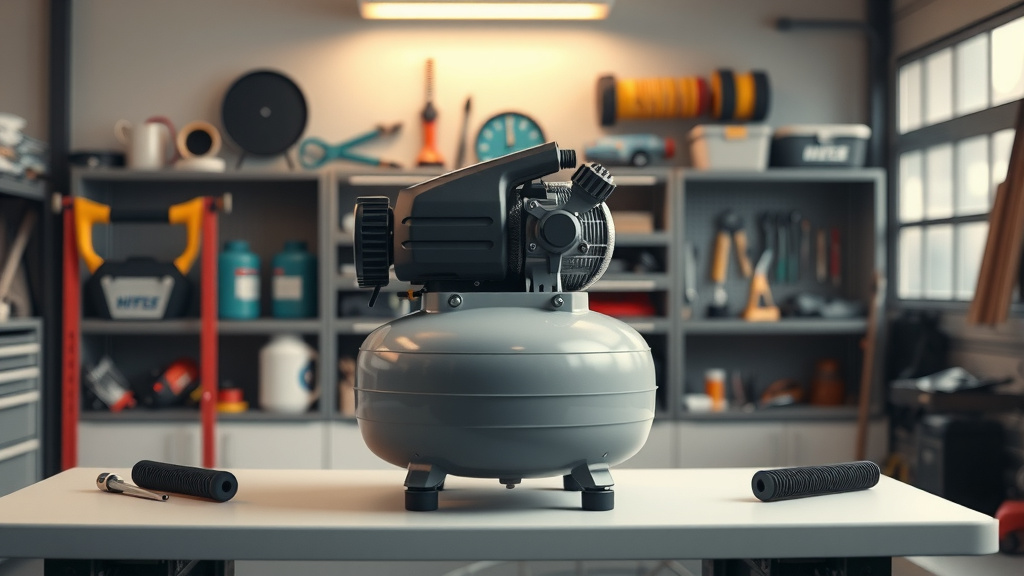
A pancake air compressor gets its name from its distinctive flat, round tank shape. This design makes them incredibly stable and easy to transport. They are a common sight in workshops and job sites for their convenience.
Generally, these compressors feature smaller tanks, usually ranging from 2 to 6 gallons. This compact size contributes to their lightweight nature, which is a major benefit for anyone on the go.
The Clear Advantages of a Pancake Model
One of the biggest draws is their affordability. We found that pancake compressors often come with a lower price tag compared to larger, more robust models. This makes them accessible for hobbyists and DIY enthusiasts.
Their compact size means they take up minimal storage space in your garage or shed. You can easily tuck one away in a corner, ready for your next project.
Portability is another huge plus. Many experts agree that the design is ideal for moving from one task to another. Imagine easily carrying your compressor out to inflate tires or finish a fence repair.
Where Pancake Compressors Really Shine
Pancake compressors are fantastic for tasks requiring intermittent air power. They are perfect for driving brad nailers for trim work or staplers for upholstery projects. You’ll find them a reliable tool for these jobs.
Need to inflate car tires, bike tires, or sports equipment? A pancake compressor handles these with ease. They deliver enough pressure for quick inflation, making them a household essential.
They can also power small airbrush guns for painting or crafts. If your projects involve lighter air tools, this compressor type is often an excellent fit.
Understanding Their Limitations
While versatile, pancake compressors do have limitations. Their smaller tank means they have to cycle on and off more frequently to maintain pressure. This can be disruptive for continuous use tools.
They typically offer lower CFM (Cubic Feet per Minute) compared to larger compressors. This means they are not suited for heavy-duty tools like paint sprayers or impact wrenches. These tools demand a constant, higher air flow.
Many models can also be quite noisy when running. While not always a deal-breaker, it’s something to consider if you work in a shared space. Research shows that noise levels are a common user complaint (OSHA).
Is a Pancake Compressor Right for You?
Choosing the right compressor involves thinking about your specific needs. Are your projects mostly light and infrequent? Do you value mobility above all else? These questions help guide your decision.
Key Specs to Watch For
When shopping, look at the PSI (pounds per square inch) and CFM. PSI tells you the maximum pressure, while CFM indicates the volume of air delivered. For most light tasks, sufficient PSI and CFM are important.
Consider the tank volume, as this affects how often the motor runs. A slightly larger tank (e.g., 6 gallons) gives you a bit more air before it needs to recharge. This reduces interruptions during your workflow.
Quick Check: Is a Pancake Compressor Your Ideal Match?
- Do you mainly work on small, quick projects?
- Is portability a must-have for your tasks?
- Are you looking for an affordable entry-level air compressor?
- Will you primarily use nail guns, staplers, or for inflation needs?
- Do you have limited storage space in your workshop?
Pancake Compressor vs. Other Types: A Quick Look
Let’s compare the pancake model to other common portable designs. This can help you see where it stands out for specific needs.
| Feature | Pancake Compressor | Hot Dog/Twin Stack |
|---|---|---|
| Tank Shape | Round, flat | Cylindrical, horizontal |
| Portability | Very high, stable | Moderate, can be bulky |
| Tank Size | Small (2-6 gallons) | Medium (6-10 gallons) |
| Best For | Light nailing, inflation | Framing, roofing, longer runs |
| Noise Level | Often louder | Varies, some quieter |
Considering Tank Volume vs. CFM
While tank size is important, remember that CFM drives tool performance. A smaller tank with higher CFM can sometimes outperform a larger tank with low CFM for quick bursts. Always match both to your tool requirements.
Essential Maintenance Tips
Like any tool, your pancake compressor needs a little care. Always drain the condensation from the tank after each use. This prevents rust buildup and extends the life of the tank.
If your model is oil-lubricated, check the oil level regularly and change it as recommended. Many experts suggest this is crucial for the motor’s longevity. Oiled models usually offer quieter operation.
Keep the air filter clean, as a dirty filter can reduce efficiency and put strain on the motor. A quick check before each use can save you from future headaches.
Choosing the Best Pancake Compressor
When you’re ready to buy, research popular brands known for reliability. Look at customer reviews and consider the warranty offered. A good warranty provides peace of mind for your investment.
Think about additional features like multiple air couplers or an included accessory kit. These can add to the value and convenience of your new compressor. Many options are available today.
Conclusion
Pancake air compressors are indeed a good investment for specific uses. They offer excellent portability, affordability, and ease of use for light-duty tasks around the home or small job sites. If your projects involve trim nailing, stapling, or inflation, you’ll find them to be a reliable and convenient tool.
Remember to weigh their strengths against their limitations, especially for heavy, continuous work. By considering your needs and checking key specifications, you can confidently decide if a pancake compressor is the perfect fit for you.
How long can a pancake air compressor run continuously?
Pancake air compressors are not designed for continuous, heavy-duty operation. They have small tanks and motors that cycle frequently. Prolonged continuous use can lead to overheating and premature wear. For best practice, allow it to cool down between extended tasks, usually for tools requiring bursts of air rather than constant flow.
Are pancake compressors loud?
Many pancake air compressors are known for being relatively loud, often producing noise levels in the 80-90 dB range. This is due to their direct-drive motors. However, some newer models are designed with “low-noise” technology, which can significantly reduce decibel levels for a more comfortable working environment.
Can I use a pancake compressor for automotive work?
You can use a pancake compressor for light automotive tasks like inflating tires or blowing out fuel lines. However, they are generally not powerful enough for heavy-duty automotive work such as running impact wrenches for lug nuts, paint guns, or continuous grinding, which require higher CFM and larger tank capacities.
What is the typical lifespan of a pancake air compressor?
With proper maintenance, a pancake air compressor can last anywhere from 5 to 10 years or more. Factors like frequency of use, quality of the unit, and consistent draining of the tank and (for oil-lubricated models) oil changes play a big role in extending its lifespan.
Do pancake compressors require oil?
Pancake air compressors come in both oil-lubricated and oil-free versions. Oil-free models require less maintenance as they don’t need oil changes, but they can sometimes be louder and have a shorter lifespan. Oil-lubricated models often run quieter and last longer but require regular oil checks and changes.
