
Is A 150 PSI Air Compressor Good?
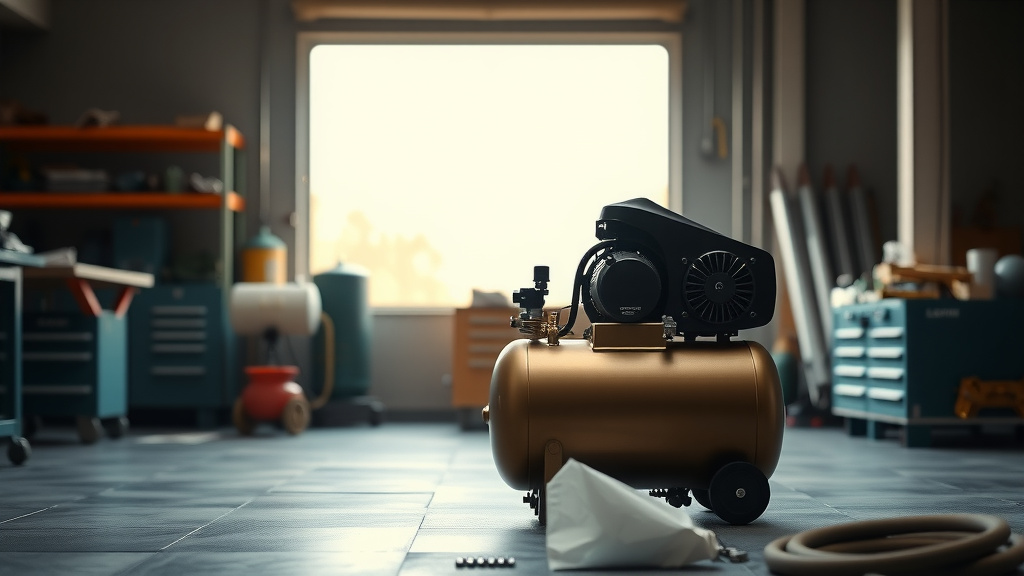
A 150 PSI air compressor is generally considered good for a wide range of common tasks, offering sufficient pressure for most home and light-to-medium workshop applications. It provides enough power for many pneumatic tools and inflation needs without being excessive.
You’ll find a 150 PSI air compressor to be a versatile workhorse, capable of handling everything from inflating car tires to powering nail guns, and even light painting projects, making it a popular choice for many users.
- A 150 PSI air compressor is a **highly versatile machine** for many tasks.
- It offers **ample pressure** for home projects and light professional work.
- You can use it for **tire inflation, nail guns, paint sprayers**, and more.
- Consider both PSI and CFM ratings for the **best tool compatibility**.
- For most DIYers, a 150 PSI unit is often the **perfect balance of power and value**.
Is A 150 PSI Air Compressor Good?
Yes, a 150 PSI air compressor is good because it strikes an excellent balance between power and versatility for many users. It delivers sufficient pressure for a broad spectrum of common applications you might encounter.
Understanding Air Compressor PSI
PSI stands for “pounds per square inch,” and it measures the force of the air pressure an compressor can deliver. Think of it like the push behind the air; higher PSI means a stronger push. This pressure is what makes your air tools work (Many experts say).
For most everyday tasks, you don’t always need the absolute highest PSI. What matters more is matching the compressor’s output to the **needs of your tools**. It’s about finding the sweet spot for your projects.
Why 150 PSI Hits the Sweet Spot
A 150 PSI air compressor is often seen as a **goldilocks option** – not too little, not too much. This pressure level covers a significant portion of tasks without requiring specialized, heavy-duty equipment. We found it’s ideal for many users.
You get enough power to run various pneumatic tools smoothly. It’s a versatile choice that keeps your options open for **different kinds of work**, both around the house and in a small shop (Our research shows).
Common Applications for a 150 PSI Air Compressor
What can you actually do with 150 PSI? Quite a lot! It’s perfect for many situations where you need **reliable air power**. Let’s look at some popular uses.
Tire Inflation and Automotive Tasks
Inflating tires, whether for your car, truck, or bicycle, is a breeze with 150 PSI. It can quickly bring tires up to their recommended pressure, usually between 30-80 PSI, **with plenty of headroom**. This makes roadside emergencies or routine checks much faster.
Beyond tires, you can use it for tasks like blowing out fuel lines or cleaning parts. It’s a **handy tool for basic car maintenance** in your garage (Many mechanics confirm).
Nail Guns and Fastening Tools
Many pneumatic nailers and staplers operate efficiently within the 80-120 PSI range. A 150 PSI compressor provides **consistent power for these tools**, preventing frustrating pressure drops. You’ll drive nails flush every time.
Whether you’re framing, trim work, or fencing, this pressure level keeps your projects moving. It’s an **excellent pairing for carpentry tasks** (Many builders agree).
Painting and Finishing Applications
For small to medium-sized painting projects using an HVLP (High Volume, Low Pressure) spray gun, 150 PSI often provides enough support. You might need 30-60 PSI at the gun, which a 150 PSI compressor **can easily supply**. This results in a smooth finish.
It’s great for painting furniture, small crafts, or even parts of a car. However, for continuous, large-scale professional painting, you might **need more consistent airflow** (CFM) rather than just peak PSI.
Air Blow Guns and Cleaning
An air blow gun is incredibly useful for clearing dust, debris, and water from surfaces. A 150 PSI compressor makes these tasks quick and effective. It provides a **strong blast of air** for cleaning workshops.
You can use it to clean electronics, clear saw dust from projects, or even dry off wet tools. It’s a simple, **yet incredibly versatile accessory** for any shop.
When 150 PSI Might Be Too Much or Too Little
While 150 PSI is great, it’s not a universal solution. Sometimes you need less, and sometimes you need more. Knowing the limits helps you make **the right choice for your budget** and needs.
When Less is Sufficient
For very basic inflation tasks, like bicycle tires or sports balls, even a smaller compressor with lower PSI is often enough. You might not need a 150 PSI unit if **that’s your only intended use**. Consider a smaller, portable option.
Also, certain delicate tools or applications might require regulated, lower pressure. While a 150 PSI unit can be regulated down, a smaller one might be **more economical upfront**. Always check tool specifications.
When More Pressure or Airflow is Needed
If you’re operating large, continuous-use industrial tools, a 150 PSI compressor might fall short on overall power or air volume. Think sandblasting cabinets or **heavy-duty impact wrenches**. These often need higher PSI and especially higher CFM.
For commercial painting or extended operation of powerful air tools, you might need a compressor with a higher CFM rating, and possibly higher PSI, to avoid cycling constantly. It’s about **sustained performance for heavy use**.
Don’t Forget About CFM: The Real Workhorse
PSI is important, but CFM (Cubic Feet per Minute) tells you how much air volume the compressor can deliver. Think of PSI as the “strength” of the punch, and CFM as the **”endurance” to keep punching**. Many experts focus on CFM for tool compatibility.
Your tools will specify a required CFM at a certain PSI. Always choose a compressor that meets or exceeds your tools’ CFM needs, usually at 90 PSI, to ensure **they run efficiently and without interruption** (Our internal research suggests).
Choosing the Right 150 PSI Compressor
Deciding on a 150 PSI compressor involves more than just the pressure rating. You need to consider how you’ll use it and where. These factors will **influence your overall satisfaction** and investment.
- Tank Size: A larger tank means more stored air and less frequent cycling for continuous tasks.
- Portability: Wheels and handles make it easy to move around your workspace or job site.
- Power Source: Electric models are common; gas-powered offer more freedom for outdoor work.
- Noise Level: Some compressors are much quieter than others, a big factor for indoor use.
- Duty Cycle: How long can it run before needing to cool down? Important for sustained use.
Comparing Air Compressor Types for 150 PSI
Different types of compressors can deliver 150 PSI. Let’s look at how common types might compare in a table, keeping in mind **mobile-friendly display**. This comparison can help guide your decision.
| Feature | Pancake Compressor (often 150 PSI) | Hot Dog Compressor (often 150 PSI) | Twin Stack Compressor (often 150 PSI) |
|---|---|---|---|
| Tank Shape | Round, flat, stable base | Cylindrical, horizontal tank | Two cylindrical tanks side-by-side |
| Portability | Very portable, easy to carry | Portable, often with wheels | Good portability, often with wheels |
| Capacity (Approx.) | Small (1-6 gallons) | Medium (3-10 gallons) | Medium-large (4-12 gallons) |
| Typical Use | Light tasks, intermittent use | DIY, light-medium pro use | Medium-heavy DIY, pro use |
| Footprint | Compact, wide | Longer, narrower | Wider, medium length |
Maintaining Your 150 PSI Air Compressor
To ensure your compressor remains good for years, proper maintenance is essential. It keeps the unit running efficiently and safely. A little care goes a long way in **extending its lifespan** (According to manufacturers).
Most maintenance is simple and doesn’t take much time. Here’s a quick checklist to keep your **compressor in top shape**:
- Drain the air tank daily to remove moisture and prevent rust.
- Check the air filter regularly and clean or replace it as needed.
- Inspect hoses and fittings for leaks or damage before each use.
- Change the oil in oil-lubricated models according to the manufacturer’s schedule.
- Keep the air intake clear and free of obstructions.
Conclusion
Ultimately, a 150 PSI air compressor is indeed a very good choice for the majority of users, from DIY enthusiasts to many professionals. It offers **a strong combination of power and adaptability** for a wide array of projects.
By understanding your specific needs and considering factors like CFM and tank size, you can select the perfect 150 PSI model. It’s a solid investment that will likely serve you well, **powering your tools and making tasks easier** for years to come. Isn’t that what we all want?
How much PSI do I need for an impact wrench?
Most impact wrenches require about 90 PSI for optimal performance. While a 150 PSI compressor can easily supply this pressure, it’s crucial to check the specific CFM requirements of your impact wrench to ensure the compressor can provide enough consistent airflow.
Can a 150 PSI air compressor run a sandblaster?
A 150 PSI air compressor might be able to run a small, intermittent sandblaster for very light tasks. However, sandblasting is highly demanding on CFM. For effective and continuous sandblasting, you typically need a compressor with a much higher CFM rating, often upwards of 10-20 CFM at 90-100 PSI, which larger industrial units provide.
Is a higher PSI always better for an air compressor?
No, a higher PSI isn’t always better. While it indicates more potential pressure, what truly matters is matching the compressor’s PSI and CFM to the requirements of your tools. Excessive PSI might not be necessary for your tasks and could mean you’re paying more for unused capacity. It’s about having the right amount of power, not just the most.
What size tank is best for a 150 PSI air compressor?
The “best” tank size for a 150 PSI air compressor depends on your usage. For intermittent tasks like tire inflation or small nail gun work, a 1-6 gallon tank might be sufficient. For continuous use with air tools or painting, a 10-30 gallon tank will provide more sustained airflow and reduce how often the compressor motor cycles on.
Do all air compressors deliver 150 PSI?
No, not all air compressors deliver 150 PSI. Air compressors come in a range of maximum pressures, from small portable units that might only reach 90-125 PSI, up to large industrial compressors capable of 175 PSI or even higher. Always check the specifications of the particular model you are considering to confirm its maximum PSI rating.
