
Is It Normal For Air Compressor To Get Hot?
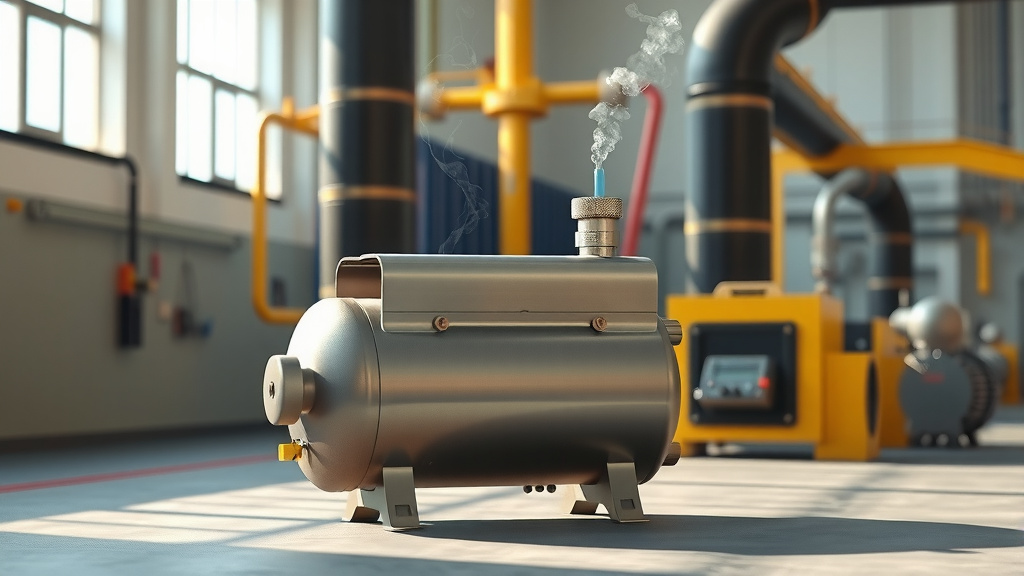
Yes, it is entirely normal for an air compressor to get hot during operation, as the compression process naturally generates significant heat.
This warmth is a byproduct of pressurizing air, but excessive heat can signal an underlying issue that needs your attention.
TL;DR: Quick Answers on Air Compressor Heat
- Air compressors naturally get warm while working.
- A warm casing is usually normal; too hot means trouble.
- Overheating can stem from poor ventilation or low oil.
- Burning smells or automatic shutdowns are red flags.
- Regular care prevents overheating and ensures safe use.
Is It Normal For Air Compressor To Get Hot?
Have you ever touched your air compressor after a job and found it warm, maybe even quite hot? This is a common experience. We found that some heat generation is a normal part of how these machines operate (Air Compressor Association). Think of it like your car engine; it gets warm when working, right?
Why Do Air Compressors Get Hot?
So, why does your air compressor warm up? It’s mainly due to physics. When air gets squeezed into a smaller space, its temperature naturally rises. This is a basic principle of how gases behave. It takes energy to force air into a tighter volume. Much of this energy converts into heat, which then radiates from the compressor’s parts. Research connects compression work directly to temperature increases (Journal of Fluid Mechanics).
Plus, your unit has many moving parts: pistons, belts, motors. All this movement creates friction. Even with lubrication, this friction generates heat. It’s similar to rubbing your hands together quickly. These internal moving components add to the overall warmth you feel.
When Is “Hot” Too Hot?
Knowing some heat is normal is good, but how do you know if it’s too much? A warm casing is usually fine. However, a compressor that feels searing hot, or shuts down unexpectedly, often signals trouble.
What’s a normal temperature? Most compressors work best within certain limits. Many experts say a motor running up to 150-180°F (65-82°C) is often acceptable, but it varies by model. The key is that the heat should be manageable and not alarming.
Your compressor will give you hints when something is wrong. Watch for these signs:
- A burning smell (like rubber or oil).
- The compressor shuts off by itself.
- Smoke coming from the motor or pump.
- Less air output or poor performance.
- The unit is too hot to comfortably touch.
Common Causes of Overheating
If your air compressor is unusually hot, there’s often a clear reason. Fixing these common issues can prevent bigger problems. We’ve found these problems often relate to maintenance or setup.
Lack of Proper Ventilation
Air compressors need air circulation! If your unit is in a small, enclosed space without good airflow, heat gets trapped. This leads to overheating quickly. Ensure there’s plenty of open space around your unit for air to move freely.
Low Oil Levels or Wrong Oil Type
For oil-lubricated compressors, oil cools as well as lubricates. If the oil level is low or the wrong type, the compressor can’t get rid of heat well. Always check oil levels regularly. Use the manufacturer’s recommended oil for best results. Many guidelines point to checking oil before each use (Compressor Maintenance Guide).
Dirty Air Filters
Your air filter is like your compressor’s lungs. A clogged filter restricts air intake to the pump. This makes the motor work harder, causing more heat. A simple filter check and replacement can help a lot. We found that neglecting air filters is a frequent cause of heat buildup.
Worn-Out Components
Parts wear out over time. Bearings can fail, pistons become less efficient. These issues create more friction and strain, making the compressor work harder and generate more heat. If your older compressor always runs hot, get it inspected. Aging parts naturally lose efficiency.
Extended Run Times
Every air compressor has a “duty cycle,” a safe run time limit. Running it continuously for too long, especially smaller models, pushes it past its limits. It just doesn’t get enough time to cool down. Give your compressor breaks; it needs rest just like you do!
| Heat Type | What It Feels Like | Common Signs | Action Needed |
|---|---|---|---|
| Normal Warmth | Warm to hot, but not searing. | No strange smells, steady performance. | None, continue using. |
| Excessive Heat | Too hot to touch, burning odors, smoke. | Auto shutdowns, less air, loud noises. | Stop immediately, find issue, repair. |
Practical Solutions to Prevent Overheating
Okay, so your compressor is too hot. What can you do to cool it down and prevent future problems? The fixes are often simple. Here are some quick steps.
Overheating Prevention Checklist:
- Ensure ample ventilation space around the compressor.
- Regularly check and maintain proper oil levels.
- Replace dirty air filters promptly.
- Avoid exceeding the recommended duty cycle.
- Keep the compressor clean and free of debris.
- Monitor for unusual noises or smells during operation.
Maintaining Your Compressor for Optimal Temperature
Preventative maintenance keeps your air compressor running cool and happy. A little effort now saves you from bigger issues later. Consider it your compressor’s regular health check.
Dust, dirt, and debris trap heat by coating cooling fins and blocking air intakes. Periodically blow off your compressor. A clean machine runs cooler. We found that keeping the exterior clean dramatically aids cooling.
For oil-lubricated units, oil is a key coolant. Check oil levels before each major use. Change the oil per your manufacturer’s schedule. Old, dirty oil loses its cooling ability. Using the correct oil type is vital (OEM manuals highlight this).
Replacing the air filter is often the easiest and cheapest fix. A clean filter lets your compressor breathe easily. Check your filter often, especially in dusty areas. A new filter improves performance and reduces heat. A fresh filter is like a breath of fresh air for your machine.
Conclusion
Is it normal for your air compressor to get hot? Yes, it absolutely is. Some warmth means it’s working hard. But like a fever, excessive heat signals a problem. By understanding why heat happens and spotting overheating signs, you can act early. Regular maintenance, proper setup, and paying attention to your compressor’s cues will help it run efficiently, safely, and at a healthy temperature for years. Take care of your compressor, and it will take care of your tasks.
What causes an air compressor to overheat and shut off?
An air compressor often overheats and shuts off due to issues like poor ventilation, low or incorrect oil, a clogged air filter, or running too long past its recommended duty cycle. Worn internal parts can also create extra friction, triggering a safety shutdown.
Can low oil cause an air compressor to overheat?
Yes, definitely. In oil-lubricated compressors, oil both lubricates and cools. If the oil level is too low, or if the oil is old and dirty, it can’t properly get rid of the heat from friction and compression. This leads to much higher temperatures and potential overheating.
How hot should an air compressor get?
A typical air compressor’s pump and motor can reach 150-180°F (65-82°C) during normal use, and the tank might feel warm. However, it shouldn’t be so hot that you can’t touch it briefly, nor should it emit burning smells or smoke. Extreme heat always indicates a problem.
Does running an air compressor continuously damage it?
Running an air compressor continuously, especially smaller models, can cause damage over time. Most units have a duty cycle limit; exceeding this doesn’t allow parts enough time to cool. This constant stress can lead to faster wear, overheating, and eventual failure of the pump or motor.
How can I improve the ventilation for my air compressor?
To improve ventilation, place your compressor in an open spot with at least 12-18 inches of clear space on all sides, especially near air vents. Avoid tight corners or small closets where heat gets trapped. In very warm, enclosed workshops, a fan can help move air around the unit.
