
Is It Okay To Leave Air Compressor Pressurized?
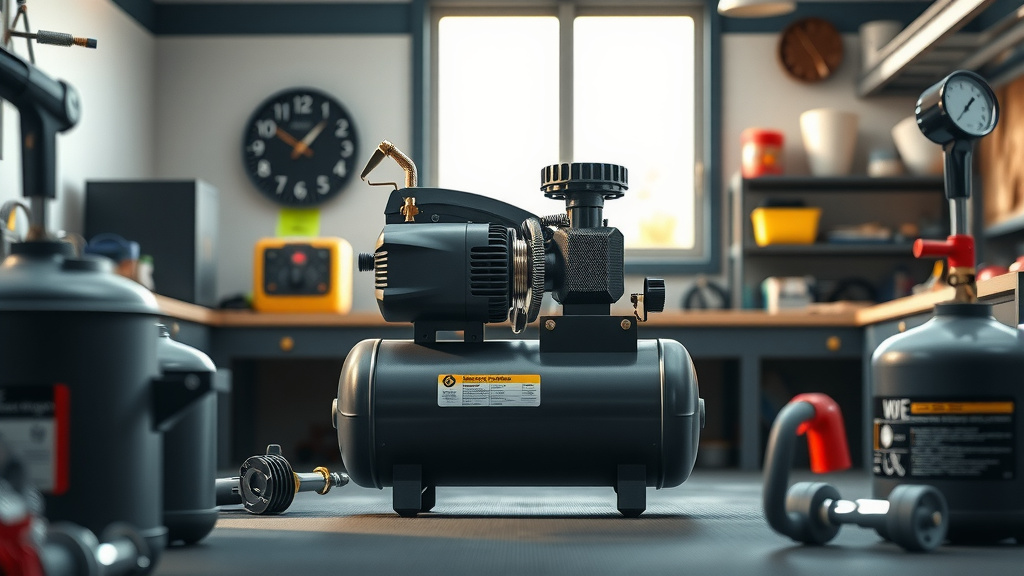
Generally, it is not recommended to leave an air compressor pressurized for extended periods because it can stress internal components and potentially lead to air leaks over time.
While a brief period might not cause immediate harm, regularly releasing pressure helps maintain the compressor’s longevity and safety.
- Regularly releasing air pressure extends your compressor’s life.
- Leaving it pressurized can stress seals and components, causing leaks.
- Always drain moisture from the tank after use to prevent rust.
- For safety, always turn off the compressor and bleed the tank when done.
- Follow your compressor’s owner’s manual guidelines for best practice.
Is It Okay To Leave Air Compressor Pressurized?
No, it’s generally not a good practice to leave your air compressor pressurized for long periods. Doing so can put unnecessary strain on its components and seals.
You might wonder if it’s truly a big deal to leave your air compressor tank full of air. Many people do it, right? But what if we told you that consistently doing so could shorten your compressor’s lifespan and even pose a safety risk? Let’s explore why.
The Hidden Strain on Your Compressor
Imagine holding your breath for a very long time. That’s a bit like what happens to your air compressor when it stays pressurized. Its internal components, especially the seals and valves, are constantly under stress. This constant pressure can lead to premature wear and tear.
We found that experts often recommend depressurizing the tank after each use. Why? Because the continuous force on the gaskets and O-rings can cause them to harden, crack, or lose their elasticity. Over time, this leads to annoying and wasteful air leaks. No one wants to hear that slow hiss of escaping air!
The Risk of Air Leaks
A small leak might seem minor, but it can make your compressor work harder and run longer to maintain pressure. This uses more electricity and puts more strain on the motor. It’s like having a tiny hole in your bicycle tire that you have to keep pumping up. Eventually, that little leak can become a bigger, more costly problem.
Safety First: A Pressurized Tank is a Potential Hazard
Think of your air compressor’s tank as a pressure vessel. When it’s pressurized, it stores a lot of potential energy. Leaving it pressurized when unattended can carry certain risks.
One concern is the possibility of an accidental start-up. If the compressor is left plugged in and the pressure drops below a certain point, it might automatically cycle on. This could be a surprise if you’re not expecting it, or if someone else is nearby. Many experts say it’s always best to remove the power source and relieve pressure when not in use (Occupational Safety and Health Administration).
Unexpected Component Failure
While rare with well-maintained units, a sudden failure of a hose or fitting under pressure can be dangerous. Releasing the pressure minimizes this risk, ensuring your work area is safer for you and others. Why take the chance when a simple action can prevent it?
Moisture and Rust: The Silent Killers
Every time your compressor runs, it pulls moisture from the air. This moisture condenses inside the tank. If you leave the tank pressurized, that water sits there, accelerating rust formation.
Rust weakens the tank’s metal over time, compromising its structural integrity. A rusted tank is a major safety concern. Draining the tank after each use, especially after depressurizing, is a crucial step in preventing this.
- Corrosion acceleration: Water trapped under pressure speeds up rust.
- Tank weakening: Rust thins the tank walls, increasing rupture risk.
- Valve clogging: Rust particles can clog relief valves and drains.
When is it Okay to Leave it Pressurized?
Is there ever a time it’s okay? For very brief periods, like an overnight pause during a multi-day project, it might not cause immediate harm. However, even then, many professionals advocate for a full depressurization and drain. For most home users and casual projects, the habit of releasing pressure is the safest and best practice.
Your Compressor’s Lifespan: A Simple Choice
You want your tools to last, right? Taking a few extra minutes to properly shut down your air compressor can significantly extend its operational life. It reduces stress on parts, prevents leaks, and safeguards against rust.
Consider it an act of care for your investment. Just like you wouldn’t leave your car running in the garage for days, you shouldn’t leave your compressor under pressure. It’s about proactive maintenance.
Here’s a quick comparison to help you visualize the trade-offs:
| Condition | Pressurized (Long-Term) | Depressurized (After Use) |
|---|---|---|
| Component Stress | High (seals, valves constantly strained) | Low (components are relaxed) |
| Leak Risk | Increased (seals harden, crack) | Reduced (seals last longer) |
| Rust Potential | High (trapped moisture) | Low (moisture drained) |
| Safety Concerns | Elevated (accidental start, vessel pressure) | Minimal (tank is inert) |
| Power Consumption | Higher (if leaks present, re-pressurizes) | Zero (when off and drained) |
| Compressor Lifespan | Potentially shortened | Extended and optimized |
The Proper Shutdown Checklist
So, what’s the right way to turn off your compressor? It’s simpler than you might think! Follow these steps every time you’re done using it:
- Turn off the power: Flip the compressor’s power switch to the “off” position.
- Unplug the unit: Disconnect the power cord from the electrical outlet. This prevents any accidental restarts.
- Bleed the air: Open the drain valve or pull the pressure relief ring on the tank to release all the compressed air. You’ll hear a distinct hissing sound.
- Drain the moisture: Once all the air is out, tilt the tank slightly or ensure the drain valve is at the lowest point to let any accumulated water escape. Close the drain valve after the water stops.
- Store properly: Store your compressor in a clean, dry place, ready for its next use.
Following this checklist will keep your compressor in top shape, saving you headaches and potential repair costs down the road. It’s a small effort for a big payoff in reliability.
Conclusion
While the temptation to just walk away from a pressurized air compressor might be strong, the benefits of depressurizing it after each use are clear. You’ll prolong the life of your equipment, prevent costly air leaks, and significantly reduce safety risks. It’s about taking care of your tools so they can take care of your projects. Make it a habit to turn off, unplug, and drain – your compressor (and your wallet) will thank you.
Is it bad to leave air in an air compressor?
Yes, it’s generally considered bad practice to leave air in an air compressor for extended periods. This can put continuous stress on internal components like seals and valves, leading to premature wear, air leaks, and potential safety hazards. It also allows moisture to sit in the tank, promoting rust.
How long can you leave air in an air compressor tank?
Ideally, you should not leave air in an air compressor tank longer than necessary after use. While a few hours or overnight might not cause immediate damage, it’s best to make a habit of depressurizing and draining the tank after each work session to ensure longevity and safety.
Should I drain my air compressor after every use?
Yes, many manufacturers and experts recommend draining your air compressor after every use. This process removes condensed moisture from the tank, which is crucial for preventing rust and corrosion, thereby extending the tank’s life and maintaining its safe operation.
What happens if you don’t drain your air compressor?
If you don’t regularly drain your air compressor, moisture will accumulate inside the tank. This water promotes rust and corrosion, which can weaken the tank walls over time and potentially lead to dangerous ruptures. It can also lead to rust particles being carried into your air tools, causing damage.
Does an air compressor use more electricity if left pressurized?
If an air compressor is left plugged in and pressurized, especially with minor leaks, it may cycle on periodically to maintain the pressure, thereby consuming more electricity. Even without leaks, leaving it pressurized puts components under strain, which can indirectly lead to more energy use in the long run due to increased wear and tear or inefficiencies.
