
Should I Leave My Air Compressor Pressurized?
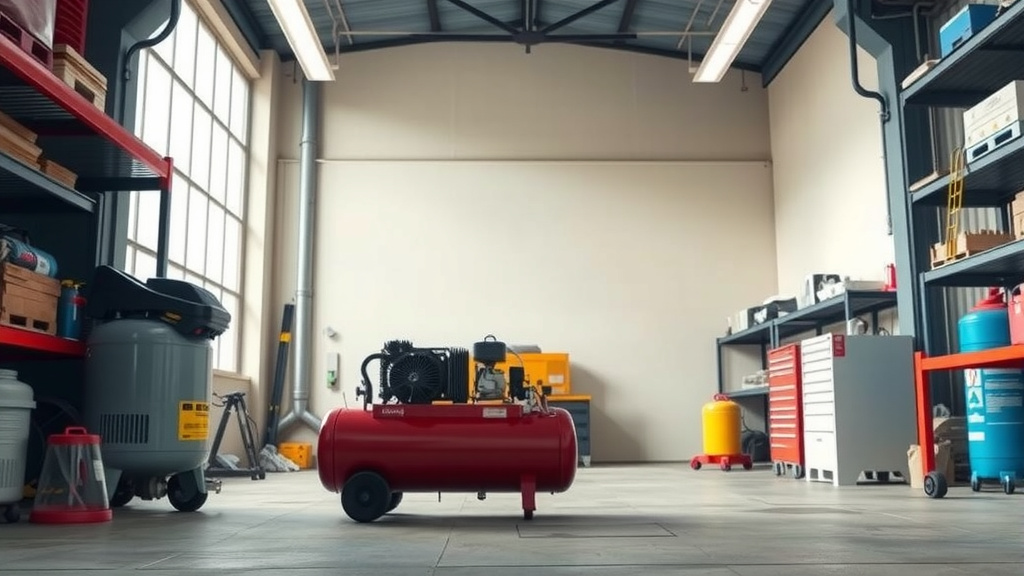
No, you should generally not leave your air compressor pressurized, especially for extended periods like overnight or when unattended.
Depressurizing your air compressor after each use helps ensure safety, extends equipment lifespan, and conserves energy.
- It’s best practice to always depressurize your air compressor after you finish using it.
- Leaving pressure in the tank can stress components and create a safety risk.
- You’ll save energy and reduce potential wear and tear on your valuable equipment.
- Always check your manufacturer’s instructions for specific model advice.
Should I Leave My Air Compressor Pressurized?
When you finish a project, it is a sound practice to always depressurize your air compressor. This simple step protects your equipment and keeps you safe.
Why Is This Even a Question?
Many users wonder about this, especially after a long day of work. It seems easier to just walk away and let it sit, doesn’t it? Yet, making this choice could lead to bigger troubles later.
The “Always Ready” Temptation
You might think leaving it pressurized keeps it ready for the next job. Just plug in your tool and go, right? However, this convenience comes with potential drawbacks that you should know about.
Risks of Leaving Your Compressor Pressurized
Leaving compressed air in the tank for long periods can cause problems. It is not just about a little bit of air; it is about the constant force inside that tank.
Safety Concerns: A Silent Threat?
A pressurized tank is always under stress. Even small leaks or component failures could turn into a serious issue (OSHA safety guidelines). You never want to risk an unexpected tank rupture or uncontrolled air release.
Wear and Tear: The Hidden Cost
Components like seals, valves, and hoses are constantly strained when pressurized. Over time, this constant pressure can speed up their degradation. This means more frequent repairs or replacements for you.
Energy Waste: Wallet Worries
Even if you don’t hear a hiss, tiny air leaks can occur. These small leaks mean your compressor might cycle on periodically to maintain pressure. This wastes electricity and adds to your utility bill without you even knowing it.
Benefits of Depressurizing Your Air Compressor
Taking a few moments to depressurize your compressor offers several clear advantages. Think of it as a small investment for long-term gains.
Extending Its Lifespan
By releasing the pressure, you allow all the components to relax. This reduces stress on the motor, pump, and tank itself. We found this practice significantly prolongs the operational life of your unit.
Saving on Your Electric Bill
No stored pressure means no unexpected cycling. Your compressor won’t turn on in the middle of the night to replace lost air. This simple habit can lead to noticeable savings on your electricity costs.
Peace of Mind: Knowing It’s Safe
When you vent the air, you eliminate the risk of a pressurized tank sitting idle. You can rest assured that your garage or workshop is safer when the equipment is stored properly (manufacturer recommendations often advise this).
When Might You Leave It Pressurized (Briefly)?
There are rare situations where you might leave it pressurized, but only for very short periods. These are exceptions, not the rule.
Short Breaks vs. Overnight
If you’re stepping away for just a few minutes, like grabbing a drink, leaving it pressurized is probably fine. For anything longer than 30 minutes to an hour, or especially overnight, always depressurize it.
Your Daily Air Compressor Checklist
A short routine can make all the difference. Follow these steps after each use to keep your compressor in top shape.
- Turn off the power to the compressor.
- Disconnect any air tools you were using.
- Open the drain valve at the bottom of the tank to release moisture and air.
- If your compressor has a pressure release valve, activate it to vent any remaining air.
- Close the drain valve once all air and moisture are expelled.
Manufacturer Guidelines Matter
Every air compressor is a bit different. Always refer to your unit’s instruction manual. We found that most manuals recommend depressurizing and draining condensation after use.
Comparing Pressurized vs. Depressurized Storage
Let’s look at the basic differences when considering how you store your compressor.
| Feature | Left Pressurized | Depressurized |
|---|---|---|
| Safety Risk | Higher (due to constant tank stress) | Lower (tank is relaxed) |
| Component Wear | Increased stress on seals/valves | Reduced stress, longer component life |
| Energy Consumption | Potential for phantom cycling, wasted energy | No wasted energy from maintaining pressure |
| Moisture Build-up | Can trap moisture, leading to rust | Draining air often drains moisture, prevents rust |
| Readiness for Next Use | Instant, but at a cost | Requires brief start-up, safer in long run |
Conclusion
While it might seem convenient to leave your air compressor pressurized, the minor time saving doesn’t outweigh the risks. Depressurizing your unit after each use is a simple, smart habit. It enhances safety, reduces wear and tear, and saves you money on electricity. Treat your compressor well, and it will serve you reliably for many years.
How often should I drain the air compressor tank?
You should drain your air compressor tank after every use to release condensed moisture. This prevents rust inside the tank, which can weaken it and contaminate your air tools. Many experts agree this is a critical maintenance step.
Can a pressurized air tank explode?
While rare with modern safety features, a severely corroded or damaged pressurized air tank can rupture or explode. This risk is why manufacturers emphasize regular maintenance, including depressurizing and draining.
Does leaving an air compressor pressurized damage the motor?
Leaving an air compressor pressurized doesn’t directly damage the motor, but it can cause the motor to cycle on unexpectedly if there are small leaks. This unnecessary cycling uses electricity and can shorten the motor’s lifespan over time due to extra start-stop cycles.
What is the safest way to store an air compressor?
The safest way to store an air compressor is with the tank completely depressurized and drained of moisture. Store it in a clean, dry area, protected from extreme temperatures. Disconnect it from power and ensure all valves are closed after venting.
Is it bad to leave air in the lines of my tools?
It’s generally not ideal to leave air in the lines connected to your tools for long periods. This keeps the hose and tool components under unnecessary pressure, which can cause premature wear on seals and fittings. Always disconnect your air tools and vent the lines.
