
What Is Lpm In Air Compressor?
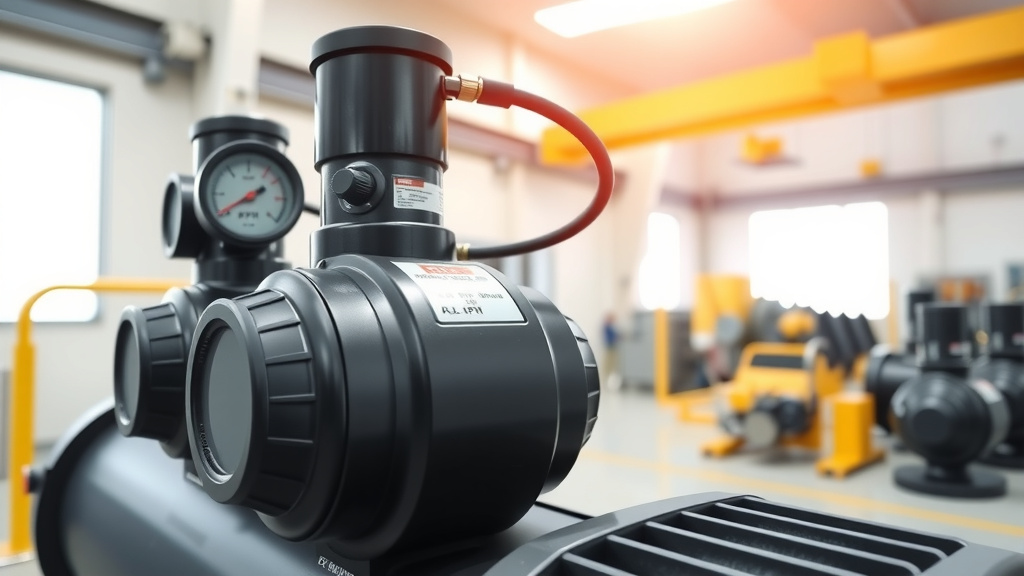
LPM in an air compressor stands for Liters Per Minute, measuring the volume of air an air compressor delivers each minute.
Understanding an air compressor’s LPM helps you choose the right machine for your tools, ensuring they receive enough airflow to operate efficiently.
- LPM (Liters Per Minute) tells you how much air your compressor can produce.
- It’s vital for matching your air compressor to your air tools’ specific needs.
- Higher LPM means more airflow, making it suitable for demanding, continuous tasks.
- Always check your air tool’s air requirements before selecting a compressor.
- LPM and CFM are both measures of air volume, simply using different units.
What Is Lpm In Air Compressor?
LPM, or Liters Per Minute, is a key measurement for air compressors. It quantifies how much air, in liters, your compressor can deliver every sixty seconds. Think of it like the flow rate of water from a faucet.
This number helps you understand the continuous air supply an air compressor provides. It’s crucial for tools that need a steady, ongoing stream of air to function correctly.
Why Does LPM Matter for Your Air Compressor?
Imagine trying to inflate a large swimming pool float with a tiny hand pump. It would take forever, right? The same idea applies to air tools.
If your air compressor doesn’t deliver enough LPM, your tools will struggle to perform. They might run slowly, inefficiently, or even stop working altogether. Your projects will take longer, and you might get frustrated.
Matching Your Air Compressor to Your Tools
Every air tool, from impact wrenches to paint sprayers, has a specific air requirement. This requirement is often listed in LPM (or CFM, which we’ll cover soon) on the tool’s packaging or manual.
Your compressor’s LPM should always meet or exceed the highest requirement of the tools you plan to use. This ensures a smooth and powerful operation, letting you get the job done right.
Understanding Your Workflow
Consider how you’ll use your air tools. Are you tackling a quick tire inflation, or will you be using a sander for an hour straight?
Tools that run continuously, like grinders or sanders, demand a much higher continuous LPM output from your compressor. Intermittent tools, like nail guns, have different needs.
LPM vs. CFM: What’s the Difference?
You might also see “CFM” when researching air compressors. CFM stands for Cubic Feet Per Minute. Both LPM and CFM measure the volume of air delivered per minute.
They are simply different units of measurement, like inches versus centimeters. CFM is more commonly used in North America, while LPM is often found in other parts of the world.
Quick Conversion: LPM to CFM
Converting between LPM and CFM is straightforward if you need to compare specifications. We found that 1 CFM is approximately equal to 28.32 LPM. So, if a tool needs 5 CFM, it would require about 141.6 LPM.
Conversely, if a compressor provides 100 LPM, you can divide that by 28.32 to get roughly 3.53 CFM. Keep a calculator handy or use an online converter for quick checks (Many experts say).
Finding Your Air Tool’s Airflow Needs
Before buying an air compressor, always check the air consumption of your specific air tools. This information is usually found on the tool itself, in the manual, or on the manufacturer’s website.
Look for terms like “air consumption,” “airflow requirement,” or “CFM/LPM at X PSI.” This number is your guide to picking the right compressor size.
Common Air Tool LPM Requirements
Here’s a general idea of LPM requirements for some common air tools. Remember, these are approximations, and your specific tool might differ.
| Air Tool Type | Approximate LPM (at 90 PSI) |
|---|---|
| Nail Gun / Stapler | 50 – 100 LPM (intermittent) |
| Impact Wrench | 150 – 250 LPM |
| Die Grinder | 180 – 300 LPM |
| Orbital Sander | 200 – 400 LPM |
| Paint Sprayer | 300 – 600 LPM |
Factors Affecting an Air Compressor’s LPM Output
Not all air compressors are created equal. Several factors determine how much LPM they can actually produce. It’s not just about the numbers printed on the box.
Things like the compressor’s motor, pump design, and even its operating pressure play a big role. Understanding these helps you make a better choice.
Motor Horsepower and Pump Design
The motor’s horsepower (HP) directly influences the pump’s ability to compress air. A stronger motor generally means a higher LPM output because it can drive the pump more efficiently.
The design of the pump itself also matters. Some pumps are designed for higher volume, others for higher pressure. We found that multi-stage pumps can often deliver more consistent air volume (Industrial Air Power Report).
Tank Size and LPM: A Common Misconception
Many people think a larger tank means more LPM. This isn’t quite right. The tank size simply determines how much compressed air can be stored, not how fast it’s produced.
A larger tank will let you use high-LPM tools for a longer period before the compressor kicks on again. But it won’t increase the compressor’s actual LPM output rate, which is the rate of air generation.
How to Calculate Your Required Compressor LPM
To find the ideal LPM for your compressor, list all the air tools you plan to use. Identify the tool with the highest continuous LPM requirement.
If you plan to run multiple tools simultaneously, add their LPM requirements together. This sum represents your total air consumption. Most experts recommend adding a safety margin.
The Importance of a Safety Margin
It’s always a good idea to aim for a compressor with an LPM rating that is about 1.5 times the highest or combined LPM you calculated. So, if your highest tool needs 200 LPM, look for a compressor with at least 300 LPM.
This “safety margin” ensures your compressor isn’t constantly running at its maximum capacity. It helps prevent overheating, extends the compressor’s lifespan, and allows for fluctuations in tool demand.
Tips for Optimizing Your Air Compressor’s Performance
Getting the right compressor is just the first step. You also want to keep it running smoothly to maintain its LPM output. Regular maintenance makes a big difference.
Think of it like car maintenance; skipping it can lead to poor performance and unexpected problems. A well-maintained compressor will always deliver its best.
Regular Maintenance Checklist
- Check and drain the air tank regularly to prevent rust and water buildup.
- Inspect air filters and clean or replace them when they appear dirty.
- Monitor oil levels in oil-lubricated compressors and top up as needed.
- Listen for unusual noises, which could indicate a problem developing.
- Check air lines and connections for leaks; even small leaks waste air.
Conclusion
Understanding LPM is fundamental to choosing and using an air compressor effectively. It’s the metric that tells you how much work your compressor can truly support, helping you avoid frustrating slowdowns and underpowered tools. By matching your compressor’s LPM to your tool requirements, and factoring in a sensible safety margin, you ensure a powerful and efficient workflow. Keep your compressor well-maintained, and it will serve your projects reliably for years to come. Remember, the right LPM means the right power for your tasks.
How do I convert my air tool’s CFM to LPM?
To convert CFM (Cubic Feet Per Minute) to LPM (Liters Per Minute), you can multiply the CFM value by 28.32. For example, if your tool requires 4 CFM, you would calculate 4 * 28.32, which equals approximately 113.28 LPM.
Can a compressor with too low LPM damage my air tools?
While a compressor with too low LPM won’t directly “damage” your air tools in a destructive sense, it will cause them to operate inefficiently or fail to perform their intended function. This can lead to premature wear on the tool due to being underpowered, increase your project time, and cause frustration. It’s like trying to run a powerful engine on too little fuel.
Does air pressure (PSI) relate to LPM?
Yes, PSI (Pounds per Square Inch) and LPM are related, though they measure different things. PSI measures the force of the air, while LPM measures the volume. Compressor manufacturers usually specify LPM at a certain PSI (e.g., “5 CFM at 90 PSI”). This means the compressor delivers that volume of air when maintaining that specific pressure. As pressure demands increase, LPM output can sometimes decrease if the compressor struggles to keep up.
Is a higher LPM always better for an air compressor?
Not always. While a higher LPM generally means more available air for tools, it often comes with a larger, heavier, and more expensive compressor. It’s best to choose an LPM that meets your specific tool requirements plus a safety margin, rather than simply buying the highest LPM available. Over-specifying can lead to unnecessary costs and bulk, especially for small, occasional tasks.
Where can I find the LPM rating on my air compressor?
You can usually find the LPM (or CFM) rating on a label or plate attached to the air compressor itself, often near the motor or tank. If it’s not directly listed in LPM, it will almost certainly be in CFM, which you can easily convert. If you can’t find it there, check the compressor’s user manual or the manufacturer’s official website by searching for your specific model number.
