
What Is The Difference Between Simplex And Duplex Air Compressors?
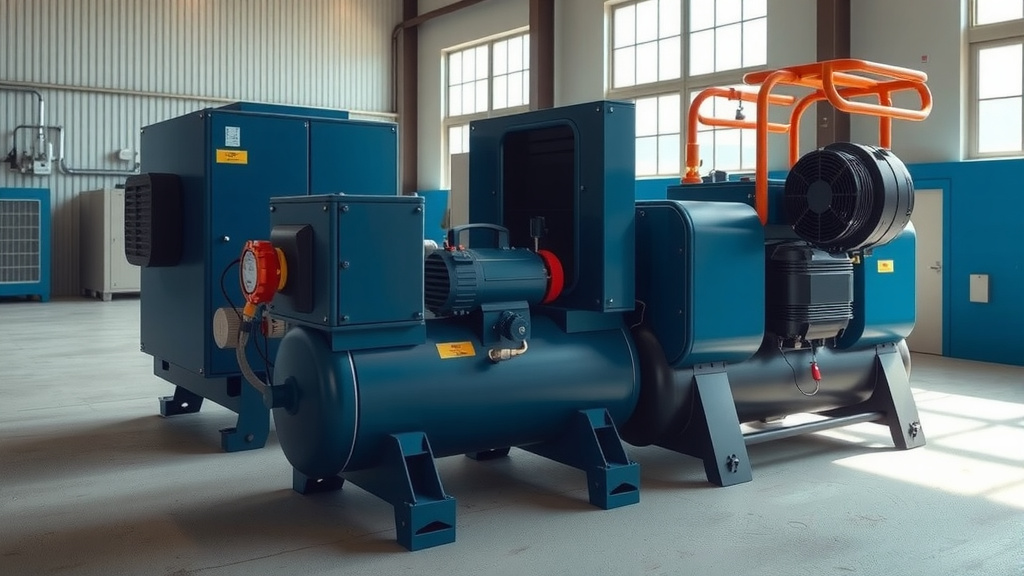
The main difference between simplex and duplex air compressors lies in their number of compressor pumps. A simplex unit has one pump, while a duplex unit features two pumps operating together or independently.
Duplex air compressors provide increased airflow, built-in redundancy, and better efficiency for fluctuating demands compared to simplex models, which are simpler and better suited for consistent, lighter air needs.
- A simplex air compressor uses a single pump for basic air power.
- A duplex air compressor has two pumps, offering more air and backup.
- Choose simplex for small, consistent tasks; duplex for bigger, varying needs.
- Duplex systems often save energy and extend equipment life by cycling pumps.
- Consider your air demand and need for reliability when making your choice.
What Is The Difference Between Simplex And Duplex Air Compressors?
The core distinction is simple: a simplex system uses one compressor pump, and a duplex system uses two. This fundamental setup impacts how each compressor delivers air and handles your operational demands.
Understanding Simplex Air Compressors
Think of a simplex air compressor as a solo performer. It has one motor driving one compressor pump and one air receiver tank. It’s a straightforward setup, designed to meet a specific air demand.
How Simplex Works
When you need compressed air, the single motor kicks on, the pump starts compressing, and air fills the tank. Once it reaches a set pressure, the motor stops. It cycles on again when the pressure drops, maintaining your supply.
This design is reliable for many standard uses. We found that simplex systems are often the workhorse in many small to medium-sized applications (Compressed Air & Gas Institute).
Best Uses for Simplex Compressors
Simplex compressors shine in situations with consistent, predictable air needs. Are you running a few pneumatic tools in a home garage? Or perhaps a small auto body shop with regular paint sprayers?
They are fantastic for applications where you don’t need continuous, heavy air flow. Many experts say they are ideal for intermittent use or small, dedicated processes.
Understanding Duplex Air Compressors
Now, imagine a dynamic duo. A duplex air compressor has two separate compressor pumps, each with its own motor, connected to a single, often larger, air receiver tank. This twin setup offers flexibility.
How Duplex Works
With a duplex system, the compressors can work together or independently. When air demand is low, only one pump might run. If demand rises, the second pump can automatically kick in to provide more air. This staging capability is a big plus.
Research often connects duplex systems with better load management. They can balance the workload, preventing a single pump from overheating or wearing out too quickly (Gardner Denver research).
Best Uses for Duplex Compressors
Duplex compressors are perfect when your air demand fluctuates throughout the day. Do you have peak times where many tools are running, followed by quieter periods? This system adapts beautifully.
They are also a smart choice for operations where uptime is critical. If one pump fails, the other can often keep your operations going, avoiding costly downtime. Many manufacturers use these for this reason.
Why Does This Difference Matter for You?
Choosing between simplex and duplex isn’t just about the number of pumps. It’s about matching the compressor to your specific needs, saving you money, and preventing headaches down the line.
Capacity and Airflow
A duplex system naturally offers higher potential airflow (CFM) than a comparable simplex unit. This means more air for more tools or larger machinery. If your processes require significant air volume, a duplex might be your friend.
Redundancy and Reliability
This is where duplex systems truly stand out. Having two pumps provides built-in redundancy. If one pump needs service or goes down, the other can continue operating, preventing a full halt to your work.
For applications where even a brief shutdown is expensive, this fail-safe mechanism is incredibly valuable.
Energy Efficiency
You might think two motors use more energy, right? Not necessarily. For fluctuating air demands, a duplex system can be more efficient. Instead of one large pump constantly cycling on and off, the duplex can run just one pump during low demand.
This “stage loading” means the pumps operate closer to their optimal efficiency, potentially leading to lower energy bills over time. We found this to be a common benefit mentioned by users.
Noise Levels
While often dependent on the specific model and type (piston vs. rotary screw), having two pumps can sometimes lead to different noise profiles. If only one pump is running, the noise might be lower than if a single, larger pump was straining to meet the same demand. Consider the impact on your work environment.
Key Considerations Before Choosing
Before you make a decision, take a moment to weigh these practical aspects. It’s like picking the right tool for a job; the best fit makes all the difference.
| Feature | Simplex Air Compressor | Duplex Air Compressor |
|---|---|---|
| Number of Pumps | 1 | 2 |
| Air Output (CFM) | Lower to Moderate | Higher to Very High |
| Redundancy | None (single point of failure) | Built-in (one can run if other fails) |
| Energy Efficiency | Good for consistent demand | Better for fluctuating demand |
| Initial Cost | Generally lower | Generally higher |
| Maintenance | Simpler, less frequent | More complex, but allows scheduled downtime |
| Space Requirement | Less space needed | More space required |
Your Air Needs Checklist
Ask yourself these questions:
- How much compressed air (CFM) do you truly need?
- Does your air demand stay steady or does it change often?
- How critical is continuous operation for your business?
- What is your budget for initial purchase and running costs?
- How much space do you have for the compressor?
Understanding Your Application is Key
The type of work you do directly influences which compressor is right for you. It’s like knowing if you need a screwdriver or a wrench.
Small Workshops
For a small workshop using air for occasional impact wrenches, nail guns, or tire inflation, a simplex unit is often sufficient. It’s cost-effective and reliable for those less demanding tasks.
Manufacturing Plants
In a manufacturing setting with automated machinery, pneumatic cylinders, and continuous production lines, a duplex system is usually preferred. The redundancy and variable output prevent costly production stoppages.
Automotive Shops
An automotive repair shop with multiple bays, paint booths, and regular tire services often benefits from a duplex. It can handle several technicians using air tools simultaneously, plus the air for lifts and inflation. The ability to scale with demand is a major advantage.
Installation and Maintenance Thoughts
Beyond the technical specs, consider the practicalities once the compressor arrives at your doorstep.
Space Requirements
Generally, a duplex system will require more floor space than a simplex system of similar overall capacity. This is due to the additional pump and motor components. Make sure you have enough room to operate and maintain it safely.
Servicing Needs
While duplex systems have more components, they offer a maintenance advantage. You can often take one pump offline for routine service or repair while the other continues to supply air. This means less disruption to your workflow.
Many guidelines point to preventive maintenance as a good step for longevity (OSHA recommendations for industrial equipment).
Conclusion
Choosing between a simplex and duplex air compressor boils down to your specific operational needs. If your air demand is consistent and you don’t require redundancy, a simplex unit offers a straightforward, economical solution. For fluctuating air demands, critical operations, and enhanced energy efficiency, a duplex system provides greater flexibility, reliability, and peace of mind. By carefully considering your air volume needs, budget, space, and the importance of uninterrupted air supply, you can confidently select the compressor that will best serve your business for years to come.
What are the typical applications for simplex air compressors?
Simplex air compressors are typically used in smaller settings like home garages, light-duty workshops, and for tasks requiring intermittent air use such as running a single impact wrench, operating small pneumatic tools, or inflating tires. They are ideal when constant, heavy airflow is not a primary requirement.
Can a duplex air compressor save energy?
Yes, a duplex air compressor can be more energy-efficient, especially when air demand fluctuates. Instead of one large compressor constantly cycling, a duplex system can operate just one pump during low demand periods and engage the second pump only when more air is needed. This allows the compressors to run closer to their optimal efficiency, which can lead to energy savings.
Is a duplex compressor always better than a simplex one?
Not always. While duplex compressors offer more capacity and redundancy, they also come with a higher initial cost and require more space. A simplex compressor is often the better choice for applications with consistent, lower air demands where the added features of a duplex system would be unnecessary and uneconomical.
What happens if one pump fails in a duplex system?
If one pump fails in a duplex air compressor system, the other pump can often continue to operate, supplying compressed air to your facility. This built-in redundancy is a significant advantage, allowing you to maintain operations while the faulty pump is repaired or replaced, preventing costly downtime.
Do duplex air compressors require more maintenance?
Duplex compressors have two pumps and motors, so they technically have more components that require maintenance. However, the advantage is that you can often schedule maintenance for one pump while the other remains operational, minimizing disruption to your workflow. This can make maintenance more manageable in a critical environment.
