
What Is Working Pressure Of Air Compressor?
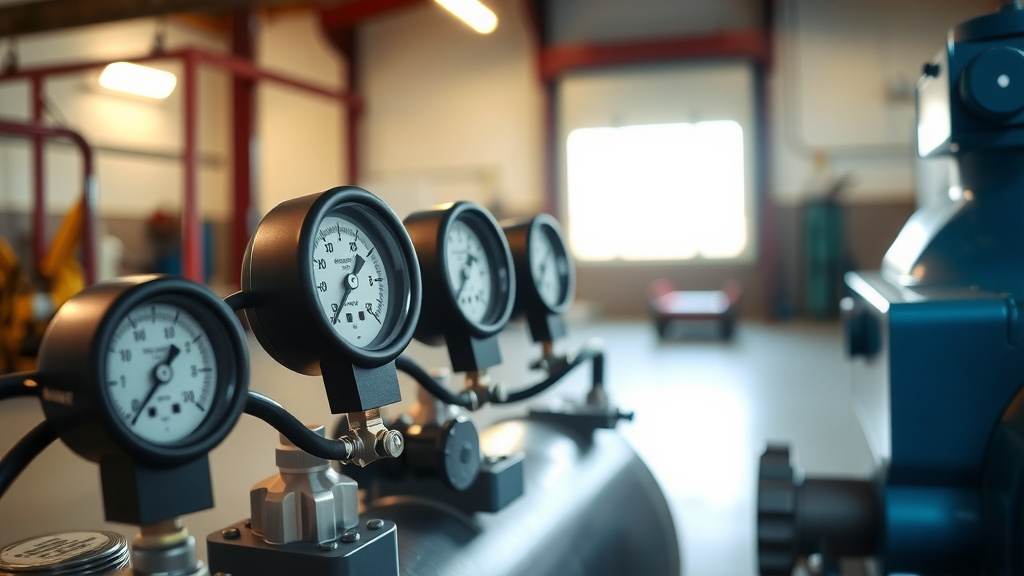
The working pressure of an air compressor is the continuous air pressure it can consistently deliver to operate your tools and equipment safely and effectively.
This constant pressure ensures your air tools perform as designed, preventing damage and maximizing efficiency during your projects.
- The working pressure is what your tools actually use, not just the peak pressure.
- It impacts tool performance, safety, and compressor lifespan significantly.
- Matching your compressor’s working pressure to your tool requirements is essential.
- Understanding this pressure helps you prevent tool damage and ensures efficient operation.
- Always check your tool’s PSI needs against your compressor’s sustained air output.
What Is Working Pressure Of Air Compressor?
The working pressure of an air compressor is the steady, consistent air output it provides for your applications. It’s the pressure you rely on day in and day out to get tasks done.
Think of it as the true operational output, rather than a quick burst or maximum limit. This is the sustained pressure that powers your air tools, from impact wrenches to paint guns.
Why Does Working Pressure Matter So Much?
Understanding working pressure isn’t just about technical jargon; it’s about safety and getting your work done right. It plays a big role in how well your tools perform and how long they last.
Ignoring this vital measurement can lead to frustration, broken tools, or worse, dangerous situations. It’s the heart of your compressed air system’s efficiency.
Safety First: A Critical Link
Operating tools with too little pressure can make them unreliable, while too much pressure can be dangerous. It could cause equipment failure or even a hose to burst.
Many safety guidelines (OSHA) recommend you always match pressures carefully. This protects both you and your equipment during any project.
Tool Performance: Getting the Job Done Right
Every air tool is designed to operate within a specific pressure range. If your compressor’s working pressure is too low, your tool will feel weak and won’t perform as expected.
Too much pressure can damage the tool internally, leading to costly repairs or a shorter lifespan. Finding that sweet spot of pressure makes all the difference.
Understanding Pressure Units: PSI and Bar
You’ll often see working pressure measured in PSI (pounds per square inch) or Bar. PSI is common in the US, while Bar is used more in Europe and other regions.
Knowing which unit your tools and compressor use helps you make accurate comparisons. One Bar equals about 14.5 PSI, so converting is easy when needed.
Working Pressure vs. Maximum Pressure: What’s the Difference?
It’s easy to confuse working pressure with maximum pressure. They sound similar, but they are quite distinct in how they apply to your air compressor.
Maximum pressure is the highest pressure your compressor can reach before its safety valve activates. Working pressure is what it consistently delivers during use.
Here’s a simple way to think about it:
| Feature | Working Pressure | Maximum Pressure |
|---|---|---|
| What it is | Steady, sustained output for tools. | Highest point before safety shut-off. |
| Used for | Operating air tools effectively. | Compressor design limit and safety. |
| Where to find | On the compressor regulator gauge. | Compressor label or manual. |
How Do You Find Your Compressor’s Working Pressure?
Locating your compressor’s working pressure is usually quite simple. You don’t need to be a technician to figure it out, just know where to look.
We found that checking a few key spots will give you all the information you need. This helps ensure your setup is ready to go.
Checking Your Compressor Specifications
Most air compressors have a data plate or sticker with their technical specifications. This label often lists the recommended operating pressure or a range.
You can also find this information in your compressor’s owner’s manual. It’s always a good idea to keep that manual handy for reference.
Reading Your Pressure Gauge
Your compressor will have at least one pressure gauge. The gauge typically on the output side, near the regulator, shows the current working pressure being supplied to your air hose.
This gauge allows you to monitor and adjust the pressure in real-time. It’s your immediate feedback on what your tools are receiving.
Adjusting Working Pressure: Your Regulator is Key
Most air compressors come with a regulator. This handy device lets you control the output pressure of the air leaving the tank and going to your tools.
Simply turn the knob on the regulator to increase or decrease the pressure. Watch the gauge as you adjust to hit the perfect PSI for your specific tool.
Matching Working Pressure to Your Air Tools
This is where everything comes together! For optimal performance and longevity, your compressor’s working pressure must match your tool’s requirements. Many tools will have their required PSI printed directly on them or in their manual.
Here’s a quick checklist to ensure a good match:
- Check your air tool’s required operating pressure (e.g., 90 PSI).
- Locate your compressor’s regulator and pressure gauge.
- Turn on your compressor and let it build up to full tank pressure.
- Adjust the regulator until the output gauge reads the tool’s required PSI.
- Confirm the connection is secure and test your tool.
Common Issues if Working Pressure is Wrong
If your working pressure isn’t set correctly, you’ll likely run into problems. These issues can range from minor annoyances to serious safety concerns.
Many users report that incorrect pressure leads to frustration and poor project outcomes. It’s a simple adjustment that prevents many headaches.
- Too Low: Tools perform sluggishly, lack power, don’t finish tasks, or fail to activate.
- Too High: Tools can wear out faster, internal parts may break, or there’s a risk of hose or fitting failure.
Factors That Can Affect Working Pressure
While you set the working pressure with your regulator, other elements can influence its stability and availability. Understanding these helps you maintain consistent performance.
We found that several internal and external factors contribute to how effectively your compressor delivers constant pressure. It’s more than just a single setting.
Compressor Tank Size
A larger tank generally allows for more sustained airflow at a consistent pressure without the motor cycling on and off constantly. It acts as a reserve for air demand.
Smaller tanks might struggle to maintain pressure during continuous, high-demand tool use. This often means more frequent motor cycling.
Motor Horsepower (HP)
The horsepower of your compressor’s motor directly relates to its ability to generate air and maintain pressure. A more powerful motor can recover pressure faster.
For demanding applications, a higher HP motor helps keep your working pressure stable, even with heavy usage. It’s about how quickly it can replenish the tank.
Air Leaks and Restrictions
Even a small leak in your air lines, fittings, or tools can cause a noticeable drop in working pressure. It’s like a tiny hole in a balloon, gradually losing air.
Kinks in hoses or narrow fittings can also restrict airflow, reducing the pressure reaching your tools. Always check for tight connections and clear lines.
Conclusion
Understanding the working pressure of your air compressor is fundamental to getting the most out of your air tools and ensuring a safe working environment. It’s the pressure that truly drives your projects, not just the maximum it can achieve.
By consistently checking your tool requirements, adjusting your regulator, and maintaining your compressor, you can optimize performance and extend the life of your equipment. Taking these few extra steps makes a big difference in your overall experience.
What is the ideal working pressure for most air tools?
Most common air tools, such as impact wrenches, ratchets, and grinders, typically operate optimally at a working pressure of around 90 PSI. However, always check the specific requirements listed on your tool or in its manual, as some specialized tools may require higher or lower pressures.
Can I use an air tool if my compressor’s working pressure is slightly off?
While minor deviations might not immediately damage a tool, it’s not ideal. Too low pressure will result in poor performance and inefficiency, while consistently high pressure can cause faster wear and potentially shorten the tool’s lifespan. For optimal results, aim for the recommended pressure.
How often should I check my compressor’s working pressure?
It’s a good practice to check and set your compressor’s working pressure every time you switch to a different air tool, as various tools have different PSI requirements. Regularly monitoring the gauge during operation also helps identify potential issues like air leaks or compressor inefficiency.
Does tank size affect working pressure?
Tank size doesn’t directly determine the maximum working pressure a compressor can produce, but it significantly impacts how long that pressure can be sustained. A larger tank provides a greater reserve of compressed air, allowing for more continuous operation at your set working pressure before the compressor motor needs to cycle on again.
What if my compressor can’t reach the required working pressure?
If your compressor struggles to reach or maintain the required working pressure, first check for air leaks in hoses, fittings, and connections. Also, ensure your compressor is adequately sized for the CFM (Cubic Feet per Minute) requirements of your tool, as a lack of airflow can mimic low pressure. Overheating or a faulty regulator could also be causes.
