
What’S An Air Compressor?
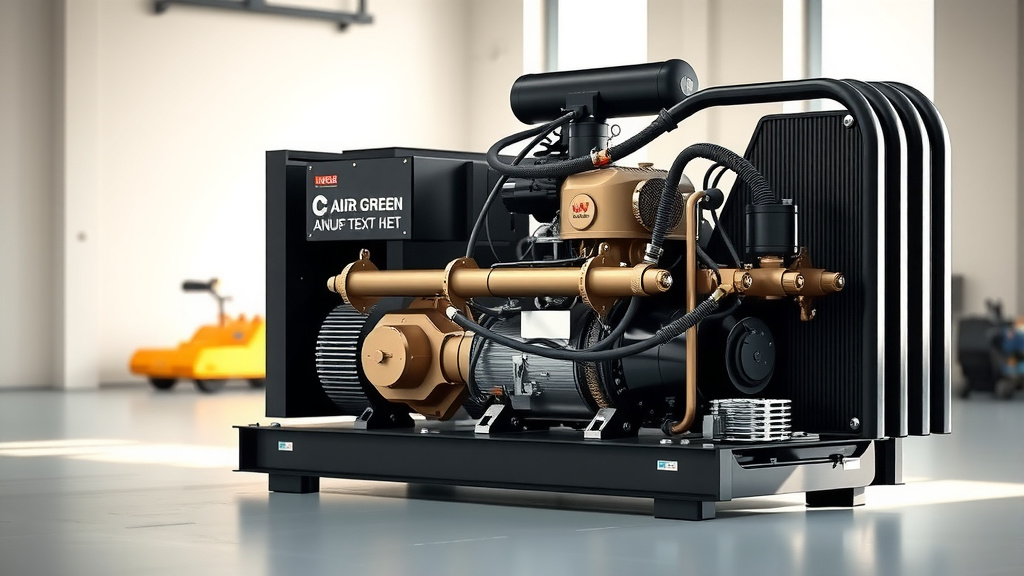
An air compressor is a machine that takes in ambient air, compresses it, and then stores this high-pressure air for various tasks. It’s like a super-powered lung for your tools, helping them operate with great force.
Essentially, an air compressor converts power into potential energy, using an electric motor or gas engine to force air into a tank and increase its pressure. This stored energy is then released on demand to power tools or perform other jobs.
Here’s a quick look at what you’ll find in this guide:
- You’ll discover what an air compressor truly is and why it’s so useful.
- We’ll break down how these machines work, step by step.
- Learn about the different types of compressors and which one might be right for you.
- Get practical tips on choosing, using, and maintaining your own air compressor.
What’S An Air Compressor?
An air compressor is a powerful device that converts power into stored energy. It pulls in air from its surroundings, squeezes it into a smaller volume, and holds it under pressure.
Think of it as a battery for pneumatic power; it doesn’t create energy but stores it. This stored energy is then ready to power a wide array of tools and equipment.
Have you ever wondered how your mechanic quickly rotates tires or how construction workers drill through tough surfaces? Often, an air compressor is the unsung hero behind the scenes. It’s truly a versatile piece of equipment.
How Does an Air Compressor Actually Work?
The magic of an air compressor lies in its ability to take something abundant—air—and turn it into a powerful force. It’s a pretty clever system when you look closely.
The Core Principle: Building Pressure
At its heart, an air compressor works by increasing air pressure. It draws air in, typically through an intake valve, and then uses a mechanism to reduce the air’s volume. This reduction forces the air molecules closer together, which raises the pressure.
This high-pressure air is then pushed into a storage tank. The tank holds this compressed air until it’s needed. When you activate an air tool, a valve opens, and the pressurized air rushes out, powering the tool.
Key Parts You’ll Find
Most air compressors share common components, working together to get the job done. We found that understanding these parts helps you appreciate the machine better (National Safety Council).
- Motor or Engine: This is the power source, either electric or gas-powered.
- Air Intake Filter: Keeps dust and debris out of the compressor’s internal parts.
- Compression Mechanism: The part that actually squeezes the air (like a piston or rotary screw).
- Air Tank: Stores the compressed air. This is where the potential energy lives.
- Pressure Switch: Turns the motor on and off to maintain tank pressure.
- Regulator: Lets you adjust the air pressure delivered to your tools.
- Safety Valve: A critical component that releases excess pressure if it gets too high.
- Drain Valve: Allows you to remove moisture that collects in the tank.
Different Flavors of Air Compressors: Which Is For You?
Just like cars, air compressors come in various types, each suited for different tasks. Knowing the main types helps you choose wisely.
The Piston Powerhouse: Reciprocating Compressors
Reciprocating, or piston, compressors are perhaps the most common type you’ll encounter. They use pistons moving up and down within cylinders to compress air.
Think of an engine’s cylinders; it’s a similar idea. These can be single-stage, where air is compressed once, or two-stage, where air is compressed twice for higher pressure. Many experts say they are good for intermittent use (Compressed Air and Gas Institute).
Smooth, Continuous Airflow: Rotary Screw Compressors
Rotary screw compressors operate differently. They use two rotating helical screws that mesh together, trapping and compressing air as they turn. These machines provide a continuous flow of compressed air.
We found that rotary screw compressors are often chosen for larger industrial applications where a constant air supply is vital. They run cooler and quieter than piston types for continuous duty.
Other Unique Compressors
While piston and rotary screw types are dominant, you might also hear about scroll compressors (very quiet, oil-free) or centrifugal compressors (high-volume, lower pressure). Each has its niche, but for most everyday and light industrial uses, the first two are key.
Choosing the Right Air Compressor: What Matters?
Selecting an air compressor isn’t a one-size-fits-all situation. Your choice depends heavily on what you plan to do with it. What are your projects?
Your Project Needs Matter Most
Are you inflating tires and powering a nail gun for weekend DIY? Or do you need to run heavy-duty impact wrenches and sandblasters all day? We found that defining your primary use case is the first step.
Smaller, portable compressors with smaller tanks are perfect for occasional tasks. Larger stationary units with bigger tanks are for continuous, demanding work.
Understanding the Numbers: CFM and PSI
You’ll often see CFM and PSI mentioned when looking at compressors. CFM stands for Cubic Feet per Minute, which tells you the volume of air the compressor can deliver. PSI is Pounds per Square Inch, indicating the pressure.
Always check the CFM and PSI requirements of your air tools. Your compressor needs to meet or exceed these numbers to run your tools effectively. A common mistake is buying a compressor that’s too small for your tools.
Consider These Points:
- Noise Level: Some compressors can be quite loud. If you’re working indoors or near neighbors, a quieter model might be a priority.
- Portability: Do you need to move it around your workshop or take it to different job sites?
- Tank Size: A larger tank means more stored air, so the compressor runs less often for intermittent tasks.
- Power Source: Will you use electric (120V or 240V) or gas power?
- Oil vs. Oil-Free: Oil-lubricated models often last longer but require more maintenance. Oil-free models are lighter on maintenance.
Common Uses for Air Compressors
Air compressors are incredibly versatile, finding their way into homes, workshops, and large factories. You might be surprised by how many things they power!
| Application Area | Typical Uses |
|---|---|
| DIY & Home | Inflating tires, blowing dust, powering nail guns, painting. |
| Automotive | Running impact wrenches, spray painting cars, cleaning engines. |
| Construction | Operating jackhammers, framing nailers, concrete vibrators. |
| Industrial | Powering machinery, assembly lines, pneumatic control systems. |
| Dental & Medical | Operating drills, providing clean, dry air for patient care (specialized units). |
Keeping Your Air Compressor in Top Shape
Just like your car, your air compressor needs a little love to keep running well. Regular maintenance can extend its lifespan significantly and keep it performing safely.
Why Maintenance is Key
Ignoring maintenance can lead to lost efficiency, costly repairs, and even safety hazards. Nobody wants their machine to fail in the middle of a big project, right?
Many guidelines point to regular checks as a good first step (Occupational Safety and Health Administration – OSHA). It truly makes a difference.
Your Air Compressor Maintenance Checklist:
- Drain the Tank Regularly: Water condensation collects at the bottom of the tank. Drain it after each use to prevent rust.
- Check Air Filters: A clogged filter restricts airflow. Clean or replace it often, depending on use.
- Inspect Hoses and Connections: Look for cracks, leaks, or wear. Leaks waste air and energy.
- Change the Oil (if applicable): For oil-lubricated models, follow the manufacturer’s recommendations for oil changes.
- Test the Safety Valve: Briefly pull the ring on the safety valve to ensure it’s not stuck. Do this cautiously.
- Clean the Exterior: Keep the cooling fins and motor free of dust and debris for optimal performance.
Stay Safe While You Work
Safety is paramount when operating any powerful equipment. Always read your owner’s manual for specific safety instructions.
Never exceed the maximum pressure rating of your tools or the compressor itself. Always wear appropriate personal protective equipment, like safety glasses and hearing protection. Compressed air can be dangerous if not handled properly.
Understanding Air Compressor Power Sources
Air compressors typically run on either electricity or gasoline, and your choice impacts portability and where you can use the machine.
Electric compressors are great for indoor use because they don’t produce exhaust fumes. They are usually quieter and require less maintenance. Gas-powered compressors are fantastic for outdoor job sites or areas without readily available electricity, offering more power and greater mobility.
Compressor Accessories You Might Need
To get the most out of your air compressor, you’ll likely want some accessories. These can range from practical items to tools that expand your compressor’s capabilities.
Common accessories include various air hoses, quick-connect fittings, tire inflators, blowguns for cleaning, and filters to ensure clean, dry air for delicate tasks like painting.
Common Air Compressor Misconceptions
There are a few myths about air compressors that we can clear up. For example, some people think a larger tank means more power. Not quite!
A larger tank means the compressor runs less often, but the power delivered to the tool is dictated by the CFM and PSI ratings. Another misconception is that all oil-lubricated compressors are dirty; with proper filtration, they can deliver clean air too.
Conclusion
An air compressor is far more than just a noisy machine; it’s a powerful and versatile tool that converts atmospheric air into usable energy. Whether you’re a DIY enthusiast or running a large industrial operation, understanding how these devices work and how to properly care for them is truly valuable.
By making informed choices about the type and size you need, and by committing to regular maintenance, you ensure your air compressor remains a reliable workhorse for years to come. It’s an investment that pays off in efficiency and capability.
What is the main benefit of an oil-free air compressor?
Oil-free air compressors are generally lighter, require less maintenance because you don’t need to change the oil, and are often preferred for applications where oil contamination in the air stream must be avoided, such as painting or dental work.
How do I know what size air compressor I need?
To determine the right size, you need to match the CFM (Cubic Feet per Minute) and PSI (Pounds per Square Inch) requirements of your most demanding air tools. Add a little buffer, perhaps 10-20% extra CFM, to ensure the compressor can keep up without running continuously.
Can I leave compressed air in the tank overnight?
Yes, you can leave compressed air in the tank overnight, but it’s generally recommended to drain the condensation from the tank after each use to prevent rust and corrosion. Storing air in the tank for extended periods won’t damage the compressor, but draining water is a good practice.
What is a common reason for an air compressor to lose pressure?
A common reason for an air compressor to lose pressure is a leak in the air lines, fittings, or the tank itself. Other causes include a faulty pressure switch, a worn-out check valve, or internal issues with the compressor pump not generating enough air. Regular inspections can help identify leaks early.
Are all air compressors loud?
No, not all air compressors are loud. While many traditional piston-driven models can be quite noisy, especially older ones, there are now many quieter options available. Oil-free and scroll compressors, in particular, are often designed for lower noise levels, making them suitable for indoor use or residential areas.
