
How A 2 Stage Air Compressor Works?
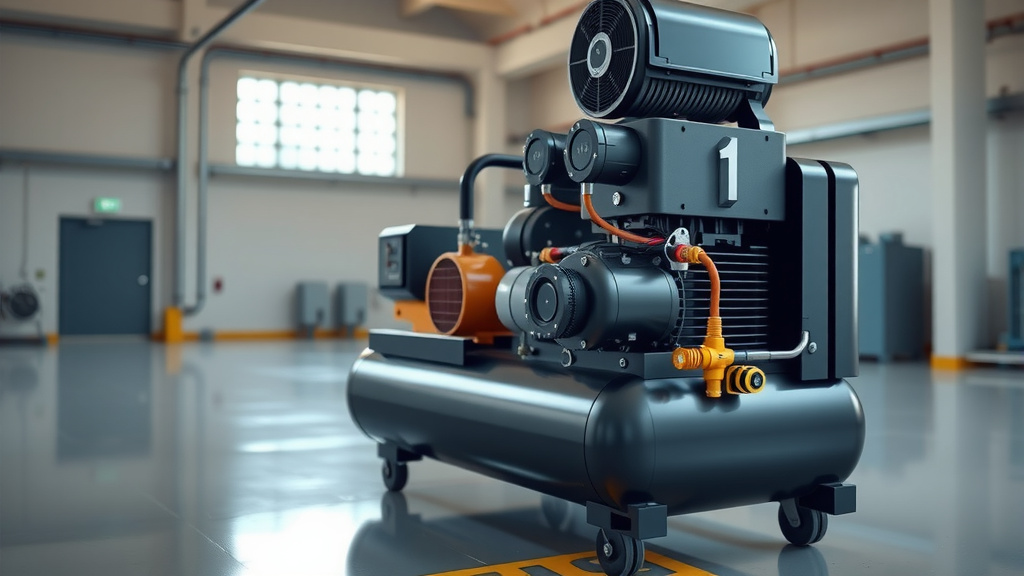
A 2 stage air compressor works by compressing air in two distinct steps, using smaller cylinders for each stage to achieve higher pressures more efficiently than a single-stage unit. This two-step process allows it to deliver a consistent, powerful air supply for demanding tasks.
TL;DR for understanding 2-stage air compressors:
- They squeeze air twice, first in a larger cylinder, then in a smaller one.
- An intercooler cools the air between stages, boosting efficiency.
- This two-step process delivers higher pressure (up to 175 PSI) and more consistent power.
- They are ideal for heavy-duty tools, continuous use, and professional shops.
- Expect better durability, efficiency, and a longer lifespan compared to single-stage models.
How A 2 Stage Air Compressor Works?
A 2 stage air compressor operates by pushing air through two separate compression cycles to reach its desired pressure. This method makes it a superior choice for heavy tasks.
You might wonder, how exactly does this two-step dance happen? Let’s break it down.
The Journey of Air: First Squeeze
Imagine your air compressor drawing in air from its surroundings. This first gulp happens in the first stage cylinder. It’s typically larger than the second stage cylinder.
Here, the air is compressed to an intermediate pressure. Think of it like a warm-up before the main event. This initial compression also generates heat.
Cooling Down: The Intercooler’s Vital Role
After the first compression, the air gets pretty warm. Heat is an enemy of efficiency in air compression.
This is where the intercooler steps in. It’s a radiator-like device that cools the air before it moves to the second stage. We found that cooling the air makes the second compression much more effective (Compressed Air Best Practices).
It’s like letting an athlete catch their breath before the next sprint. Cool air is denser, allowing for more air to be compressed with less effort.
The Second Squeeze: Reaching Peak Pressure
Now, the cooled, partially compressed air moves into the second stage cylinder. This cylinder is usually smaller than the first.
Here, the air is compressed again, but this time to a much higher final pressure. This can be anywhere from 125 PSI to 175 PSI or even more.
This second compression brings the air to the pressure you need for your tools, ready for action.
Why Two Stages? The Power of Efficiency
You might ask, why go through all this trouble with two stages? Why not just one big squeeze?
The answer is efficiency and durability. Many experts say that two-stage compression reduces the workload on the motor.
It also allows for more sustained high-pressure output without overheating. It’s like climbing a tall mountain in two easier steps rather than one strenuous leap.
What Makes a 2-Stage Compressor Different?
When you compare a 2-stage to a 1-stage compressor, the differences are clear. It’s like comparing a utility knife to a chef’s knife—both cut, but one is designed for specific, heavier tasks.
The two-stage design provides higher pressure and a more consistent air flow for longer periods.
| Feature | 1-Stage Compressor | 2-Stage Compressor |
|---|---|---|
| Compression Cycles | Single squeeze | Two squeezes |
| Max Pressure (PSI) | Typically 90-135 | Typically 125-175+ |
| Duty Cycle | Intermittent use | Continuous, heavy-duty |
| Heat Generation | Higher, less efficient | Lower due to intercooler |
| Cost | Generally lower | Higher initial investment |
| Lifespan | Shorter with heavy use | Longer, more durable |
Who Needs a 2-Stage Air Compressor?
A 2-stage compressor isn’t for everyone. If you’re just inflating tires or using a small nail gun occasionally, a single-stage might be fine.
But if your work demands power and endurance, a 2-stage compressor becomes a necessity. We found that they excel in environments where air tools are used continuously.
Automotive Shops and Garages
If you run an auto body shop or a busy mechanic’s garage, you’ll appreciate the steady power. Tools like impact wrenches, paint sprayers, and grinders need a lot of consistent air pressure.
A 2-stage unit can keep up without skipping a beat, helping you power through tire rotations and paint jobs.
Industrial and Manufacturing Uses
In manufacturing, reliability is key. Production lines often depend on pneumatic machinery running constantly.
A 2-stage compressor provides the reliable high-pressure air needed for heavy-duty equipment and automation.
Heavy-Duty DIY Projects
Are you a serious DIYer tackling large-scale projects like building a workshop or restoring a classic car? Then you might be ready for an upgrade.
For extensive sanding, plasma cutting, or powering multiple tools, a 2-stage compressor will save you time and frustration.
Benefits You’ll Love
Choosing a 2-stage air compressor brings several advantages that can make your work easier and more productive. It’s an investment that often pays off.
- More Consistent Pressure: You get a steady flow of air, which means your tools perform better and don’t bog down.
- Increased Efficiency: The intercooler reduces heat, making the compressor work smarter, not harder.
- Longer Tool Life: Consistent pressure helps prevent tools from straining, extending their lifespan.
- Extended Compressor Lifespan: Because it runs cooler and more efficiently, the compressor itself lasts longer.
- Handles Demanding Tools: Powering tools that require high CFM (cubic feet per minute) and PSI is no problem.
Things to Consider Before You Buy
Ready to get one? Hold on a moment. Before you make a purchase, think about your specific needs. It’s a significant investment, so careful consideration is wise.
- What are your peak CFM and PSI requirements?
- How often will you be using it for extended periods?
- Do you have the electrical power to support it (e.g., 240V)?
- How much space do you have in your workshop or garage?
- What’s your budget for the initial purchase and maintenance?
Maintaining Your 2-Stage Workhorse
To keep your 2-stage air compressor running smoothly, regular maintenance is essential. It’s like taking care of your car; a little effort goes a long way.
Always drain the tank of condensation daily, check and change the oil regularly, and inspect air filters. Proper care ensures maximum efficiency and longevity (Pneumatic Systems Manual).
Conclusion
Understanding how a 2 stage air compressor works reveals why it’s such a valuable asset for demanding applications. Its two-step compression, aided by an intercooler, delivers higher pressure and greater efficiency.
If you rely on air tools for extended periods or require significant power, this type of compressor is likely the robust solution you need. It’s an investment in reliable performance and long-term durability for your toughest tasks.
What is the main advantage of a 2-stage air compressor over a 1-stage?
The main advantage is its ability to produce higher air pressure (PSI) more efficiently and consistently. The two compression stages, with intercooling, result in less heat buildup, improved performance, and a longer lifespan, especially for heavy-duty, continuous use.
Can I use a 2-stage air compressor for light-duty tasks?
Yes, you certainly can. A 2-stage compressor will handle light-duty tasks with ease. However, for occasional, low-demand work, it might be an overinvestment. It’s built for the long haul and demanding tools.
Do 2-stage air compressors require special electrical wiring?
Many larger 2-stage air compressors require 240-volt power, which is different from standard household 120-volt outlets. It’s important to check the compressor’s specifications and ensure your electrical setup can safely support it.
Are 2-stage air compressors louder than single-stage models?
Not necessarily. While they are more powerful, noise levels depend more on the specific design, motor type, and sound dampening features of the individual model. Some modern 2-stage compressors are designed to be surprisingly quiet.
How often should I change the oil in my 2-stage air compressor?
The frequency depends on usage, but a general guideline is every 100-200 operating hours, or at least once a year. Always refer to your compressor’s owner’s manual for the most accurate maintenance schedule and recommended oil type.
