
How To Use 250 PSI Air Compressor?
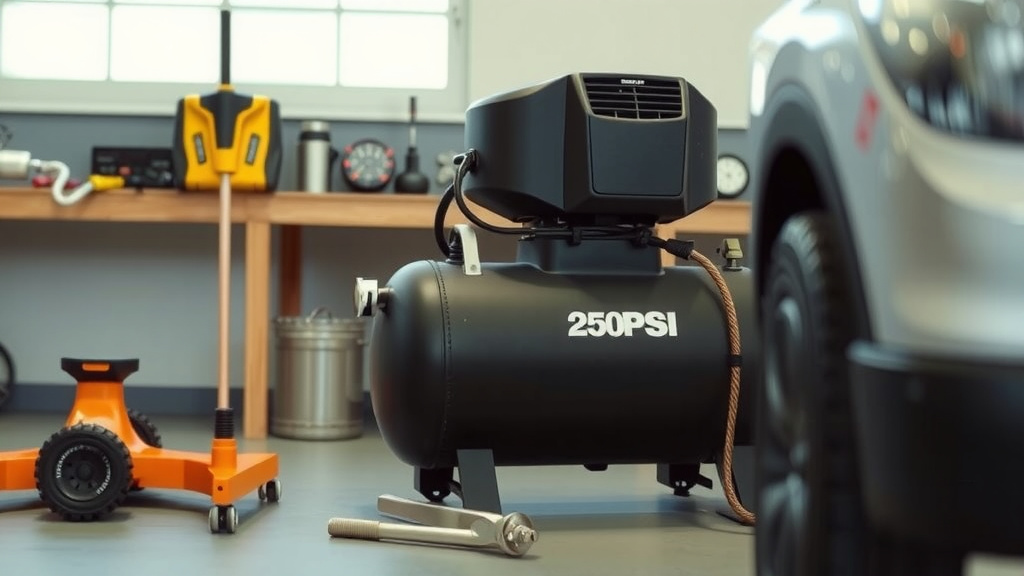
Using a 250 PSI air compressor involves connecting the right high-pressure air tools, ensuring all fittings are secure, and always wearing safety gear to prevent injury from the powerful airflow.
A 250 PSI air compressor is typically used for demanding tasks like heavy-duty tire inflation, professional-grade impact wrench operation, and specialized industrial applications requiring significant air power.
- Understand that 250 PSI air compressors are powerful tools for heavy-duty tasks, not everyday light jobs.
- Safety is paramount; always use appropriate personal protective equipment and check connections rigorously.
- Match your air tools to the compressor’s pressure and airflow (CFM) for effective and safe operation.
- Regular maintenance, like draining the tank and checking filters, keeps your compressor running smoothly.
- Learn basic setup and operation to maximize efficiency and avoid common errors when working with high pressure.
How To Use 250 PSI Air Compressor?
To use a 250 PSI air compressor safely and effectively, you first need to understand its power output, connect it to the correct high-pressure air tools, and always prioritize safety with proper personal protective equipment.
What Exactly Does 250 PSI Mean For You?
When you see “250 PSI,” it refers to the pounds per square inch of pressure your air compressor can generate. Think of it as the strength of the air blast. A higher PSI means a more powerful push behind your air tools.
This level of pressure, 250 PSI, is quite high for many standard tasks. It suggests a compressor designed for more strenuous or specialized applications, going beyond what a typical home garage unit might offer.
Understanding Air Pressure (PSI)
PSI indicates the maximum pressure the air tank can hold and deliver. For instance, inflating a car tire usually needs about 30-35 PSI. So, a 250 PSI compressor packs a serious punch, far more than you’d need for such basic jobs.
It’s like having a race car when all you need is a grocery getter. While capable, its true potential shines in specific, demanding situations. We found that misusing high-pressure tools can lead to damage or injury.
Who Needs a 250 PSI Air Compressor?
A compressor capable of 250 PSI isn’t for everyone. It’s usually found in professional shops, industrial settings, or for very specific heavy-duty DIY projects. Are you tackling something truly tough?
If you’re just inflating bicycle tires or using a small nail gun, a 250 PSI unit is likely overkill. It’s built for tasks that demand sustained high pressure and often a significant volume of air.
Common Tasks That Demand High PSI
Many experts say that heavy-duty impact wrenches, especially those for commercial vehicles or machinery, benefit greatly from high PSI. Sandblasting operations, certain plasma cutters, and even some demanding paint sprayers might also call for such power (Industrial Compressor Guide).
Consider tasks like truck tire inflation, where tires can demand over 100 PSI. Or perhaps you’re using air tools that need a lot of grunt to loosen stubborn bolts. These are the moments a 250 PSI compressor excels.
Your Safety Checklist Before Starting
Before you even think about plugging in your 250 PSI air compressor, safety must be your absolute priority. Working with such high pressure isn’t a game; it demands respect and careful preparation.
Ignoring safety measures can lead to serious injury. Think of it like handling a powerful fire hose; you wouldn’t just turn it on without a firm grip and proper stance, right?
Essential Personal Protective Equipment (PPE)
Always wear safety glasses or goggles to protect your eyes from flying debris. Hearing protection, like earmuffs or earplugs, is also a must, as compressors can be quite loud, especially during continuous operation (OSHA guidelines often stress this).
Gloves can protect your hands, and sturdy footwear is important too. Ensure your clothing isn’t loose enough to get caught in moving parts. Think head-to-toe protection.
Here’s a quick checklist to help you get started safely:
- Is your work area clear and well-ventilated?
- Are all air hoses and fittings secure and free of damage?
- Is your personal protective equipment (PPE) ready and on?
- Have you checked the compressor’s oil level (if applicable)?
- Is the tank drain valve closed before starting?
- Are your air tools rated for the pressure you plan to use?
Key Parts of Your High-Pressure Compressor
Understanding the main components of your 250 PSI air compressor helps you use it effectively and safely. Each part plays a specific role in generating and delivering pressurized air.
Knowing what each part does can also help you troubleshoot minor issues and perform routine maintenance. It’s like knowing the parts of your car; you don’t need to be a mechanic, but basic knowledge helps.
Tank, Motor, and Pressure Switch
The air tank stores the compressed air. A 250 PSI tank is built to withstand high internal forces. The motor powers the pump, which draws in ambient air and compresses it. The pressure switch automatically turns the motor on and off to maintain the desired pressure range within the tank.
Don’t forget the safety relief valve – a critically important part that automatically releases pressure if it exceeds a safe limit. It’s your compressor’s last line of defense against dangerous over-pressurization.
Choosing the Right Air Tools for 250 PSI
Just because your compressor can hit 250 PSI doesn’t mean all your air tools can handle it. Many common air tools operate efficiently at much lower pressures, typically between 90-120 PSI. Attaching a low-pressure tool to a high-pressure line without regulation is a recipe for disaster.
Always check the maximum operating pressure rating of your air tools. Using a high-pressure regulator is often necessary to step down the output for most tools, ensuring you deliver just the right amount of pressure.
Matching Tool Requirements to Compressor Output
It’s not just about PSI; CFM (Cubic Feet per Minute) is also a big deal. CFM measures the volume of air delivered. A tool might need 90 PSI but demand 10 CFM, meaning your compressor needs to supply both adequate pressure and volume simultaneously.
We found that a mismatch in CFM can lead to tools underperforming or pausing during use. Always consult your air tool’s specifications to ensure your 250 PSI compressor can meet both its pressure and volume needs.
| Task | Typical PSI Needed | Is 250 PSI Overkill? |
|---|---|---|
| Inflating Car Tires | 30-35 PSI | Yes, usually |
| Inflating Heavy Truck Tires | 80-120 PSI | Potentially, if high volume |
| Framing Nailer | 70-120 PSI | Yes, generally |
| Impact Wrench (Heavy Duty) | 90-175 PSI | No, often perfect |
| Sand Blasting (continuous) | 90-120 PSI | No, but CFM also matters greatly |
Setting Up Your Compressor for Action
Once you’ve done your safety checks and chosen the right tools, it’s time to set up. Placement matters; ensure your compressor is on a stable, level surface and in a well-ventilated area. Never block its air intake vents.
Think about where your power source is. Most 250 PSI compressors will be heavy-duty, likely requiring a dedicated circuit, especially larger models. Always confirm your electrical supply matches the compressor’s requirements.
Connecting Hoses and Fittings
Attach your air hose securely to the compressor’s air outlet. Use high-pressure rated hoses and fittings designed to handle 250 PSI. Standard hoses might not be strong enough and could fail, creating a dangerous whip hazard.
If you’re using a regulator, connect it to the compressor’s outlet before your air hose. Adjust the regulator to the appropriate PSI for your tool. Always double-check all connections for tightness before turning on the power.
Operating Your 250 PSI Compressor Like a Pro
With everything set up, you’re ready to power on. Turn on the compressor and let it build up to its shut-off pressure. This may take a few minutes, depending on the tank size. Listen for any unusual noises or leaks.
Before attaching your air tool, ensure the compressor is off and the air hose is depressurized. Then, connect your tool and only then, turn on the compressor and regulate the pressure as needed. This prevents accidental tool activation and potential hazards.
Monitoring Pressure and Airflow
Keep an eye on your pressure gauges. The tank gauge shows internal pressure, and the regulated gauge shows output pressure. This helps you confirm your tools are receiving the correct PSI. If pressure drops significantly during use, your compressor might be struggling to keep up with the tool’s CFM demand.
Don’t just set it and forget it. Periodically check connections and hoses for signs of wear or leaks during operation. A tiny leak at 250 PSI can quickly become a major problem if left unattended.
Keeping Your Compressor in Top Shape
Regular maintenance is the secret to a long, trouble-free life for your 250 PSI air compressor. Just like any powerful machine, it needs care. Ignoring maintenance can lead to efficiency loss, breakdowns, and even safety risks.
Think of it as routine check-ups for a high-performance athlete. Small, consistent efforts prevent major issues down the road. Research often connects consistent maintenance with extended equipment lifespan (Tooling Magazine reviews).
Regular Maintenance Schedule
Drain the air tank daily or after each use. This removes condensation, which can cause rust and degrade tank integrity over time. Check and replace air filters periodically to ensure clean air intake, protecting the pump and improving efficiency.
If your compressor is oil-lubricated, check the oil level regularly and change it as recommended by the manufacturer. Keep all external parts clean and free of dust and debris. Always disconnect power before performing any maintenance.
When Not to Use 250 PSI: A Word of Caution
Remember, a 250 PSI compressor is a powerful machine. It’s not the right tool for every job. Using such high pressure for delicate tasks or with tools not rated for it can cause irreversible damage to the item you’re working on, or even the tool itself.
Avoid using it where lower pressure would suffice, as it often means more energy consumption and unnecessary wear on the compressor. Many experts advise using the lowest effective pressure for any given task to conserve energy and increase tool longevity.
Conclusion
Using a 250 PSI air compressor safely and effectively means respecting its power. It’s a robust tool designed for demanding tasks, requiring careful setup, appropriate air tools, and a strong commitment to safety.
By understanding its components, practicing good maintenance, and always prioritizing personal protective equipment, you can harness its strength for your toughest projects. Remember, the right approach ensures both efficiency and your well-being.
What is the main benefit of a 250 PSI air compressor?
The main benefit is its ability to handle extremely demanding applications that require sustained high air pressure, such as heavy-duty impact wrenches for large bolts or specialized industrial equipment. This higher pressure often translates to more torque and faster work completion for specific tasks.
Can I use my existing air tools with a 250 PSI compressor?
You can, but you absolutely must use an air pressure regulator to reduce the output pressure to match your tool’s maximum rating. Most standard air tools are designed for 90-120 PSI. Directly connecting them to 250 PSI can cause severe damage to the tool or even lead to dangerous failures.
How often should I drain the tank on a 250 PSI air compressor?
Many guidelines suggest draining the air tank daily or after each use, especially with high-pressure compressors. Compressed air contains moisture, and this condensation builds up in the tank. Regular draining prevents rust and corrosion, preserving the tank’s integrity and extending its lifespan.
Is a 250 PSI air compressor suitable for home garage use?
For most typical home garage tasks like inflating car tires, using a nail gun, or general cleaning, a 250 PSI compressor is usually an excessive investment and power. Lower PSI models (around 100-150 PSI) are often more practical, economical, and safer for standard DIY projects.
What safety precautions are specific to high-pressure air compressors?
Beyond general compressor safety, 250 PSI units require extra vigilance. Always ensure all hoses and fittings are rated for high pressure and securely connected. The risk of hose whip or fitting failure is much higher, so using proper personal protective equipment, especially eye and hearing protection, is even more critical. Never point an air nozzle at yourself or others.
