
Is a Compressor with a Moisture Separator Worth It?
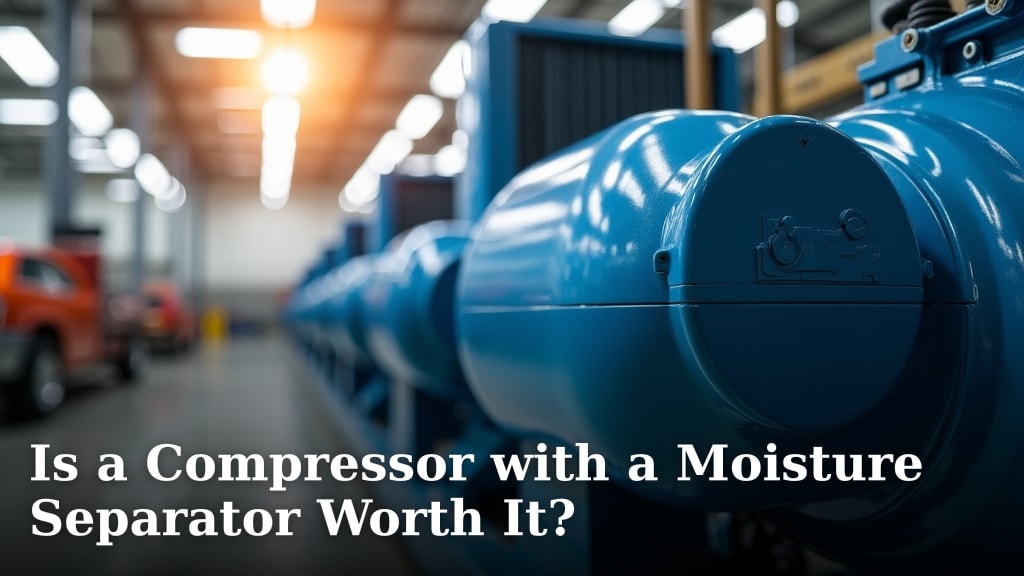
Yes, a compressor with a moisture separator is absolutely worth it for most users. It helps protect your tools and ensures you get cleaner, drier air. This is especially true if you use air-powered tools for painting, precision work, or anything sensitive to moisture. A moisture separator ensures you get cleaner, drier air, which is crucial for many applications. Learn why water comes out of your air compressor.
You might be wondering if the extra cost is justified. Many experts agree that the long-term benefits of preventing rust and improving air quality far outweigh the initial investment. A good moisture separator can seriously extend the life of your equipment.
TL;DR:
- Yes, a moisture separator is usually a wise investment.
- It protects your air tools from damage.
- You’ll get cleaner, drier air for better results.
- It can save you money on tool repairs and replacements.
- Consider it for painting or precision air tool use.
Let’s get into the details of why adding a moisture separator to your air compressor setup is a smart move.
You’ve got your air compressor, ready to power through projects. But have you thought about the air quality it delivers? Many hobbyists and professionals alike overlook this. That’s where a moisture separator comes into play. It’s a small addition that makes a big difference.
Why a Moisture Separator is a Smart Investment for Your Air System
The question of whether a compressor with a moisture separator is truly worth the extra cost is a common one. The short answer is a resounding yes for many applications. It’s not just about having a fancy gadget; it’s about protecting your investment in air tools and achieving better results.
Understanding How Compressors Create Moisture
Your air compressor works by compressing air. As air is compressed, it heats up. When this hot, compressed air cools down, it can no longer hold as much moisture. This excess water condenses into liquid. Think of it like the water droplets on the outside of a cold glass on a humid day. The air inside your compressor tank is the ideal breeding ground for this condensation.
The Science Behind Condensation
You see, air can only hold a certain amount of water vapor. This is called its saturation point. As air pressure increases during compression, its temperature also rises. Warmer air can hold more moisture. When the compressed air cools in the tank or in your air lines, it hits its saturation point. The extra water then turns into liquid and settles at the bottom.
The Problem with Water in Your Air Lines
So, what’s the big deal with a little water? This collected moisture can cause a surprising amount of trouble. If left unchecked, it can travel through your air lines and into your tools. This is where the real problems begin. Many air-powered tools have delicate internal parts that are not designed to handle moisture.
Damage to Your Air Tools
Rust is the primary enemy. When water sits inside your tools, it causes internal components to corrode. This leads to sticking parts, reduced performance, and eventually, complete failure. We’ve heard stories from users who’ve had perfectly good tools ruined by water damage. It’s a heartbreaking and expensive lesson.
Impact on Your Work Quality
Beyond damaging your tools, moisture in the air can also ruin your projects. Imagine painting a car or a piece of furniture. Water droplets can cause fisheyes, blisters, or an uneven finish. This often means you have to start all over again, wasting time and materials. For delicate tasks like model building or intricate assembly, consistent dry air is absolutely essential for a A moisture separator is essential for a clean, professional finish when airbrushing.clean, professional finish.
How a Moisture Separator Solves These Problems
This is where a moisture separator truly shines. It’s a device designed to intercept and remove that unwanted water before it reaches your tools or your work. Think of it as a guard at the exit, preventing moisture from escaping your system.
Types of Moisture Separators
There are a few common types you’ll encounter. Many compressors come with basic inline filters that can trap some moisture. More advanced options include desiccant dryers, which use materials to absorb water vapor, and refrigerated dryers, which cool the air to condense and remove moisture. For most home or small shop use, a good quality inline filter or a simple drain-type separator is often sufficient.
Simple Drain Separators
These are often the most affordable and easiest to use. They typically attach directly to your compressor tank or inline. As air passes through, moisture collects in a bowl. You then manually or automatically drain this bowl periodically. It’s a straightforward system that catches the bulk of the liquid water.
Desiccant and Refrigerated Dryers
These are more sophisticated. Desiccant dryers use porous materials like silica gel to literally soak up water vapor. Refrigerated dryers cool the air to a very low temperature, causing more moisture to condense out. These offer superior drying capabilities, making them ideal for very sensitive applications or humid environments.
The Benefits of Cleaner, Drier Air
The primary benefit is, of course, the reduction of moisture. But what does that actually mean for you? It means your tools will function as they were designed to, for longer. It means your paint jobs will be smoother. It means your intricate projects will turn out perfectly.
Extended Tool Lifespan
By preventing rust and corrosion, you’re directly increasing the operational life of your air tools. This means fewer trips to the repair shop and fewer tools ending up in the trash. Many experts agree that the cost of a good separator is quickly recouped through saved tool expenses.
Improved Project Outcomes
Whether you’re an artist, a hobbyist, or a professional mechanic, the quality of your work matters. Dry air helps ensure consistency and a professional finish. You’ll experience fewer frustrations with your tools and your projects. Your final results will be something you can be truly proud of.
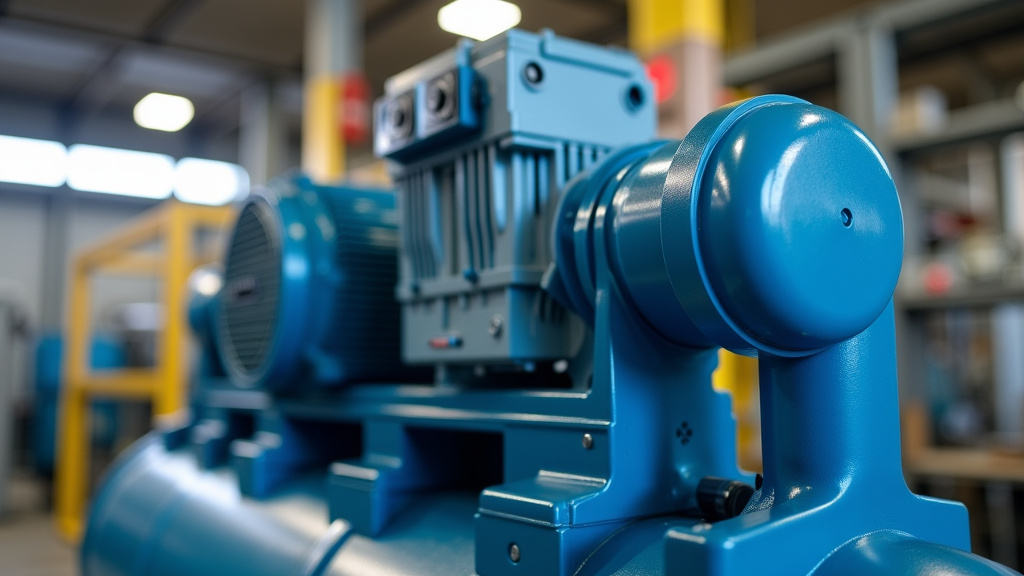
Making the Decision: Is It Worth It For You?
Now, let’s get down to brass tacks. Is this something you absolutely need? For casual users who only occasionally use a nail gun for simple tasks, the answer might be a softer maybe. But for anyone who relies on their air tools regularly or for specific types of work, the answer leans heavily toward yes.
Consider Your Usage and Tools
What kind of tools do you use? If you’re working with precision tools like spray guns, sanders, or grinders, moisture can be a real problem. These tools often have tighter tolerances and are more susceptible to damage and performance degradation. If you use them in a humid environment, it’s even more critical.
Painting and Finishing Work
For anyone involved in painting, detailing, or finishing, a moisture separator is almost non-negotiable. Even tiny amounts of water can ruin a perfect coat of paint. You’ll save yourself a lot of headaches and rework by ensuring your air supply is clean and dry. Research from painting professionals consistently highlights the importance of dry air for flawless finishes.
High-Volume or Continuous Use
If your compressor runs for extended periods or is used frequently, more moisture will be generated. This is common in professional auto shops, woodworking studios, or manufacturing environments. In these scenarios, a robust moisture removal system isn’t a luxury; it’s a necessity for maintaining productivity and equipment health.
The Cost vs. Benefit Analysis
Moisture separators range in price. Simple drain types can be very inexpensive. More advanced systems can cost several hundred dollars. However, compare that to the cost of replacing a high-end spray gun or a precision air sander. The potential savings are clear. Furthermore, consider the cost of wasted materials and project rework.
Long-Term Savings
We found that the initial cost of a quality moisture separator is often repaid many times over in the extended lifespan of your tools and the prevention of project failures. It’s a classic case of a small upfront cost saving you significant money down the line. Think of it as an insurance policy for your air system.
Here’s a quick checklist to help you decide if a moisture separator is right for you:
- Do you use air tools for painting or finishing?
- Are your air tools sensitive or expensive?
- Do you experience rust or corrosion on your tools?
- Does moisture affect the quality of your projects?
- Do you use your air compressor frequently or for long periods?
- Is preventing tool damage and rework a priority for you?
If you answered yes to any of these, then investing in a moisture separator is a decision you’re unlikely to regret. It’s a simple addition that brings substantial benefits to your workshop and your projects.
Conclusion
So, is a compressor with a moisture separator worth it? For most users, the answer is a definite yes. You’ve seen how moisture builds up in your compressor and the damage it can cause to your tools and projects. A moisture separator acts as a shield, protecting your air tools from rust and corrosion, and ensuring you get the clean, dry air you need for a professional finish. By preventing costly repairs and rework, it’s a smart investment that pays for itself over time. Don’t let a little water cause big problems for your valuable equipment. Make the simple upgrade today for better performance and longer tool life.
Frequently Asked Questions
How often do I need to drain a moisture separator?
This depends on your usage and the humidity in your environment. For frequent use, you should check and drain it daily. For lighter use, checking weekly might be sufficient. If you have an automatic drain, it handles this for you, but it’s still good to verify it’s functioning correctly.
Can I just use a dryer vent hose instead of a separator?
No, a dryer vent hose won’t effectively remove moisture. Air compressor moisture separators are specifically designed to condense and remove liquid water and water vapor from compressed air. A simple hose won’t achieve this and could actually introduce contaminants.
Will a moisture separator remove oil from my air line?
Most standard moisture separators are designed primarily for water. If you have an oil-lubricated compressor and need to remove oil as well, you’ll likely need an additional oil coalescing filter in your air line. Some advanced systems combine water and oil removal.
Are there air compressors that come with built-in moisture separators?
Yes, some higher-end or specialized air compressors do come with integrated moisture removal systems. However, many standard compressors do not, and you’ll need to add an aftermarket separator to your setup. It’s always best to check the specifications of the compressor you’re considering.
Can a moisture separator improve my paint job?
Absolutely. Water in your air lines can cause imperfections like fisheyes and blistering in paint finishes. A moisture separator ensures you’re using clean, dry air, which is essential for achieving a smooth, professional, and defect-free paint job. This is especially important for automotive or fine finishing work.
