
Can You Use Any Air Compressor For Airbrushing?
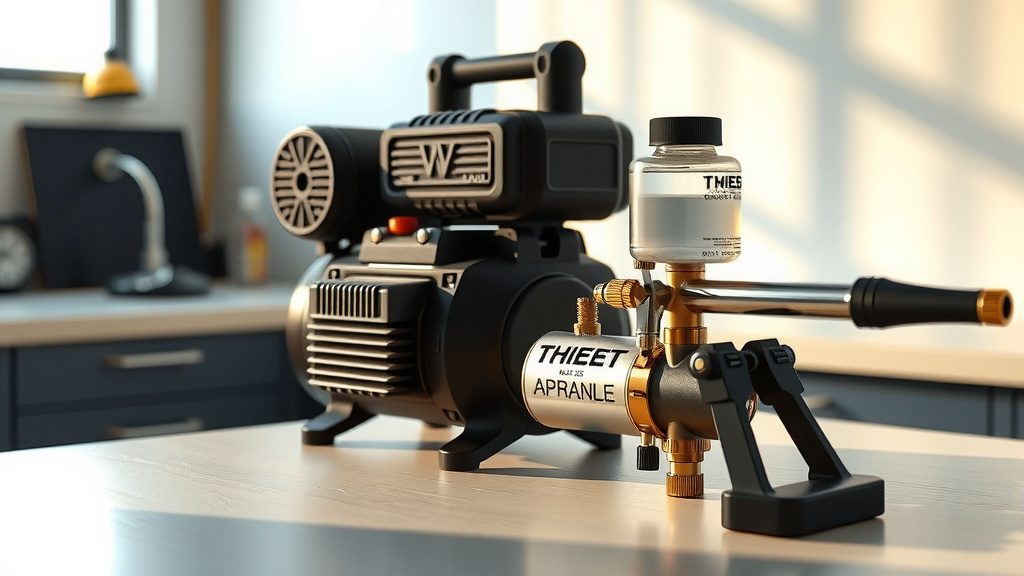
While you can technically connect an airbrush to almost any air compressor, using just “any” air compressor for airbrushing often leads to frustrating results and poor performance.
For the best airbrushing experience, you really need a compressor designed specifically for the unique pressure and airflow needs of airbrushing.
Here’s a quick look at what we’ll cover:
- Most regular shop compressors are too powerful and loud for airbrushing.
- Dedicated airbrush compressors offer precise control and quiet operation.
- Look for features like a regulator, moisture trap, and a small air tank.
- Matching your compressor to your projects helps avoid common airbrushing frustrations.
- Maintenance is key for a long-lasting, smooth airbrushing experience.
Can You Use Any Air Compressor For Airbrushing?
No, you really cannot use just any air compressor for airbrushing if you want good results. While it might seem possible, standard workshop compressors are often not suitable for the delicate work involved in airbrushing.
Why Dedicated Airbrush Compressors Matter
Think of it like this: you wouldn’t use a sledgehammer for intricate woodworking, right? Airbrushing demands precision. Dedicated airbrush compressors are built with this specific need in mind.
They give you the control and consistency your art requires. We found that most experienced airbrush artists strongly recommend a specialized unit (Airbrush Resource Guides).
Pressure (PSI) for Fine Details
Airbrushing needs a steady, low air pressure, usually between 15-30 PSI. Too much pressure can blast paint everywhere. Too little makes the paint sputter.
Many regular compressors struggle to maintain such low, consistent pressure without a lot of fiddling. This makes controlling your paint flow incredibly difficult.
Airflow (CFM/LPM) for Consistent Spray
Your airbrush needs a smooth, continuous stream of air. General shop compressors often have fluctuating airflow. This causes your paint to come out unevenly.
Imagine trying to draw a straight line with a shaky hand. That’s what inconsistent airflow feels like for your airbrush.
The Problem with General-Purpose Compressors
Trying to adapt a large, general-purpose air compressor for airbrushing can lead to headaches. You’ll likely spend more time struggling with the equipment than creating your art.
It’s like trying to make coffee in a blender – it might work, but it won’t be pretty or efficient.
Noise Levels Can Be a Big Deal
Many standard air compressors are incredibly loud. Imagine working on a detailed piece of art with a jackhammer going off beside you. That’s the noise level we’re talking about.
Dedicated airbrush compressors are often much quieter, sometimes whisper-quiet. This lets you focus without getting a headache.
Pulsation and Moisture Issues
Larger compressors can cause air pulsation. This means the air comes out in tiny bursts, not a smooth flow. This creates uneven spray patterns on your artwork.
They also tend to produce more moisture in the air. This moisture can mix with your paint, causing dreaded water spots and ruining your project.
Key Features of a Good Airbrush Compressor
When you’re looking for a compressor, knowing what to watch for can save you a lot of trouble. We found several features that make a big difference.
- Pressure Regulator: This crucial tool lets you dial in the exact PSI you need.
- Moisture Trap: It catches water before it reaches your airbrush, keeping your paint pure.
- Air Tank/Reservoir: A small tank helps deliver steady, pulse-free air and reduces how often the motor runs.
- Auto Shut-off: This saves energy and reduces wear on the motor by turning off when not in use.
- Quiet Operation: Look for models that specifically mention low decibel levels for a calmer workspace.
Choosing the Right Compressor for You
Your ideal compressor really depends on your specific needs. What kind of airbrushing do you plan to do?
Are you a hobbyist, a professional, or somewhere in between? Considering your projects and workspace helps you pick a winner.
What Projects Do You Tackle?
For small, occasional projects like model painting, a basic, tankless compressor might work. For larger, more frequent jobs, a compressor with a tank is a smarter choice.
If you’re doing fine art or custom automotive work, invest in a higher-quality, more robust unit. Research often points to these choices for specific applications (Art Supply Review).
Space and Portability Considerations
Do you have a dedicated studio, or do you work at your kitchen table? Some compressors are very compact and easy to move around.
Others are heavier and meant to stay put. Think about where you’ll use it and if you need to store it away often.
Here’s a quick look at compressor types and their airbrushing suitability:
| Compressor Type | Airbrush Suitability | Key Points |
|---|---|---|
| Dedicated Airbrush Compressor (with tank) | Excellent | Quiet, steady pressure, moisture control, auto shut-off. |
| Dedicated Airbrush Compressor (tankless) | Good (for light use) | Compact, portable, but can pulsate more, runs continuously. |
| Pancake/Hot Dog Compressor (small workshop) | Poor | Too loud, variable pressure, often lacks fine control. |
| Large Shop/Garage Compressor | Very Poor | Extremely loud, excessive pressure, lots of moisture, not designed for precision. |
Essential Accessories for Airbrushing
Getting the right compressor is a huge step, but don’t forget the little extras. These accessories can make your airbrushing life much easier and your results much better.
It’s like having a great chef, but also needing the right cooking utensils. Here’s a quick checklist:
- Air Hose: Get a flexible, durable hose that connects your compressor to your airbrush.
- Quick Disconnects: These let you easily swap out airbrushes without tools.
- Airbrush Holder: A handy stand keeps your airbrush safe when not in use.
- Cleaning Pot: Essential for flushing out your airbrush between colors or at the end of a session.
- Cleaning Brushes/Tools: Tiny brushes get into all the small parts of your airbrush for thorough cleaning.
- Respirator/Mask: Always protect your lungs from paint fumes, especially with solvent-based paints.
Maintaining Your Airbrush Compressor
Just like any tool, your air compressor needs a little love to keep working its best. Good maintenance extends its life and keeps your airbrushing smooth.
Neglecting it can lead to breakdowns and inconsistent air delivery. We found that simple steps can prevent many common problems.
Regular Cleaning is a Must
Dust and debris can clog air filters and vents. Make it a habit to wipe down your compressor regularly.
Check the air filter and clean or replace it as needed. A clean filter ensures your compressor breathes easily and performs well.
Draining the Tank Prevents Rust
If your compressor has a tank, it collects moisture. This water needs to be drained regularly to prevent rust from forming inside the tank.
Rust can contaminate your air supply and damage your compressor over time. Many experts suggest draining the tank after each extended use (Compressor Care Guides).
Conclusion
So, can you use any air compressor for airbrushing? The answer is a clear “not really” if you value your artwork and sanity. While you might make do with a general-purpose unit, a dedicated airbrush compressor offers the precision, quiet operation, and consistent airflow that makes all the difference.
Investing in the right equipment ensures a smoother creative process and far better results. You’ll spend more time creating beautiful pieces and less time wrestling with your tools. Choose wisely, and happy airbrushing!
Can a small portable air compressor work for airbrushing?
Yes, many small portable air compressors are specifically designed for airbrushing. They are compact, often quiet, and provide the lower PSI needed for detailed work, making them a great choice for hobbyists or those with limited space.
What PSI is ideal for airbrushing most paints?
For most general airbrushing applications, especially with acrylics and thinner paints, an ideal PSI range is typically between 15-30 PSI. Thicker paints or larger spray patterns might require slightly higher pressure.
Do I need an air tank on my airbrush compressor?
While not strictly necessary for very light, intermittent use, an air tank is highly recommended. It provides a steady, pulse-free airflow, prevents the compressor motor from running constantly, and collects moisture more effectively, leading to better results.
How can I make a noisy regular compressor quieter for airbrushing?
You can try building an enclosure around the compressor lined with sound-dampening materials. However, this often reduces air circulation and can cause overheating. A better solution is to simply get a compressor designed to be quiet from the start.
What’s the difference between an airbrush compressor and a general workshop compressor?
An airbrush compressor is optimized for low, consistent pressure, quiet operation, and moisture control, perfect for delicate tasks. A general workshop compressor is built for high power, speed, and volume, suitable for tools like nail guns or impact wrenches, and is often very loud.
