
Do You Need a Pressure Regulator for a Nail Gun?
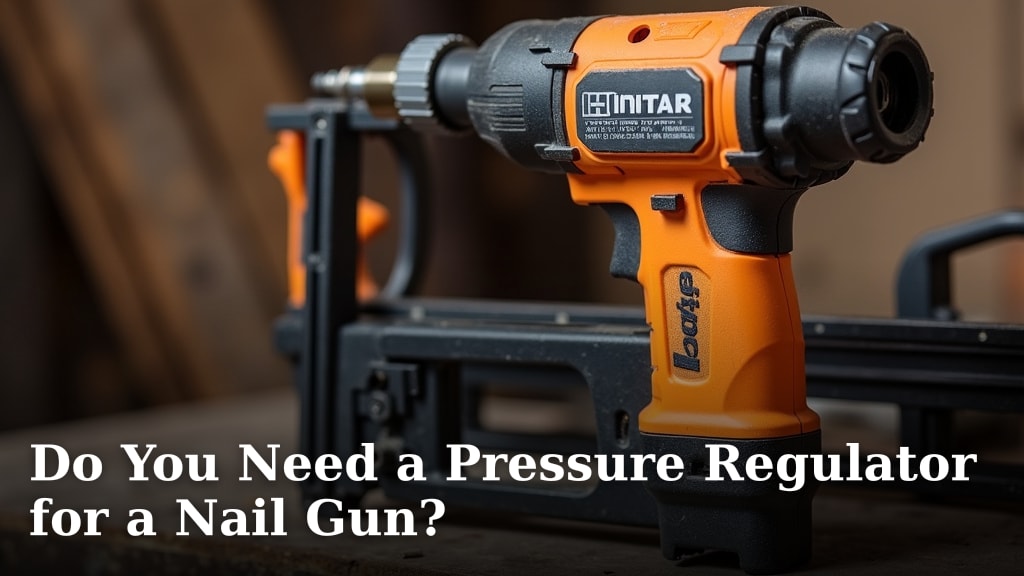
Yes, you almost always need a pressure regulator for a nail gun to ensure safe and effective operation. It helps you control the air pressure, preventing damage and improving your results. Without one, you risk inconsistent nailing and potential tool wear.
Think of it like this: your air compressor might deliver too much force. A regulator acts as a safety valve, letting you dial in the perfect pressure for your specific nail gun and task. This small device makes a big difference in how your projects turn out.
- Regulators prevent nail gun damage.
- They ensure consistent nailing depth.
- Improve safety during use.
- Are essential for different project types.
Let’s dive into why a pressure regulator is so important for your nail gun, and how to get the most out of it.
Why a Pressure Regulator is Essential for Your Nail Gun Setup
You need a pressure regulator for your nail gun because it allows you to precisely control the air pressure. This control is vital for safety, consistent performance, and protecting your tools.
Understanding How Your Compressor and Nail Gun Interact
Your air compressor is a powerful machine. It stores air under high pressure, ready to power various tools. But here’s the catch: it often delivers pressure far exceeding what your nail gun needs.
The Compressor’s Role: Raw Power
Think of your compressor as the muscle. It generates a lot of force, usually between 100 and 150 PSI (pounds per square inch). This high pressure is great for some tasks, like inflating car tires or running heavy-duty impact wrenches.
However, most nail guns operate best at much lower pressures. Running them at full compressor pressure can lead to problems.
The Nail Gun’s Needs: Finesse and Consistency
Your nail gun needs consistent, controlled air pressure. Too much pressure can overdrive nails, damaging your work surface or even the tool itself. Too little, and nails won’t seat properly.
Each nail gun has a recommended operating pressure range. This range is usually found in your tool’s manual. A regulator helps you stay within those guidelines.
The Dangers of Operating Without a Regulator
Skipping a pressure regulator might seem like saving a step, but it introduces several risks. These range from minor frustrations to significant safety hazards and costly damage.
Safety Concerns: More Than Just a Nuisance
An unregulated nail gun can be dangerous. When too much pressure is applied, nails can be driven with excessive force. This can cause nails to ricochet unexpectedly, posing a serious injury risk.
We found that flying debris or errant nails are common hazards in unregulated air tool use. Your safety glasses and gloves become even more critical when operating without a regulator.
Damage to Your Work Material
Imagine working on a beautiful piece of trim, only to have a nail shoot right through it. Or maybe it leaves a deep crater. This is a common consequence of too much pressure.
Soft woods are especially vulnerable. You’ll spend more time fixing mistakes than actually building. This wastes both material and your valuable time.
Wear and Tear on Your Nail Gun
Your nail gun’s internal components are designed for a specific pressure range. Consistently running it at higher pressures puts undue stress on seals, O-rings, and other moving parts.
This accelerates wear and tear, leading to premature failure. You might find yourself replacing parts or even the entire tool much sooner than expected. Many experts say that proper pressure control extends tool life significantly.
Inconsistent Nailing Depth
Have you ever had nails sticking out or nails driven too deep? Without a regulator, you’ll constantly battle inconsistent nailing depth. Even slight fluctuations in compressor pressure can cause this.
This means more time spent sinking proud nails or patching overdriven ones. It makes your finished project look less professional and takes away from your sense of accomplishment.
How a Pressure Regulator Works Its Magic
A pressure regulator is a simple, yet ingenious device. It acts as a gatekeeper for your air supply, ensuring your nail gun receives the exact pressure it needs.
The Internal Mechanism
Inside the regulator, there’s a diaphragm, a spring, and a valve. When air enters from the compressor, it pushes against the diaphragm. You adjust a knob, which compresses or releases the spring.
This spring pressure controls how much the valve opens. It allows a consistent amount of air to pass through at the desired pressure, regardless of what the compressor is doing.
Setting the Right Pressure
To set the pressure, you usually turn a knob while watching a gauge. The gauge displays the output pressure going to your tool. Most nail gun manuals will provide a recommended PSI range.
Start at the lower end of the recommended range. Test fire a few nails into a scrap piece of your material. Adjust the pressure up or down until the nails are perfectly flush with the surface.
Choosing the Right Pressure Regulator for You
Not all regulators are created equal. Knowing what to look for will help you pick the best one for your needs.
Integrated vs. Standalone Regulators
Some air compressors come with a built-in regulator. These are convenient and often sufficient for general use. However, a standalone regulator offers more flexibility and precision.
A standalone regulator can be placed closer to your workspace, making adjustments easier. It also allows you to fine-tune pressure for specific tools without affecting others on the same compressor.
Key Features to Look For
- Gauge Accuracy: A clear, easy-to-read gauge is a must. You need to trust the reading.
- Adjustment Knob: Look for a knob that’s easy to grip and turn, even with gloves on. Smooth adjustments are key.
- Durability: You want a regulator made from robust materials like brass or high-quality aluminum. It needs to withstand shop conditions.
- Port Size: Ensure the inlet and outlet port sizes match your air hose fittings (usually 1/4 inch NPT for most home users).
- Flow Rate (CFM): While less critical for nail guns, ensure the regulator can handle the CFM (cubic feet per minute) requirements of your largest air tools.
Setting Up Your Pressure Regulator: A Quick Checklist
Getting your regulator connected is straightforward. Follow these steps to ensure a secure and effective setup.
Here’s a quick checklist to guide you:
- Inspect your regulator for any visible damage before installation.
- Apply thread sealant tape or pipe dope to all threaded connections.
- Connect the regulator’s inlet to your air compressor’s main outlet.
- Attach your air hose to the regulator’s outlet port.
- Ensure all connections are tight to prevent air leaks.
- Gradually open the compressor’s air valve and check for leaks.
Maintaining Your Regulator: Keep It Running Smoothly
Like any tool, a pressure regulator benefits from a little care. Proper maintenance ensures it continues to perform accurately and reliably for years.
Routine Checks
Periodically check your regulator for any signs of wear or damage. Look for cracks in the housing or around the gauge. Pay attention to any air hissing sounds, which indicate a leak.
Leaks can waste compressed air and reduce the regulator’s efficiency. A simple leak detection spray can help you pinpoint hard-to-find leaks.
Cleaning and Storage
Keep your regulator clean. Dust and debris can clog internal mechanisms or obscure the gauge. Wipe it down with a clean, dry cloth after use.
Store your regulator in a dry, protected place when not in use. Extreme temperatures or moisture can shorten its lifespan. Detach it from the compressor if it’s going into long-term storage. You can learn more about why you should empty your air compressor after use to prevent moisture buildup and extend its lifespan.
When to Consider Replacing Your Regulator
Regulators don’t last forever. Knowing when to replace yours can save you headaches and keep your projects on track.
| Sign | What It Means |
|---|---|
| Inaccurate Gauge Readings | The gauge might be damaged or faulty, leading to incorrect pressure settings. |
| Constant Air Leaks | Internal seals or components may have failed and can’t be easily repaired. |
| Unable to Hold Pressure | If the output pressure drops significantly after setting it, the regulator is failing. |
| Difficulty Adjusting | A sticky or hard-to-turn adjustment knob indicates internal issues. |
| Visible Damage (Cracks, Bends) | Physical damage can compromise its function and safety. |
If you notice any of these signs, it’s time to invest in a new regulator. It’s a small investment that protects your larger tools and ensures consistent, safe results.
Remember, a reliable regulator is a cornerstone of effective pneumatic work. It’s not just an accessory; it’s a vital part of your toolkit.
Conclusion
You’ve seen why a pressure regulator isn’t just an accessory for your nail gun—it’s a necessity. From protecting your tools and materials to ensuring your safety and project quality, this small device makes a huge impact. It turns your powerful air compressor into a precise tool delivery system.
Don’t risk inconsistent results or potential damage. Take the time to properly set up and maintain a regulator. You’ll work more efficiently, achieve better finishes, and significantly extend the life of your nail gun. Go ahead and add this vital component to your pneumatic toolkit today.
Frequently Asked Questions
Can I use a nail gun without a regulator if my compressor has a small tank?
Even with a smaller compressor tank, a regulator is still essential. The tank size affects how long the compressor runs, not the peak pressure it delivers. You still need to control that pressure for safe and effective nailing.
Where is the best place to install a pressure regulator in my air line?
The best place is typically right after the compressor’s main outlet. This controls the pressure for all tools downstream. For maximum precision, you can also add a secondary regulator closer to your nail gun, especially if you’re using multiple tools at different pressures. Understanding how to set air compressor pressure switch can further enhance your control over air delivery.
How often should I check the pressure setting on my regulator?
You should check the pressure setting every time you start a new project or change nail gun types. Even if you’re using the same setup, a quick glance at the gauge ensures it hasn’t been accidentally bumped or adjusted, maintaining consistent results.
Will a pressure regulator reduce the power of my nail gun too much?
No, a regulator doesn’t “reduce power” in a negative sense. It helps you deliver the *correct* amount of power for the nail gun’s intended operation. Running your nail gun at its recommended PSI through a regulator means it will operate exactly as designed, not underpowered.
Are there any nail guns that don’t need a pressure regulator?
Battery-powered or corded electric nail guns do not require a pressure regulator because they don’t use compressed air. However, any pneumatic (air-powered) nail gun, regardless of its type, will benefit significantly from having a pressure regulator in the setup.
