
Is A 100 PSI Air Compressor Good?
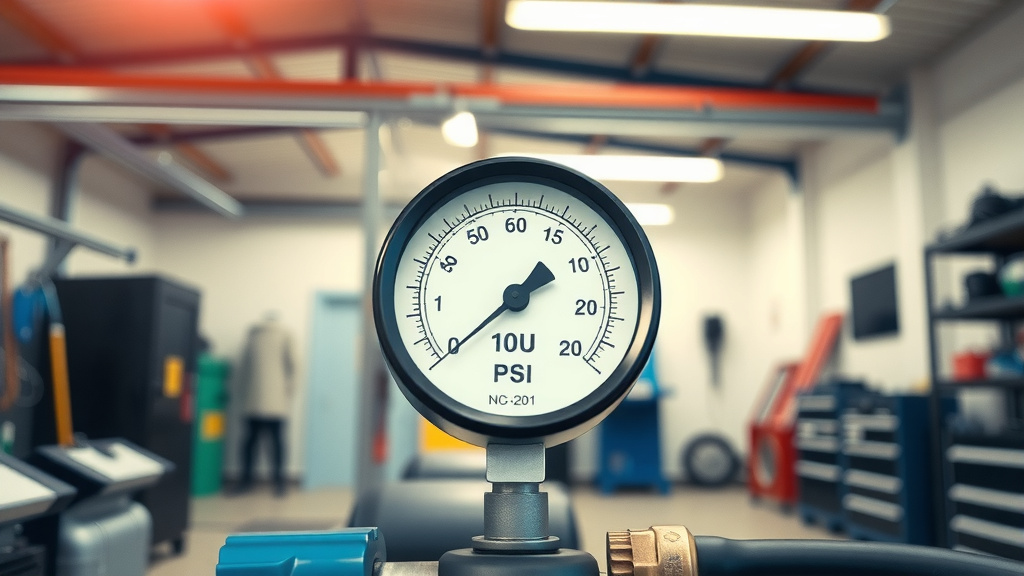
Yes, a 100 PSI air compressor is generally good for many common home and workshop tasks.
It offers sufficient power for things like inflating tires, operating nail guns, and light spray painting, making it a versatile choice for DIY enthusiasts and small projects.
- A 100 PSI air compressor is often a great all-around option for most homeowners.
- You’ll find it handles many tasks, from tire inflation to powering common air tools like nail guns.
- However, PSI isn’t the only factor; CFM (Cubic Feet per Minute) is equally important for tool performance.
- For very demanding, continuous, or large industrial tasks, you might need a compressor with higher PSI and CFM.
- Always match your compressor’s capabilities with the specific requirements of your tools.
Is A 100 PSI Air Compressor Good?
Generally, yes, a 100 PSI air compressor is quite good for a wide range of uses. Think of it as the utility player in your workshop. It’s a solid performer for many common jobs around the house and garage. We found that most homeowners and DIYers find this pressure level to be a very practical sweet spot (Consumer Reports insights).
Deciphering PSI: What It Means for Your Tools
PSI stands for Pounds per Square Inch. This number tells you the maximum pressure the compressor can generate. It’s like the “oomph” behind the air it pushes. Higher PSI means more force, which is necessary for certain tasks.
Many air tools specify a required PSI to operate correctly. For instance, a nail gun might need 90 PSI to drive nails effectively. A 100 PSI compressor gives you a little buffer, ensuring your tools get the pressure they need without maxing out the machine.
CFM: The True Indicator of Airflow
While PSI is important, CFM (Cubic Feet per Minute) is arguably even more so. CFM measures how much air an compressor can deliver consistently. Imagine PSI as the force of a water hose, and CFM as the volume of water flowing through it. Some tools need a lot of air volume, even if the pressure isn’t super high.
Many experts agree that you should always match your compressor’s CFM to the CFM requirements of your air tools. If your tool needs 4 CFM at 90 PSI, your compressor should deliver at least that much. Otherwise, your tool might lag or stop working as it runs out of air.
What Can a 100 PSI Compressor Handle?
A 100 PSI compressor is surprisingly capable. You’ll find it ready for a variety of projects. It’s a true workhorse for the average home or small workshop, offering plenty of power for common tasks.
Common Home and Workshop Tasks
For most of us, a 100 PSI unit covers the basics and more. It’s like having an extra pair of hands for those routine maintenance jobs and fun projects. Research often shows this pressure level is a top choice for versatility (DIY Network data).
Inflating Tires and Sports Gear
Need to top off your car tires, bicycle tires, or even a basketball? A 100 PSI compressor handles these with ease. You can quickly bring items up to their recommended pressure, saving you trips to the gas station. It’s perfect for keeping your vehicles and toys ready to go.
Powering Nailers and Staplers
If you’re into woodworking or home renovation, a 100 PSI compressor is your friend. It powers framing nailers, finish nailers, and staplers efficiently. This means smoother operation and fewer jams for your fastening jobs.
Light Spray Painting
Planning to repaint some furniture or a small fence? A 100 PSI compressor can run many paint spray guns for light-duty applications. Always check your spray gun’s specific PSI and CFM needs, but for many home projects, this compressor pressure works well for even coatings.
General Cleaning Tasks
Need to blow dust off your workbench or clean out a clogged pipe? Attach an air blow gun, and your 100 PSI compressor is ready. It provides enough force to clear debris, making cleanup quick and efficient around your workspace.
When 100 PSI Might Fall Short
While a 100 PSI air compressor is versatile, it isn’t a universal solution. There are times when you’ll hit its limits. It’s important to understand these situations to avoid frustration and ensure you have the right tool for the job.
Heavy-Duty Tool Demands
Some tools require higher pressure or, more commonly, a much higher volume of air (CFM) for continuous use. Think of things like large impact wrenches for loosening stubborn lug nuts on trucks. These often demand more than 100 PSI or significantly more CFM than a typical home compressor provides.
Professional or Industrial Applications
For commercial sandblasting, continuous operation of air grinders, or professional body shops, a 100 PSI unit simply won’t cut it. These applications typically need compressors that deliver much higher PSI, along with a large and consistent CFM output, often from industrial-grade machines.
If your work involves running multiple tools simultaneously or tools with very high air demands for extended periods, you’ll likely need a compressor with a larger tank and a more powerful motor capable of sustaining that higher output. Many industry guidelines recommend specialized equipment for professional use (OSHA recommendations).
Factors Beyond PSI: Choosing Your Compressor
Picking the right air compressor involves looking at more than just pressure. It’s like choosing a car; you consider horsepower, but also fuel economy and size. Let’s look at other elements that play a big role in performance and convenience.
Tank Size and Portability
The tank size dictates how much compressed air is stored. A larger tank means the compressor runs less often, providing a more consistent air supply, especially for tools with higher CFM needs. Portability affects where you can use it. Do you need to move it around often, or will it stay in one spot?
Here’s a quick comparison to help you decide:
| Feature | Small Tank (e.g., 2-6 Gallons) | Medium Tank (e.g., 10-30 Gallons) |
|---|---|---|
| Typical 100 PSI Use | Inflating, brad nailing, airbrushing | Framing nailing, light impact, general workshop tasks |
| Portability | Highly portable, easy to move | Less portable, often wheeled, good for garage |
| Continuous Air Flow | Limited, compressor cycles frequently | Better, sustains tools longer before cycling |
| Noise Level | Often loud, but smaller pump | Can be quieter, but larger pump sound |
Essential Maintenance Tips
To keep your 100 PSI compressor running smoothly, a little care goes a long way. Regular maintenance extends its lifespan and ensures reliable performance. We found these steps are critical for all air compressors (Manufacturer guidelines).
- Drain the Tank Regularly: Water accumulates from condensation; drain it after each use to prevent rust.
- Check Air Filters: Clean or replace the air filter periodically to ensure clean air intake.
- Monitor Oil Levels (if applicable): For oil-lubricated models, check and top up the oil regularly.
- Inspect Hoses and Connections: Look for leaks or cracks that could reduce efficiency.
- Store Properly: Keep your compressor in a dry, clean environment when not in use.
Conclusion
So, is a 100 PSI air compressor good? Absolutely, for the vast majority of homeowners and DIYers, it’s a fantastic and versatile choice. It provides ample pressure for common tasks like inflating, nailing, and light painting, making it a valuable addition to any workshop.
Just remember that PSI tells only part of the story. Always consider the CFM requirements of your specific tools. By understanding both PSI and CFM, along with tank size and proper maintenance, you can ensure your 100 PSI compressor serves you well for many projects to come. It’s about matching the tool to the task, and for many home applications, this compressor hits the mark.
What kind of air tools can a 100 PSI air compressor power?
A 100 PSI air compressor can power a wide array of tools suitable for home use, including nail guns (framing, finish, brad), staplers, tire inflators, air blow guns for cleaning, and many smaller paint spray guns for light applications. You can also run airbrushes for intricate work.
Is 100 PSI enough for automotive work?
For basic automotive tasks like inflating tires, cleaning engine bays with an air blow gun, and even light impact wrench use for smaller bolts, 100 PSI is generally sufficient. However, for continuous heavy-duty impact wrench work, specialized tools for commercial garages, or large-scale tire changes, you might need a compressor with higher CFM and possibly higher PSI.
How does tank size relate to 100 PSI?
Tank size determines how much compressed air is stored. While your compressor might produce 100 PSI, a larger tank allows it to deliver that air for a longer duration without the motor constantly cycling. For tasks needing consistent airflow, like spray painting, a larger tank (e.g., 20-30 gallons) is often preferred, even at 100 PSI, compared to a smaller 2-gallon tank.
Can I use a 100 PSI air compressor for sandblasting?
You can use a 100 PSI air compressor for very light, intermittent sandblasting on small items, but it’s generally not ideal for serious sandblasting projects. Sandblasting demands very high CFM (often 8-20+ CFM) for continuous operation, which most home-grade 100 PSI compressors, regardless of PSI, cannot sustain. You’d typically need a much larger, industrial-grade compressor for effective sandblasting.
What’s the main difference between PSI and CFM for an air compressor?
PSI (Pounds per Square Inch) measures the maximum pressure or force the compressor can generate, indicating how hard the air can push. CFM (Cubic Feet per Minute) measures the volume of air delivered per minute, indicating how much air the compressor can supply consistently. Both are crucial, but CFM often dictates whether a tool can operate continuously without the compressor struggling to keep up, while PSI ensures the tool has enough force to function.
