Is 120 PSI Air Compressor Good?
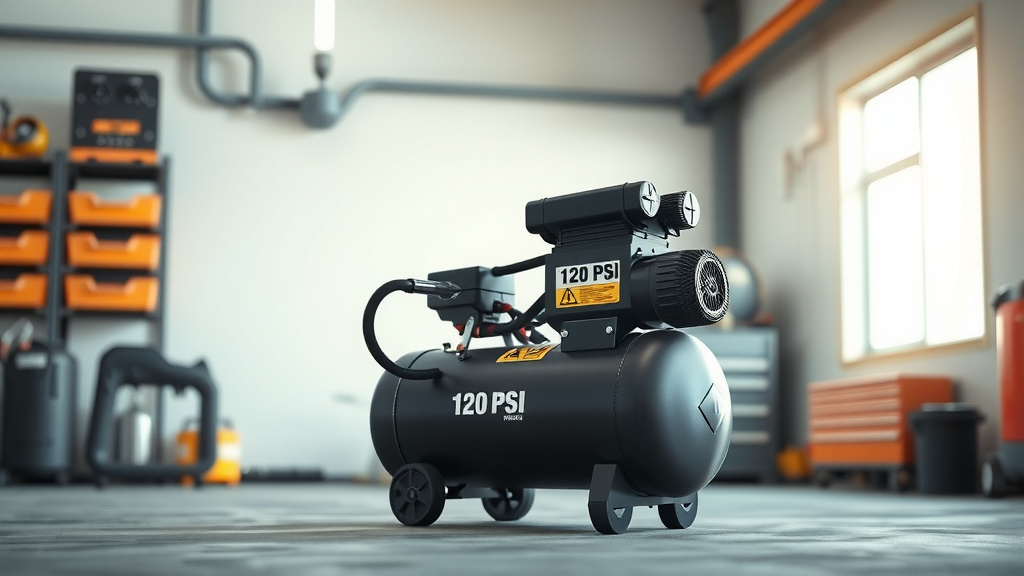
Yes, a 120 PSI air compressor is generally a very good and highly versatile choice, providing ample power for a wide array of common home, garage, and light professional tasks.
You will find this pressure level suitable for everything from quickly inflating car tires to powering many types of nail guns and even operating impact wrenches, making a 120 PSI air compressor a reliable tool for most users.
- A 120 PSI compressor is exceptionally versatile for both personal and lighter trade use.
- It excels at tasks like inflating items, driving fasteners, and supporting automotive work.
- Always look beyond just PSI; consider CFM, tank size, and duty cycle for a complete picture.
- While strong, it might not suit heavy industrial or constant, high-demand applications.
- Matching your compressor’s specifications directly to your air tools ensures optimal performance.
Is 120 PSI Air Compressor Good?
Yes, a 120 PSI air compressor is generally a very capable and versatile tool, perfectly suited for the needs of most home users and many light professional jobs. It provides ample power for a wide array of air tools.
This pressure level means you can tackle tasks like inflating tires, powering nail guns, and even operating impact wrenches without a hitch, making it a solid choice for your workshop.
Understanding PSI: What Does it Really Mean?
PSI stands for Pounds Per Square Inch. This measurement tells you the maximum pressure your compressor can generate. Think of it as the “pushing power” of the air.
A higher PSI means the air can exert more force. For air tools, having enough PSI ensures they operate correctly and efficiently, completing tasks with the necessary strength.
What Can You Do with a 120 PSI Air Compressor?
A 120 PSI air compressor truly opens up a world of possibilities for your projects. Its pressure output makes it compatible with a wide variety of air-powered equipment.
Many users find this pressure sweet spot enough for nearly everything they need to do around the house or in a small professional setting.
Common Home & Garage Tasks
For your home workshop, a 120 PSI unit is often the perfect companion. You will easily handle daily maintenance and hobby projects with this kind of compressor.
- Tire Inflation: From car and bicycle tires to sports balls, you can quickly bring them up to the correct pressure.
- Nail Guns: Powering framing nailers, brad nailers, and finish nailers for construction or woodworking.
- Staplers: Perfect for upholstery, insulation, or other fastening tasks.
- Blowing Dust and Debris: A simple blow gun makes quick work of cleaning surfaces or machinery.
- Small Painting Projects: Many paint sprayers operate effectively within this pressure range, especially for touch-ups.
Light Professional Use
Even for those who use air tools for their livelihood, a 120 PSI compressor can often keep up with demands. Many experts say this pressure offers a great balance of power and usability.
Automotive enthusiasts and some contractors find these compressors quite useful. You can perform routine vehicle maintenance or detailed carpentry work.
Think about jobs like tightening lug nuts with an impact wrench, rotating tires, or installing trim work. These are all well within reach for a 120 PSI machine.
When Might 120 PSI Be Too Much or Too Little?
It is helpful to consider if 120 PSI perfectly aligns with your specific needs. Sometimes it is ideal, other times you might need to adjust your expectations or equipment.
Understanding these scenarios helps you make the best decision for your workshop investment.
Tasks Where 120 PSI Shines
A 120 PSI compressor truly shines for tasks requiring a strong, but not continuous, blast of air. It is great for tools that cycle on and off, like nail guns or impact wrenches (research often shows these tools use bursts of air).
You get the force needed for fastening or loosening without requiring an industrial-grade machine. This level offers a good pressure reserve for intermittent demands.
When You Might Need More
For some heavy-duty industrial applications, 120 PSI might not be quite enough. Consider very large-scale sandblasting or certain heavy-duty manufacturing tools.
These tasks often need sustained higher pressure, perhaps 175 PSI or more, along with a significant volume of air. If you plan for constant, high-demand operation, you might look at larger compressors.
When Less PSI Works Fine
Sometimes, you actually need much less pressure. Delicate tasks like airbrushing, for example, typically use under 50 PSI. Inflating an air mattress also requires minimal pressure.
The good news is that a 120 PSI compressor will usually have a regulator. This allows you to reduce the output pressure for these lighter jobs, giving you fine control.
Beyond PSI: Other Factors to Consider
While PSI is important, it is only one piece of the puzzle. To truly gauge a compressor’s suitability, you need to look at other key specifications.
Considering these factors helps you select a machine that will perform reliably and efficiently for your specific tasks.
The Importance of CFM
CFM, or Cubic Feet per Minute, measures the volume of air your compressor can deliver. Think of it as the “stamina” of the compressor, not just its “pushing power.”
Many experts agree that CFM is often more critical than PSI. If your tool needs 5 CFM to run, your compressor must supply at least that much (ISO standards guide many tool ratings).
If your compressor’s CFM is lower than your tool’s requirement, the tool will operate weakly or stall. Always match your compressor’s CFM to your most demanding tool.
Tank Size Matters
The air tank acts like a reservoir, storing compressed air. A larger tank means your compressor runs less often, as it holds more air before needing to refill.
This is especially helpful for tools that use short bursts of air, giving you more working time between compressor cycles. For continuous tools, a larger tank helps, but CFM remains key.
Smaller tanks mean more portability but more frequent cycling. Your choice here depends on your workspace and how often you need to move the compressor.
Duty Cycle: Work vs. Rest
Duty cycle tells you how long a compressor can run continuously within a given period before needing to rest. For instance, a 50% duty cycle means it can run for 30 minutes in an hour.
Running a compressor beyond its recommended duty cycle can lead to overheating and premature wear, especially for oil-lubricated models. We found this is a common point of concern for compressor longevity.
For most home and light professional use, where tools are used intermittently, a typical duty cycle is usually sufficient. But for constant work, check for a higher duty cycle rating.
Choosing the Right Compressor for Your Needs
Finding the perfect air compressor involves a bit of homework. You want a machine that is neither underpowered nor overkill for your typical projects.
Consider your current tool collection and think about any future additions. This forward-thinking approach can save you time and money.
Check Your Tools’ Requirements
Before buying, always check the PSI and CFM requirements for your air tools. This information is usually found in their manuals or on the tool itself.
You will want a compressor that meets or slightly exceeds the highest CFM demand of your tools. Many experts suggest adding a 20% buffer to the CFM to ensure smooth operation.
Think About Future Projects
It is easy to outgrow a compressor if you expand your tool collection. If you plan to add more powerful tools down the line, buying a slightly larger compressor now can be a wise investment.
This approach gives you more flexibility and prevents you from needing to upgrade too soon. Consider your long-term goals for your workshop.
| Common Task | Typical PSI Needed | Estimated CFM Needed |
|---|---|---|
| Inflating Car Tires | 70-90 PSI | 1-3 CFM |
| Brad Nailer | 70-90 PSI | 0.3-0.5 CFM |
| Framing Nailer | 80-100 PSI | 2-4 CFM |
| Impact Wrench (1/2″) | 90 PSI | 4-6 CFM |
| Blow Gun | 30-50 PSI | 3-5 CFM |
Maintenance Tips for Your 120 PSI Compressor
Proper maintenance is key to the longevity and efficient operation of your air compressor. A little care goes a long way in ensuring your unit serves you well for years.
Neglecting simple steps can lead to reduced performance and costly repairs. Take a few moments after each use to keep things running smoothly.
- Drain condensate from the tank daily after use.
- Inspect the air filter and clean or replace it as needed.
- Verify the oil level in oil-lubricated models regularly.
- Check for air leaks around fittings and hoses.
- Store your compressor in a dry, protected environment.
- Consult your owner’s manual for specific service intervals.
Is a 120 PSI Air Compressor Right for Your Shop?
For most DIY enthusiasts, hobbyists, and those running light professional operations, a 120 PSI air compressor is an excellent and practical choice. It balances sufficient power with general usability.
You can effectively run a broad spectrum of common air tools. Just remember to consider CFM and tank size alongside PSI to ensure you have the perfect match for your specific applications.
Conclusion
In summary, a 120 PSI air compressor is a genuinely good and adaptable investment for the vast majority of users. It offers ample pressure for nearly all common home, garage, and light professional tasks, making it a powerful foundation for your projects.
While PSI is important, remember to look at the full picture—considering CFM, tank size, and duty cycle will help you make a truly informed decision. When matched correctly to your tools, a 120 PSI unit will serve you reliably and effectively, helping you achieve your goals with confidence and power.
How often should I drain my 120 PSI air compressor tank?
It is best to drain the condensate from your compressor tank after every use. This simple habit prevents rust from building up inside the tank, which can extend the lifespan of your unit and maintain air quality.
Can a 120 PSI compressor run a sandblaster?
A 120 PSI compressor can operate smaller, intermittent sandblasters, like those for spot repair. However, heavy-duty or continuous sandblasting applications typically require much higher CFM delivery, often beyond what most 120 PSI home compressors provide, to maintain consistent blasting power.
What’s the difference between PSI and CFM?
PSI (Pounds Per Square Inch) measures the force or pressure of the air, indicating how hard the air can push. CFM (Cubic Feet per Minute) measures the volume of air delivered, showing how much air is available. You need enough PSI for the tool to operate, and enough CFM for it to run continuously.
Is an oil-free or oil-lubricated 120 PSI compressor better?
It depends on your priorities. Oil-free compressors are generally lighter, require less maintenance, and produce cleaner air, but can be noisier and have a shorter lifespan. Oil-lubricated models are typically quieter, more durable, and have longer duty cycles, but need regular oil changes and can introduce oil into the air line.
How do I know if my tools will work with a 120 PSI compressor?
Always check the specifications or manual for each of your air tools. They will list the minimum required PSI and CFM. Ensure your 120 PSI compressor can meet or slightly exceed both the PSI and, critically, the CFM requirements of your most demanding tool for optimal performance.
