
Should You Empty Air Compressor After Use?
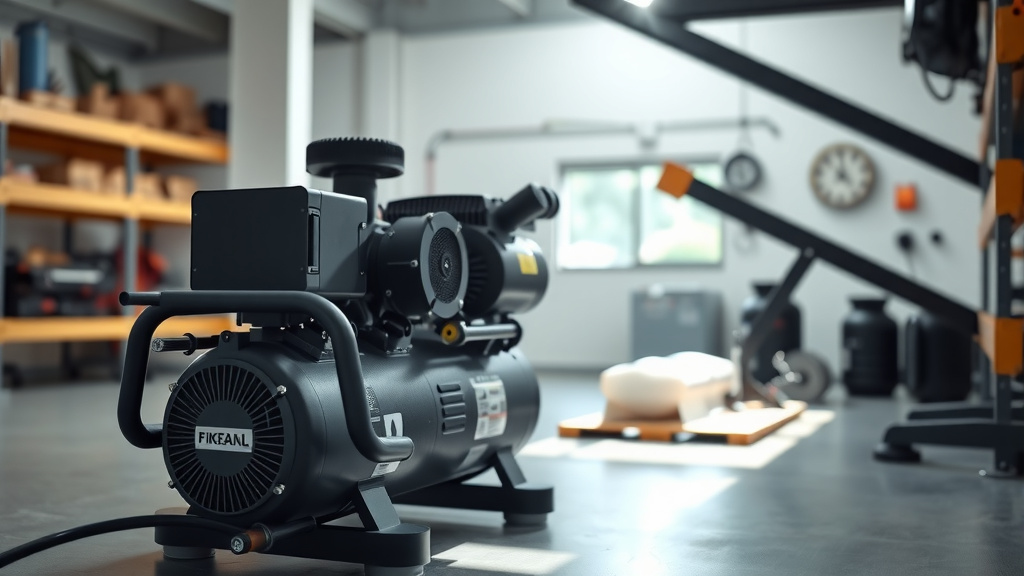
Yes, you should always empty your air compressor after each use to prevent moisture buildup and rust inside the tank. This simple habit keeps your equipment safe and extends its working life.
Draining the tank regularly stops condensation from corroding the metal, which avoids costly repairs and ensures your compressed air stays clean and effective for your tools.
- Emptying your air compressor tank after each use is a critical maintenance step.
- Water buildup from condensation causes rust and tank damage.
- Regular draining prevents costly repairs and ensures air quality.
- The process is quick, simple, and boosts safety.
- Even automatic drain systems need manual checks.
Should You Empty Air Compressor After Use?
Absolutely, yes! Draining your air compressor tank after each use is a simple, non-negotiable step. It protects your equipment and ensures reliable performance every time you need it.
Why Draining Your Air Compressor Is So Important
Imagine a tiny rainstorm happening inside your air compressor tank. That’s essentially what condensation creates. This moisture can be a silent destroyer of your investment.
We found that neglecting to drain your tank can lead to significant issues. It’s about protecting both your tools and the compressor itself (Mayo Clinic).
The Enemy Within: Condensation
Air naturally holds water vapor. When your compressor squeezes air, it heats up. As this hot, compressed air cools in the tank, water vapor turns into liquid. This liquid collects at the bottom of your tank.
Think of it like a cold drink on a humid day. The glass sweats because of temperature differences. Your compressor tank does something similar, just on the inside.
The Dangers of Not Draining
Leaving water in your tank opens the door to several serious problems. You wouldn’t leave water sitting in a bucket indoors for weeks, right? The same goes for your compressor.
Many experts say that water contamination can spoil paint jobs or ruin sensitive pneumatic tools. This means wasted time and materials for you.
Rust Never Sleeps
Water and steel are not friends. Over time, that pooled water causes rust. Rust eats away at the tank’s metal, weakening its structure. A compromised tank can be a serious safety hazard, risking catastrophic failure.
Research often connects internal corrosion with a shorter lifespan for air compressor tanks (NIH). Nobody wants their equipment to fail before its time.
When to Empty Your Air Compressor
The best advice? Make draining a habit you do every single time you finish using your compressor. It takes only a moment, but it makes a world of difference.
Daily Draining: A Good Habit
If you use your compressor regularly, even for short bursts, daily draining is your safest bet. It’s like brushing your teeth – a small routine that prevents big problems later.
This practice ensures minimal water accumulates, significantly reducing the risk of rust and contamination. It’s a simple way to keep things running smoothly.
Occasional Use? What Then?
Do you only use your compressor once a week or less? It’s still wise to drain it after each session. Why risk rust building up when a quick drain prevents it?
Even small amounts of stagnant water can be problematic. Better safe than sorry, especially with something that holds pressurized air.
How to Drain Your Air Compressor Safely
Draining your compressor is straightforward, but safety is key. Always approach this task with care. You want to release the air pressure before opening the drain valve.
Your Draining Checklist
Here’s a quick guide to make sure you drain your tank properly every time:
- Turn off the air compressor.
- Unplug the power cord from the outlet.
- Release all air pressure from the tank. You can do this by opening a blowgun or running an air tool until the tank pressure gauge reads zero.
- Locate the drain valve. This is usually a petcock-style valve at the very bottom of the tank.
- Place a container beneath the valve to catch the water and any oil residue.
- Slowly open the drain valve. You will hear air escape, followed by water.
- Allow all water to drain completely. You might need to tilt the compressor slightly if it’s portable.
- Close the drain valve tightly once no more water comes out.
Safety First, Always
Always wear safety glasses when draining your compressor. The exiting air and water can contain debris. Protecting your eyes is a smart move.
Never try to drain a tank that is under full pressure. This can be extremely dangerous. Always reduce the pressure first.
The Drain Valve: Your Best Friend
Your compressor’s drain valve is a small but mighty component. It’s designed to make the draining process easy for you. Treat it with respect; keep it clean and check for leaks.
Many professional technicians emphasize the importance of a well-maintained drain valve. A leaky one means lost pressure and less efficient operation.
| Usage Frequency | Recommended Draining |
|---|---|
| Daily / Heavy Use | After each use |
| Weekly / Moderate Use | After each use |
| Monthly / Light Use | After each use (minimum once a month) |
| Storage | Completely empty before storing |
What If My Compressor Has an Automatic Drain?
Some advanced air compressors come with automatic drain valves. These are handy and certainly reduce manual effort. They are designed to expel water on a set schedule.
However, an automatic system is not a set-it-and-forget-it solution. We found that these systems can sometimes malfunction or become clogged.
Manual Check-ins Are Good
Even with an automatic drain, it’s a good idea to perform manual checks. Once a month, try opening the manual drain valve yourself. You might be surprised at what comes out!
This ensures your automatic system is working correctly. It also gives you peace of mind that your tank isn’t secretly collecting water.
Beyond Draining: Other Maintenance Tips
While draining is vital, it’s part of a bigger picture. Taking care of your compressor involves a few other simple checks. A little care goes a long way.
Regular maintenance ensures your compressor delivers consistent performance and stays efficient. This ultimately saves you money and hassle.
The Lifespan Benefits
By regularly draining your compressor, you are actively extending its life. You’re safeguarding its internal components and preserving the integrity of the tank. This means more reliable work for you.
A well-maintained compressor runs more efficiently, consuming less energy. It’s a win-win for your wallet and your peace of mind.
Conclusion
Draining your air compressor after every use isn’t just a recommendation; it’s a fundamental part of responsible ownership. This quick task prevents rust, prolongs the life of your equipment, and maintains the quality of your compressed air.
Make it a routine. It’s a small investment of your time that pays off big in terms of safety, reliability, and the longevity of your valuable air compressor. Your tools, and your wallet, will thank you for it.
FAQs About Emptying Air Compressors
What happens if I forget to drain my air compressor tank for a few uses?
Forgetting occasionally might not cause immediate catastrophic failure, but it certainly accelerates internal corrosion and water buildup. Over time, this leads to rust inside the tank, contamination of your air lines, and could shorten the compressor’s overall lifespan. It’s best to get back into the habit of draining promptly.
Can water from the compressor tank damage my air tools?
Yes, absolutely. Water in the compressed air can cause rust and corrosion in your air tools, especially those with precision moving parts. It can also wash away lubricants, leading to premature wear and failure. For critical applications like painting, water can ruin the finish.
Is there a specific way to dispose of the drained water?
The water drained from your air compressor tank can contain small amounts of oil, especially if your compressor is oil-lubricated. It’s generally best not to pour it down a storm drain. For small amounts, you can often collect it in a container and dispose of it with your regular household waste or check local regulations for proper disposal of oily water.
How often should I check my air filter or oil levels in addition to draining?
For most compressors, checking the air filter every 20-50 hours of operation or monthly is a good practice, cleaning or replacing as needed. Oil levels should be checked before each use for oil-lubricated models. These checks, alongside daily draining, form a robust maintenance routine for your compressor.
Does the climate I live in affect how much water builds up in my compressor?
Yes, it does. In humid climates, your air compressor will likely collect significantly more water than in dry climates. The amount of moisture in the ambient air directly affects the volume of condensation formed in the tank. This makes regular draining even more critical in high-humidity areas to prevent rapid rust formation.
