Why Do Air Tools Need Lubrication?
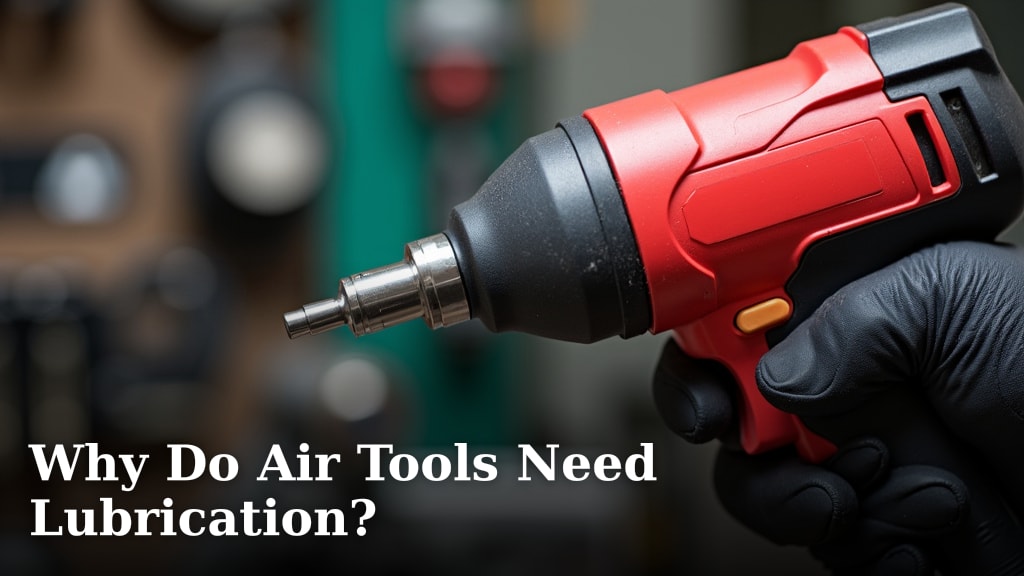
Air tools need lubrication to keep their internal parts moving smoothly. This prevents friction and wear, which can damage your tools. Proper lubrication ensures your air tools perform at their best and last much longer.
Without oil, the compressed air can actually dry out the metal components. This leads to rust and makes them stiff. Think of it like not oiling a squeaky hinge; it just gets worse over time. Keeping them oiled is essential for longevity and performance.
- Air tools need oil to reduce friction.
- Lubrication prevents internal parts from wearing out.
- It stops rust and keeps tools working smoothly.
- Regular oiling extends the lifespan of your tools.
Let’s walk through why keeping your air tools properly oiled is so important and what happens if you don’t.
The Importance of Oiling Your Air Tools
Think of your air tools like a hardworking athlete. They need the right fuel and care to perform their best. For air tools, that means proper lubrication. Without it, friction and wear can quickly take their toll, turning your trusty tools into grumpy, underperforming machines.
We’ve all been there: a tool that used to zip and whiz now sputters and groans. Often, the culprit is simple neglect – a lack of oil. Keeping your air tools oiled isn’t just a good idea; it’s essential for their health and longevity. Let’s look at why.
Friction: The Silent Killer of Air Tools
Inside every air tool, tiny metal parts are constantly moving. They spin, slide, and impact each other at high speeds. This rapid movement creates friction. Friction generates heat and causes wear. Too much friction is like a constant battle inside your tool. This battle wears down the metal surfaces over time.
Lubrication creates a slick barrier between these moving parts. This barrier reduces direct contact. Less contact means less friction. Less friction means less heat and less wear. It’s a simple principle that makes a huge difference in how long your tool lasts.
How Oil Fights Friction
Air tools run on compressed air. This air can be dry and stripped of natural moisture. When this dry air passes through the tool, it can actually wick away any existing lubrication. It also has a drying effect on the metal itself. This makes the parts more prone to seizing up.
Specialized air tool oil contains additives. These additives help create a robust film. This film protects the metal surfaces even under high pressure and speed. It’s like giving your tool a comfortable, protective layer to work in.
Preventing Internal Wear and Tear
Friction is the primary cause of wear. But even beyond that, compressed air itself can be abrasive. Tiny particles of dust or debris can get into the air line. These particles can act like sandpaper, scratching and grinding internal components. This is especially true if you’re using air from a compressor that isn’t perfectly clean.
Lubrication helps here too. The oil film can trap small particles. It then carries them away or prevents them from causing damage. This protective barrier is key to maintaining the precision of your air tool’s parts. Think of it like oil in your car engine; it keeps the pistons and cylinders from grinding themselves to dust.
The Consequences of Unchecked Wear
When parts wear down, the tool’s performance suffers. You might notice a loss of power. The tool might become slower or less efficient. In some cases, worn parts can cause the tool to jam or break completely. Repairing air tools can sometimes be costly. Preventing wear is always more economical.
We found that many tool failures are directly linked to a lack of proper lubrication. Manufacturers design these tools with tight tolerances. Even a small amount of wear can throw off their balance and function. It’s a domino effect that starts with a dry, overworked part.
Combating Rust and Corrosion
Metal and moisture are not friends, especially in industrial settings. Compressed air, even though it’s air, can hold moisture. This moisture can condense inside your tools. When this happens, rust can begin to form. Rust weakens metal and causes it to degrade.
Air tool oil acts as a barrier against moisture. It coats the internal metal surfaces. This coating prevents water droplets from making contact with the metal. This is particularly important for tools that might be stored for periods or used in humid environments. You wouldn’t leave your bike chain out in the rain without grease, right? Your air tools need similar protection. This coating prevents water droplets from making contact with the metal, which is crucial for preventing rust.
Why Moisture is a Problem
When rust forms, it’s not just a cosmetic issue. Rust particles can break off. These particles can then clog up air ports or damage other moving parts. This creates a cycle of damage. The tool becomes less functional, and the rust continues to spread.
Many compressor systems have filters and dryers. These help remove moisture from the air supply. However, they aren’t always perfect. Some residual moisture can still make its way into your tools. Relying solely on air filtration is not enough. Direct lubrication provides that extra layer of defense.
Maintaining Optimal Performance
An oiled air tool simply works better. When parts move freely without excessive friction, the tool can deliver its full power. This means your impact wrench hits harder. Your sander smooths surfaces more effectively. Your nail gun drives fasteners with consistent force.
When you lubricate your tools correctly, you ensure that the compressed air is used efficiently. Less air is wasted fighting internal resistance. This can even lead to slight savings on your air compressor’s energy consumption. It’s about keeping your tool at its peak operating condition. You want it to perform when you need it most.
The Difference You’ll Feel and See
You can often feel the difference when a tool is properly lubricated. It will sound smoother. It will vibrate less. It will operate with more authority. A poorly lubricated tool might feel sluggish or hesitant. It might make unpleasant grinding or squealing noises.
Think about a brand-new tool. It typically runs beautifully. That’s because it’s clean, well-machined, and factory-lubricated. Regular maintenance, including proper oiling, helps you keep that new-tool feel for much longer. It’s about preserving that initial quality.
Extending the Lifespan of Your Tools
This is perhaps the most obvious benefit. Tools that are well-maintained last longer. By reducing friction, preventing wear, and fighting rust, you are directly contributing to the longevity of your air tools. A properly oiled tool can last for many years, even under heavy use.
Conversely, neglecting lubrication is like slowly killing your tools. You’ll find yourself replacing them more often. This adds up to a lot of wasted money. For professionals, this downtime and replacement cost can seriously impact their business. For DIYers, it means more trips to the store and less time enjoying their projects.
A Small Investment, Big Returns
A bottle of quality air tool oil is relatively inexpensive. The amount of oil you use for each tool application is also very small. When you compare the cost of this oil to the cost of a new tool or a major repair, it’s a no-brainer investment. You’re protecting your assets.
We found that many users who regularly lubricate their tools report fewer breakdowns. They also notice that their tools maintain their original power and speed for a longer time. It’s a simple habit that pays off in the long run. Your tools will thank you for it.
The Role of Air Tool Oil Types
Not all oils are created equal. There are different types of air tool oils. Some are general-purpose. Others are formulated for specific types of tools or operating conditions. Using the wrong type of oil might not provide adequate protection. Some oils can even damage seals or internal components.
Always check your tool’s manual. It will usually recommend the correct type of lubricant. General-purpose air tool oil is often a good choice for most common tools. For specialized applications, like high-speed grinders or tools operating in extreme temperatures, specific formulations might be necessary. Using the right oil matters.
Common Oil Formulations
Most air tool oils are mineral-based or synthetic. They contain additives to enhance their performance. These additives can include rust inhibitors, anti-wear agents, and tackifiers. Tackifiers help the oil cling to moving parts, ensuring better coverage. We found that synthetic oils often offer superior performance and protection, especially in demanding situations.
Water-resistant additives are also common. These help repel moisture. When you’re choosing an oil, look for one that is specifically designed for air tools. Avoid using general lubricants like WD-40 or motor oil. They aren’t formulated for the unique demands of air tool operation and can cause damage.
Checklist: Keeping Your Air Tools Happy
Here’s a quick rundown to ensure your air tools get the lubrication they need:
- Always use oil specifically designed for air tools.
- Check your tool’s manual for recommended oil type and frequency.
- Apply a few drops before each use or as recommended.
- Drain excess oil after use if instructed by the manufacturer.
- Store tools in a clean, dry place.
- Consider using an in-line oiler for frequently used tools.
A Quick Comparison: Oiled vs. Unoiled Air Tools
To really drive home the point, let’s look at the differences:
| Feature | Properly Lubricated Tool | Unoiled Tool |
|---|---|---|
| Performance | Consistent power, smooth operation, full speed. | Reduced power, sluggishness, slower speeds. |
| Lifespan | Extended operational life, fewer breakdowns. | Shortened lifespan, frequent repairs or replacement. |
| Internal Condition | Minimal wear, free of rust, clean components. | Accelerated wear, rust formation, potential component damage. |
| Noise | Quieter, smoother operational sound. | Louder, grinding, or squealing noises. |
| Maintenance Needs | Regular, simple lubrication routine. | Frequent repairs, potential for major component failure. |
Conclusion
You’ve learned that lubricating your air tools is essential for their survival. It’s not just about keeping them running smoothly today. Proper oiling actively fights friction, prevents wear, and stops rust in its tracks. Your tools will perform better, last longer, and save you money on repairs and replacements. Think of it as a small investment in keeping your favorite tools in top shape.
So, make it a habit! Grab the right air tool oil and give your tools a few drops before your next project. You’ll notice the difference, and your tools will thank you for the care.
Frequently Asked Questions
How often should I lubricate my air tools?
You should lubricate your air tools regularly. A good rule of thumb is a few drops before each use, especially for tools you use often. Check your tool’s manual for specific recommendations from the manufacturer. Consistent lubrication is key to preventing damage.
Can I use regular motor oil in my air tools?
No, you should not use regular motor oil or WD-40. Air tools require specialized lubricants. These oils have additives designed to handle the high speeds and pressures inside air tools. Regular oils can break down, damage seals, or leave residue that harms your tools.
What happens if I forget to lubricate my air tools?
Forgetting to lubricate your air tools can lead to serious problems. You’ll experience increased friction and wear, reduced power, and potential rust formation. Over time, this neglect can cause your tools to break down prematurely, requiring costly repairs or replacement.
Are there different types of air tool oil?
Yes, there are different types of air tool oil. Most are mineral-based or synthetic. Some are general-purpose, while others are formulated for specific uses like high-speed tools or extreme temperatures. Always refer to your tool’s manual to choose the correct type for optimal performance and protection.
What are the signs that my air tool needs lubrication?
You’ll often hear and feel the signs. A tool that sounds louder, grinds, or feels sluggish might need oil. If it seems to be losing power or vibrating more than usual, that’s another strong indicator. Consistent performance is the best sign that your tools are well-lubricated.
