
How To Use Air Compressor?
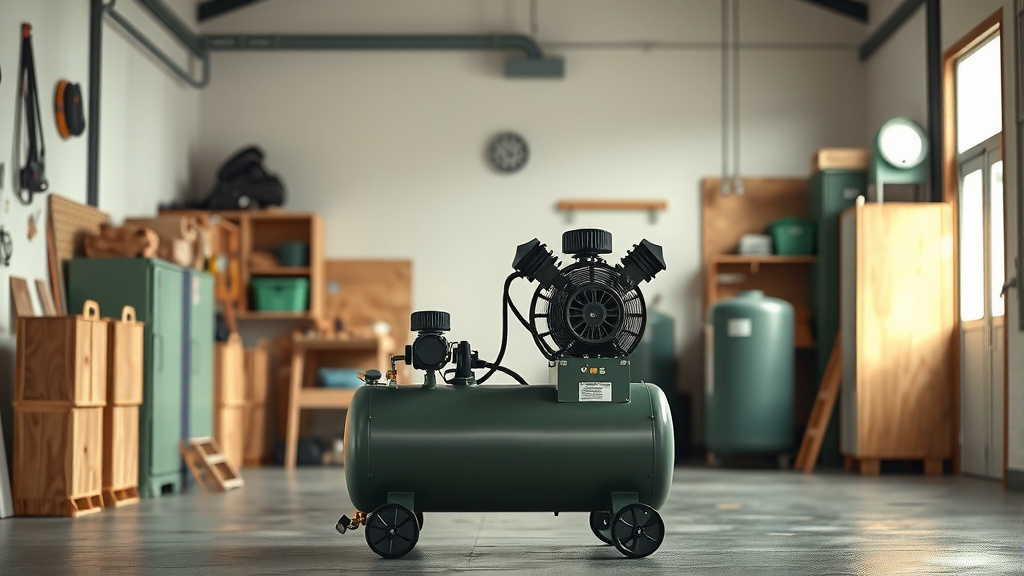
To use an air compressor, you first connect the appropriate air tool, adjust the pressure (PSI) to your project’s needs, and then activate the compressor.
Always ensure safety by wearing protective gear and checking for secure connections before operating your air compressor.
Here’s a quick summary of using an air compressor:
- Understand your project needs to select the right tool and PSI.
- Always prioritize safety with proper gear and equipment checks.
- Regular maintenance keeps your compressor running smoothly and safely.
- Proper setup, including voltage and location, prevents common issues.
- Practice makes perfect; start with simpler tasks to build confidence.
How To Use Air Compressor?
Using an air compressor involves connecting tools, setting pressure, and powering it on safely. It powers a wide range of pneumatic tools for many tasks.
Understanding Your Air Compressor First
Before you dive in, know your machine. Air compressors come in various sizes and types. They all do one thing: compress air into a tank.
This stored, pressurized air then powers many different tools. You’ll find them in garages, workshops, and even construction sites.
Safety Before Anything Else
Safety is not a suggestion; it’s a must. Working with compressed air means handling high pressure. Always wear safety glasses and hearing protection. Many experts say hearing protection is vital (OSHA guidelines).
Ensure your work area is clean and clear. Avoid operating the compressor in damp conditions. Electricity and water are never a good mix.
Essential Safety Checklist Before Operating
- Is your compressor on a stable, level surface?
- Are all air hoses and connections secure?
- Is the tank drain valve closed tightly?
- Do you have your safety glasses and hearing protection on?
- Is the pressure regulator set to zero before starting?
Setting Up Your Compressor
First, find a good spot. Compressors need proper ventilation. Avoid tight, enclosed spaces. We found that good airflow helps prevent overheating.
Connect your compressor to a suitable power source. Check the voltage requirements carefully. Using the wrong voltage can damage the unit.
Connecting Air Hoses and Tools
This is where the magic starts. Attach an air hose to the compressor’s air outlet. Use quick-connect fittings for easy changes. Many users find these fittings incredibly convenient.
Then, attach your desired air tool to the other end of the hose. Make sure both connections are snug. A loose connection can cause air leaks or even a hose to whip.
Adjusting Air Pressure (PSI)
Every tool needs a specific air pressure (PSI). Check your tool’s manual for its recommended PSI. You’ll find a regulator knob on your compressor.
Turn this knob to adjust the output pressure. Watch the gauge as you turn it. Start low and increase gradually to the correct setting.
Powering On and Using Your Compressor
Once everything is connected and the pressure is set, you’re ready. Flip the power switch to turn on your compressor. It will run until the tank fills to its maximum pressure.
Then, it will cycle off. When you use a tool, the pressure drops. The compressor will automatically turn back on to refill the tank. It’s like having a helpful assistant.
First-Time Use Tips
If it’s your first time, try a simple task. Inflating a tire or blowing dust might be a good start. This helps you get a feel for the tool and the compressor’s power.
Don’t be afraid to read the manual again. It holds a wealth of specific information for your model. Many experts say manuals are your best friend.
Common Air Compressor Uses
Air compressors are incredibly versatile. You can inflate tires, sports equipment, and air mattresses. They are also vital for many workshop tasks.
Beyond inflation, they power nail guns, impact wrenches, and paint sprayers. Imagine how much faster car repairs become with an impact wrench!
Comparing Compressor Types for Different Tasks
Understanding different types helps you pick the best one. Here’s a quick look at common choices.
| Compressor Type | Best For | Key Feature |
|---|---|---|
| Pancake Compressor | Small projects, brad nailing, inflating | Compact, portable, easy to store |
| Hot Dog Compressor | Medium projects, framing, painting | Good balance of power and portability |
| Vertical Tank Compressor | Heavy-duty workshop use, automotive | Large tank, continuous air supply |
Maintaining Your Air Compressor
Good maintenance prolongs your compressor’s life. Regularly drain the tank. This prevents rust and corrosion. Many manufacturers suggest draining daily if used frequently.
Check the air filter often. A dirty filter reduces efficiency. Replace it when needed. We found that a clean filter ensures optimal performance and air quality.
Troubleshooting Common Issues
Compressors are generally reliable. Sometimes, though, you might hit a snag. If your compressor won’t start, check the power connection. Is the circuit breaker tripped?
If it’s losing pressure, look for leaks in the hose or fittings. A simple spray bottle with soapy water can reveal tiny bubbles indicating a leak. Fixing small issues quickly saves bigger headaches.
Conclusion
Using an air compressor really opens up a world of possibilities. From inflating a flat tire to tackling big renovation projects, this tool makes tasks easier and faster. Remember to always prioritize safety first. Take the time to set up your compressor correctly and maintain it regularly. With a little practice, you’ll feel like a pro in no time, mastering all sorts of projects around your home or workshop.
What is the ideal PSI for inflating car tires with an air compressor?
The ideal PSI for car tires typically ranges from 30-35 PSI, but you should always check the specific recommendation on your vehicle’s door jamb sticker or in your owner’s manual. Over-inflating or under-inflating can affect handling and tire lifespan.
How often should I drain the air tank on my compressor?
You should drain the air tank after each use or at least weekly if used infrequently. This removes condensed moisture, preventing rust and prolonging the life of your tank. Many guidelines point to daily draining for frequent use.
Can I use any air tool with my air compressor?
Not necessarily. Air tools have specific CFM (Cubic Feet per Minute) and PSI requirements. Your compressor must be able to meet or exceed these requirements for the tool to function effectively. Always match the tool to your compressor’s capabilities.
What kind of maintenance does a typical air compressor need?
Typical air compressor maintenance involves regularly draining the air tank, checking and replacing the air filter, inspecting hoses and fittings for leaks, and for oil-lubricated models, changing the oil according to the manufacturer’s schedule. These steps keep your machine running smoothly.
Is it normal for an air compressor to get hot during operation?
Yes, it is normal for an air compressor to get warm during operation, especially around the pump and motor. However, it should not be excessively hot to the touch. If it feels extremely hot or smells like burning, shut it down immediately and check for issues like insufficient ventilation or low oil (if it’s an oil-lubricated model).
