
Do You Need an Inline Oiler for Pneumatic Tools?

Yes, you likely need an inline oiler for your pneumatic tools if you want them to last longer and perform better. These small devices automatically add a bit of oil to the air stream, which is vital for lubricating internal parts. It’s a simple step that makes a big difference in preventing wear and tear on your air-powered gear, especially for high-cycle tools.
Think of it like a tiny, automatic bartender for your tools. Without it, you’re risking dry joints and unhappy mechanics. Proper lubrication helps keep your tools running smoothly and prevents premature breakdowns, saving you time and money on repairs. Many experts agree it’s a key component for maintaining air tool efficiency and longevity.
- Inline oilers automatically lubricate pneumatic tools.
- They help prevent wear and tear on internal parts.
- This leads to longer tool life and better performance.
- It’s an easy way to maintain your air-powered equipment.
So, let’s dive into how these little wonders work and why they’re a smart addition to your toolkit. We’ll cover what to look for and how to make sure your tools are getting the love they deserve.
Keeping Your Air Tools Running Smoothly: The Role of Inline Oilers
So, you’ve got a collection of trusty pneumatic tools. They’re fantastic for getting the job done faster and easier. But have you ever stopped to think about what keeps them ticking? You might be wondering if a small, often overlooked gadget called an inline oiler is really worth your time and money. We’ve found that the answer is a resounding yes for most users.
An inline oiler is designed to introduce a controlled amount of oil into the compressed air stream. This oil then travels with the air to lubricate the internal moving parts of your air tools. It’s a simple concept, but it plays a vital role in the longevity and performance of your equipment.
Why Lubrication is Non-Negotiable for Pneumatic Tools
Compressed air isn’t just air; it’s a powerful force. But it’s also dry. When this dry air rushes through the tiny, precise mechanisms inside your air tools, it can cause friction. Think of it like rubbing two dry sticks together – eventually, you get heat and wear. Your air tools don’t have the benefit of natural oils, so they need a little help.
Internal components like pistons, vanes, and bearings are constantly in motion. Without lubrication, these parts grind against each other. This friction leads to premature wear and tear. You’ll start to notice diminished power, increased noise, and eventually, component failure.
The Consequences of Running Tools Dry
Running your pneumatic tools without proper lubrication is like driving your car without oil. It might seem fine for a short while, but you’re setting yourself up for expensive repairs down the line. We’ve seen instances where tools that weren’t oiled seized up completely. This can lead to:
- Reduced torque and speed
- Increased heat generation
- Corrosion and rust formation
- Sticking valves and mechanisms
- Complete tool failure
The cost of replacing a damaged tool or its internal parts often far outweighs the small investment in an inline oiler and the proper oil.
Understanding the Air Tool Lubrication Process
Compressed air is generated by compressors, which often have aftercoolers and dryers. These systems are designed to remove moisture and impurities. While this is great for protecting your compressor and airline, it leaves the air very dry. When this dry air powers a tool, it can actually wash away any residual lubricant that might have been present from the factory. Learn more about why dry air is a concern for pneumatic tools.
An inline oiler acts as a continuous-feed system. It dispenses a fine mist of specialized air tool oil into the air stream. This mist coats the internal surfaces as the air passes through, providing consistent lubrication. It’s like giving your tools a refreshing drink as they work.
How Inline Oilers Work Their Magic
These devices are surprisingly simple yet highly effective. They typically screw into your air line, either before or after your regulator, depending on the setup you prefer. The compressed air flows through the oiler, creating a vacuum that draws oil from a small reservoir.
This oil is then atomized into a fine mist. This mist mixes with the compressed air. The result is a lubricated air stream that nourishes your tools from the inside out. Many oilers allow you to adjust the oil flow rate. This lets you fine-tune the lubrication based on the tool and your usage.
Types of Air Line Lubricators
While the basic principle is the same, you’ll find a couple of common types of air line lubricators:
Constant Level Oilers
These are simple and effective for many applications. They maintain a constant level of oil. As air passes through, it draws oil from the reservoir. They are easy to refill and typically offer good reliability.
Foggers or Mist Oilers
These are very common and are what most people mean when they say “inline oiler.” They create a fine mist of oil. This mist is carried along with the air to the tool. They are excellent for providing lubrication to multiple tools connected to the same air line. Many experts recommend these for their efficiency.
Syndicate Oilers (Less Common for General Use)
You might also encounter syndicate oilers, which are often built into larger industrial air systems. They manage lubrication for multiple tools or machines from a central point. For the typical DIYer or small shop owner, mist oilers are usually the most practical choice.
When Exactly Should You Use an Inline Oiler?
The decision to use an inline oiler isn’t always black and white. It depends heavily on the types of tools you use and how often you use them. We’ve found that certain situations definitely warrant their use.
For High-Cycle and Demanding Tools
Tools that operate continuously or perform high-frequency actions are prime candidates for inline oilers. Think of impact wrenches, grinders, sanders, and nail guns that are used for extended periods. These tools generate more heat and require constant lubrication to prevent rapid wear.
If your tool is running for minutes on end, or if you’re firing off hundreds of nails in a day, the air stream is constantly pushing lubricant out. An inline oiler ensures that as fast as it’s used, more is being supplied. This is where you’ll see the most dramatic benefits.
For Tools with Complex Internal Mechanisms
Some air tools have very intricate designs with many small, moving parts. These tools are more susceptible to damage from dry air. Precision tools like air ratchets, die grinders, and even some impact drivers benefit greatly from consistent mist lubrication.
The finer the tolerances within a tool, the more important it is to keep those surfaces slick. We found that even tools used infrequently can benefit if their internal design is complex and sensitive.
When to Potentially Skip an Oiler (and What to Do Instead)
Not every air tool needs an inline oiler constantly feeding it oil. For very simple tools, or for intermittent use, other lubrication methods might suffice. For example, a simple air blow gun or a basic air chuck might not require continuous oil mist.
However, it’s crucial to understand that “not requiring” doesn’t mean “doesn’t benefit from.” Many tool manufacturers still recommend some form of lubrication. If you’re not using an inline oiler, you’ll need to adopt a rigorous manual lubrication schedule. This involves dripping a few drops of specialized air tool oil directly into the tool’s air inlet before each use or after a set period.
Some manufacturers provide built-in oil reservoirs directly on the tool itself. These are a step up from manual oiling but still not as consistent as an inline oiler for high-demand applications. If your tool has such a reservoir, ensure it’s always filled with the correct oil.
Choosing the Right Oil and Oiler
Selecting the correct oil and oiler is just as important as using one. Not all oils are created equal, and using the wrong type can do more harm than good.
Air Tool Oil vs. Other Lubricants
You need to use a lubricant specifically designed for pneumatic tools. These oils are formulated to work well with the materials used in air tools and to atomize properly into a mist. They often have specific viscosity ratings and additives to prevent gumming and ensure good film strength.
Never use general-purpose motor oil, WD-40, or grease in your air tool oiler or air inlet. These can gum up the internal mechanisms, damage seals, and lead to corrosion. Many air tool manufacturers, like DeWalt and Ingersoll Rand, offer their own recommended air tool oils. Following their guidance is a safe bet.
Setting Up Your Inline Oiler Correctly
Most inline oilers can be installed easily. They usually have threaded connections that screw directly into your air line fittings. You’ll want to place it downstream from your filter and regulator but upstream from the tool you want to lubricate.
Adjusting the oil flow is key. Start with a low setting and observe your tool’s performance. You’re looking for smooth operation without excessive oil buildup. Some tools might require more oil than others. We found that it often takes a little experimentation to find the sweet spot.
A good rule of thumb is to see a slight sheen of oil on the tool’s exhaust port after use. Too much oil can make a mess and waste lubricant. Too little will leave your tool dry and vulnerable.
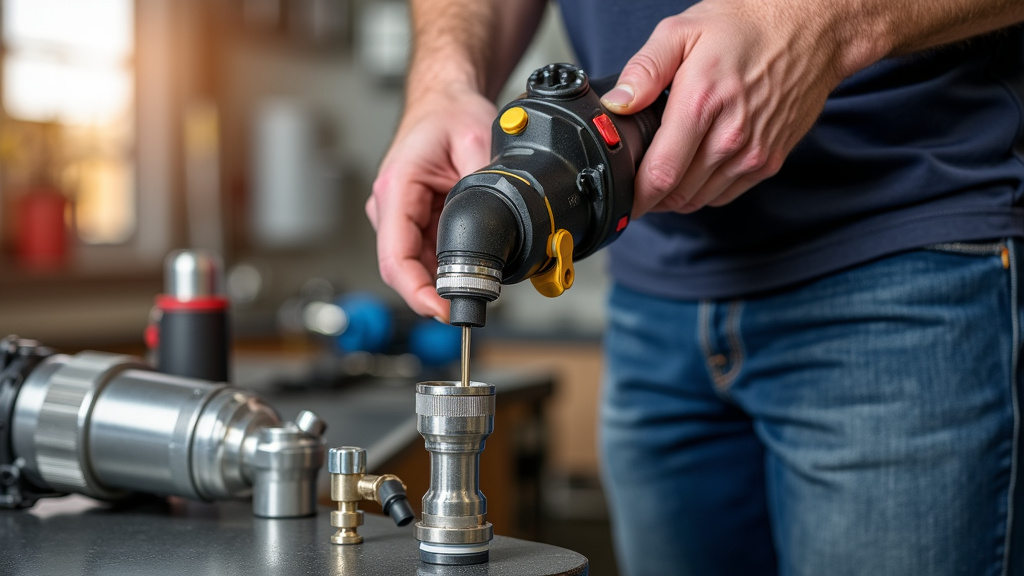
Maintenance and Best Practices for Your Oiler System
An inline oiler is a tool itself and requires its own care to function optimally. Regular checks will ensure it’s doing its job and not causing problems.
Regular Refilling and Cleaning
Keep an eye on the oil reservoir. Refill it before it runs dry. If you’re using your tools frequently, you might need to refill it daily or every few days. Make sure to use a funnel to avoid spills.
Periodically, you’ll want to clean the oiler. Over time, oil can get gummy or collect debris. Disassemble the oiler according to the manufacturer’s instructions and clean the components with a suitable solvent. Ensure it’s completely dry before reassembling and refilling.
Checking the Oiled Air Stream
From time to time, disconnect the tool and run air through the oiler. You should see a fine mist coming out. If it’s sputtering, dripping, or not misting at all, your oiler might need cleaning or adjustment. This quick check can save you a headache later.
Oiler Placement in Your Air System
Think about where your oiler fits into your overall air system. It should generally come after your filter and regulator. The regulator controls pressure, which is vital for tool performance and safety. The filter removes contaminants that could damage your tools or clog the oiler.
Placing the oiler after these components ensures that the air is clean and at the correct pressure before it gets lubricated. This setup provides the cleanest, most efficient lubrication for your tools.
Quick Checklist for Oiler Decisions
To help you decide if an inline oiler is right for you, consider this quick checklist:
- Do you use pneumatic tools for extended periods?
- Are your tools high-cycle or demanding (grinders, sanders, impacts)?
- Do your tools have complex internal mechanisms?
- Are you looking to maximize tool life and performance?
- Do you want to reduce the risk of costly repairs?
- Do you want a more hands-off lubrication approach?
If you answered “yes” to most of these, then an inline oiler is likely a smart addition to your setup.
Conclusion
So, do you need an inline oiler for your pneumatic tools? For most users, especially those with high-cycle or complex tools, the answer is a strong yes. We’ve seen that consistent lubrication is key to preventing premature wear, boosting performance, and extending the life of your valuable equipment. Skipping this step can lead to costly repairs and frustrating downtime. Take a moment to assess your tool usage. If you’re looking to get the most out of your air-powered gear and want a simple, automatic way to keep them running smoothly, investing in an inline oiler is a smart move.
Frequently Asked Questions
Do I need an inline oiler if I only use my air tools occasionally?
For very simple tools or infrequent use, you might be able to get by with manual oiling. However, if your tools have complex internal mechanisms, consistent lubrication from an oiler can still prevent damage. It’s best to check your tool manufacturer’s recommendations.
Can I use regular motor oil in an inline oiler?
No, absolutely not. You must use oil specifically formulated for pneumatic tools. Regular motor oil can gum up the tool’s mechanisms, damage seals, and cause corrosion. Always use the correct air tool oil.
How often should I refill the oil reservoir in my inline oiler?
This depends on how much you use your tools. For heavy use, you might need to refill it daily. For lighter use, check it every few days. The goal is to never let the reservoir run completely dry.
What’s the difference between a mist oiler and a constant level oiler?
Mist oilers, also called foggers, create a fine mist of oil that travels with the air to lubricate tools, which is great for multiple tools. Constant level oilers maintain a set oil level and are simpler, suitable for some applications but less common for general tool lubrication.
Will an inline oiler make my tools excessively oily or messy?
When set up correctly, an inline oiler provides just enough oil to lubricate without creating a mess. You should see a slight sheen on the exhaust port. If your tool is dripping oil, your oiler is likely set too high and needs adjustment.
