
What Is a Good Starter Air Compressor for a First Time Diyer?
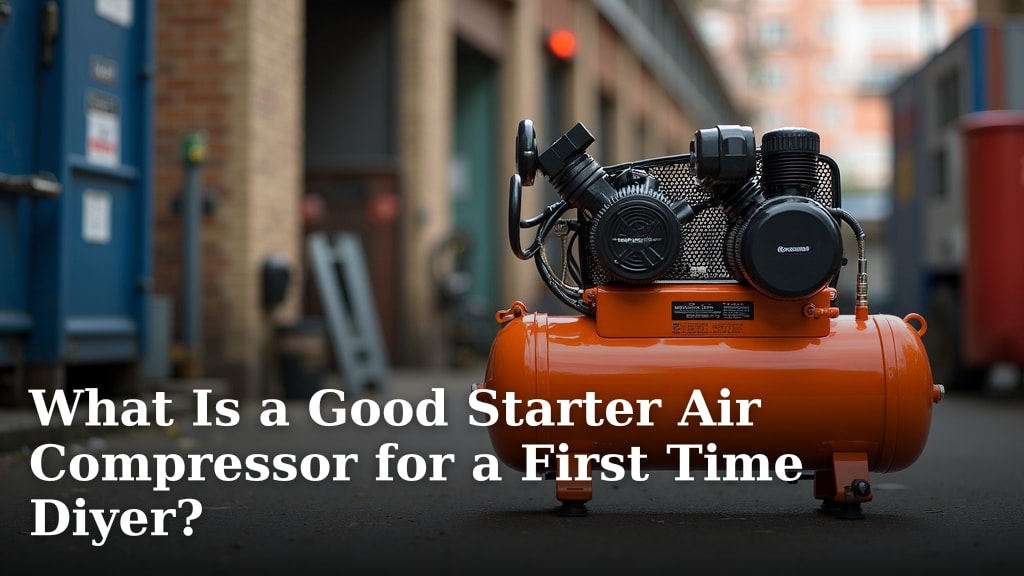
A good starter air compressor for a first-time DIYer is typically a small, portable electric model. Look for one with a tank size between 2 to 6 gallons and a flow rate (CFM) of around 2 to 4. This kind of compressor is versatile for basic tasks and won’t overwhelm you with its power or size. You want something that makes your DIY projects easier, not harder.
Choosing your first air compressor can feel a bit daunting. Many DIYers wonder if they need a huge, powerful unit or if something smaller will do the trick. We found that starting with a beginner-friendly compressor is key. It allows you to learn its capabilities without the initial investment of a high-end machine. Think of it as your trusty sidekick for those weekend warrior projects.
- Small and portable is best for beginners.
- Aim for a 2-6 gallon tank.
- Look for a flow rate (CFM) of 2-4.
- It should handle basic DIY tasks easily.
- This choice makes learning simple.
Below, we’ll help you find the perfect starter air compressor that fits your DIY needs and budget. Let’s get your projects powered up!
Choosing Your First DIY Air Compressor: What to Look For
So, you’re ready to jump into DIY projects that require a little more oomph. An air compressor can be a fantastic tool for this! But with so many options out there, how do you pick the right one for a beginner? We’ve found that focusing on a few key features makes the choice much simpler. You want a compressor that’s Our guide to what size air compressor you need for a garage can help you understand these key features.easy to use and versatile enough for common tasks.
Understanding the Basics: Power and Portability
When you’re starting out, the biggest decision is balancing power with portability. You don’t want something so large it’s a chore to move, nor do you want something so small it can’t handle the job. Think of it like choosing your first car – you need something reliable and manageable, not a monster truck.
Horsepower (HP) and Amps: What They Mean for You
You’ll see horsepower (HP) and amperage (Amps) listed on compressors. HP tells you how much power the motor has. Amps are related to how much electricity the compressor uses. For most starter DIY jobs, a 1 to 2 HP motor is usually plenty. You don’t need a powerhouse to, say, inflate tires or use a brad nailer.
Tank Size: The “Holding Tank” for Air
The tank is where the compressed air is stored. A larger tank means the compressor motor doesn’t have to run as often. This is great for tools that use a lot of air. For a beginner, we found that tanks between 2 to 6 gallons are a sweet spot. This size offers enough air for most small jobs without being too bulky.
Consider this: if you’re doing a project where you’ll be using an air tool continuously for more than a minute or two, a larger tank is helpful. It provides a buffer so the motor doesn’t have to constantly kick on and off. This can also reduce noise and wear on the motor.
CFM: The Real Measure of Airflow
CFM stands for Cubic Feet per Minute. This is perhaps the most important spec to consider. It tells you how much air the compressor can deliver at a certain pressure. Each air tool has its own CFM requirement. You need a compressor that can meet or exceed that requirement.
For a starter DIYer, you’ll likely be using tools like:
- Brad nailers and staple guns
- Impact wrenches for light auto work For light auto work with an impact wrench, understanding compressor sizing is key, and our guide can help.
- Blow guns for cleaning
- Tire inflators
Most of these tools don’t need a huge CFM. We found that a compressor delivering around 2 to 4 CFM at 90 PSI is generally sufficient for these tasks. Always check the CFM rating of the air tools you plan to use and match it with your compressor’s output.
Types of Starter Air Compressors
Most starter compressors for DIYers are electric. They are easier to use and maintain than gas-powered models, especially if you’re working indoors or in a populated area. We’ve seen that electric compressors are the way to go for beginners.
Portable “Pancake” and “Hot Dog” Styles
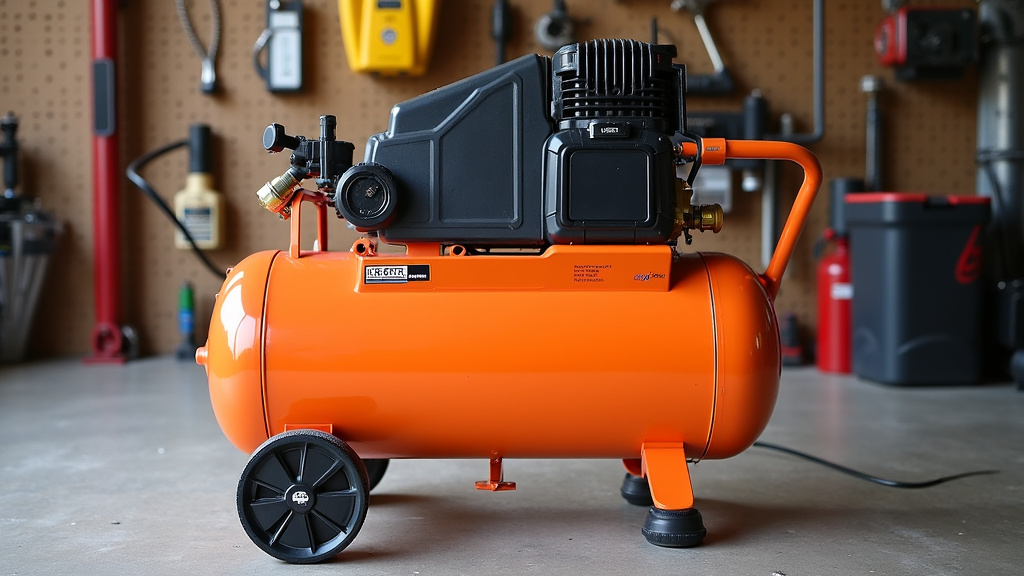
These are the most common types you’ll encounter for beginners. They’re named for their shape. Pancake compressors have a wide, flat tank, while hot dog compressors have a long, cylindrical tank. Both are designed for portability.
Pancake style: Often very stable due to their wide base, making them less likely to tip over. They are super easy to move around a garage or workshop.
Hot dog style: Typically a bit taller and narrower, which can make them easier to store. They are also very lightweight.
Both styles usually offer similar performance for their size. It often comes down to personal preference regarding shape and how you plan to store or transport it.
Oil-Lubricated vs. Oil-Free Compressors
This is a key distinction that affects maintenance and noise levels. We found that for beginners, oil-free compressors often win out.
Oil-Free:
- Pros: Lighter, require less maintenance (no oil changes!), generally quieter than older oil-type models, and less messy.
- Cons: Can sometimes be noisier than oil-lubricated models and may have a shorter lifespan if heavily used.
Oil-Lubricated:
- Pros: Often run quieter, can be more durable for heavy-duty use, and sometimes offer higher CFM for their size.
- Cons: Require regular oil checks and changes, can be messier if oil leaks, and might be slightly heavier.
For a first-time DIYer who wants to get projects done without a lot of fuss, an oil-free model is usually the best bet. The reduced maintenance is a big plus.
Key Features to Prioritize for Your First Compressor
Beyond the basic specs, a few other features can make your life easier as a beginner. We found that prioritizing these can make a big difference in your overall satisfaction with the tool.
Noise Level: Don’t Be “That” Neighbor
Air compressors can be loud. Some are surprisingly quiet, while others sound like a jet engine. If you’re working in a residential area or have family nearby, noise level is a critical consideration. Many newer oil-free models are designed to be quieter. Look for decibel (dB) ratings if available; lower numbers are better.
Some manufacturers advertise “quiet” or “low noise” compressors. We found that while these might cost a bit more upfront, the peace and quiet can be well worth it. It’s like choosing a quieter appliance for your kitchen – it just makes life more pleasant.
Durability and Build Quality
You want a compressor that will last. Check reviews for feedback on how well the unit holds up over time. Look for sturdy construction, good-quality fittings, and a reliable motor. Many experts say that investing a little more in a reputable brand can save you headaches down the road.
Ease of Use and Controls
Simple controls are a must for a beginner. You want clear pressure gauges and easy-to-understand knobs for adjusting pressure. Quick-connect fittings for attaching air hoses should be straightforward. A compressor that’s intuitive to operate will help you learn faster and avoid frustration.
What Tasks Can Your Starter Compressor Handle?
So, what kind of projects can you tackle with a small, beginner-friendly compressor? You’ll be surprised at the versatility!
Inflating Tires and Sports Equipment
This is a classic use. You can easily keep your car’s tires properly inflated, which improves fuel efficiency and safety (NHTSA). It’s also great for bike tires, basketballs, and pool toys.
Light Nailing and Stapling
For trim work, small furniture projects, or upholstery, a brad nailer or staple gun powered by a smaller compressor is perfect. These tools make attaching wood or fabric quick and easy. You’ll find yourself reaching for it for all sorts of DIY fixes.
Cleaning and Dusting
A simple blow gun attachment is incredibly useful for clearing sawdust from your workspace, cleaning out engine compartments, or getting dust out of tricky spots in your home. It’s a surprisingly handy tool.
Airbrushing (with care)
Some very basic airbrushing projects, like model painting or simple crafts, can be handled by a smaller compressor. You’ll need to ensure the compressor can maintain a consistent low pressure. For more advanced airbrushing, you might need a more specialized setup.
Running Small Impact Wrenches
Need to change a tire on the side of the road or do some light automotive work? A small impact wrench can often be powered by a starter compressor for short bursts of activity. Just be aware that heavy-duty tasks might require more air.
Quick Checklist for Your Starter Compressor Purchase
Here’s a handy list to keep in mind when you’re shopping:
- Tank Size: Aim for 2-6 gallons.
- CFM Output: Look for 2-4 CFM at 90 PSI.
- Motor Power: 1-2 HP is usually sufficient.
- Type: Electric, portable (pancake or hot dog).
- Maintenance: Oil-free is often best for beginners.
- Noise: Consider lower decibel ratings if possible.
Conclusion
You’ve learned that finding your first air compressor doesn’t need to be complicated. For most DIYers, a small, portable electric compressor with a 2-6 gallon tank and 2-4 CFM output is the sweet spot. It’s powerful enough for common tasks like inflating tires and light nailing, yet manageable for your workshop. Prioritizing oil-free models and considering noise levels will make your projects more enjoyable. Your next step? Use this guide to confidently choose a compressor that fits your needs and budget, and get ready to power up your DIY projects!
Frequently Asked Questions
How much CFM do I really need for basic DIY tasks?
For typical beginner DIY projects like using brad nailers or inflating tires, aim for 2 to 4 CFM at 90 PSI. This output is sufficient for most common tools and won’t leave you underpowered. Always check the CFM requirement for specific air tools you plan to use.
Are oil-free compressors really better for beginners?
Yes, oil-free compressors are often recommended for first-time DIYers. They require significantly less maintenance as you don’t need to worry about oil levels or changes. This makes them more convenient and less messy for those just starting out.
Can a small compressor handle automotive work like changing a tire?
A small starter compressor can often handle light automotive tasks, such as using a small impact wrench for brief periods to change a tire. For continuous or heavy-duty auto work, you would likely need a more powerful compressor with a higher CFM output.
What’s the difference between a “pancake” and “hot dog” compressor?
These terms refer to the shape of the air tank for portability. Pancake compressors have a wide, flat tank for stability, while hot dog compressors have a long, cylindrical tank that can be easier to store. Both styles offer similar performance for their size and are great for beginners.
Is noise level really that important for a starter compressor?
Noise level is definitely important, especially if you work in a residential area or have noise-sensitive family members. Some compressors can be very loud, so looking for models advertised as “quiet” or checking their decibel (dB) rating can greatly improve your DIY experience.
