
How to Store an Air Compressor in Winter?
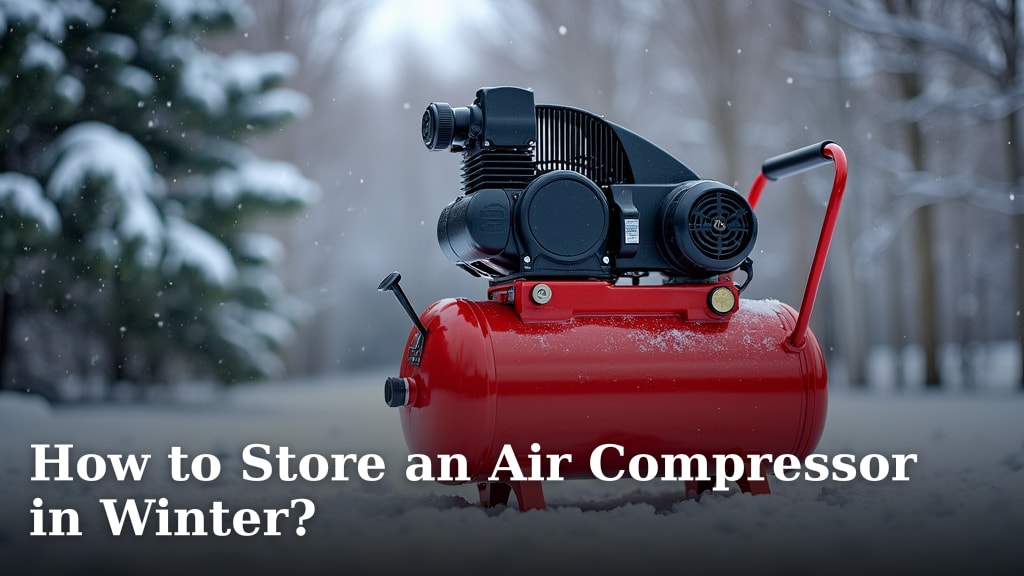
Yes, you can store an air compressor outside in winter, but it’s not ideal. Proper storage involves protecting it from the cold, moisture, and freezing temperatures. Leaving it exposed can lead to damage and reduced performance come spring.
Many people wonder if their air compressor can survive the frost. While some units are built tougher than others, neglecting winter storage can cause serious harm. Water left in the tank can freeze and crack it, and oil can become thick, making startup difficult. Protecting your investment is key.
- Store indoors if possible.
- Drain all moisture from the tank.
- Use a fuel stabilizer if it has an engine.
- Protect from extreme cold and moisture.
- Consider a dehumidifier in damp storage areas.
Let’s break down the best ways to ensure your air compressor is ready to go when the weather warms up. We’ll cover the essential steps to keep it in top shape.
Winterizing Your Air Compressor: A Step-by-Step Guide
Storing your air compressor properly over the winter is more than just finding a spot. It’s about protecting your investment from the harsh elements. Doing it right means your compressor will be ready to go when you need it next spring. We’ll walk you through the best practices.
Assessing Your Air Compressor’s Needs Before Storage
Before you even think about where to put your air compressor, you need to understand its specific requirements. Not all compressors are created equal, and some might need a bit more attention. Researching your model is the first smart move.
Engine-Powered vs. Electric Models
The biggest difference in storage needs comes down to the power source. Engine-powered compressors have fuel systems that require special treatment. Electric models are generally simpler but still have critical steps to follow.
For Engine-Powered Compressors: Fuel System Care
If your compressor has a gas engine, you absolutely must address the fuel. Leaving gasoline in the tank over winter can lead to varnish and gum formation. This gunk can clog fuel lines and carburetors. It’s a common issue that can cause starting problems come spring. Many experts recommend using a fuel stabilizer for units that will sit idle for months (U.S. Environmental Protection Agency).
To use a stabilizer, fill the fuel tank almost completely. Add the recommended amount of stabilizer. Then, run the engine for about 10-15 minutes. This ensures the treated fuel circulates throughout the entire fuel system, including the carburetor. Alternatively, some prefer to run the tank dry. This method eliminates the fuel altogether, preventing degradation. Both approaches are sound, but the stabilizer method is often easier and keeps internal parts lubricated.
For Electric Compressors: Simple Electrical Checks
Electric compressors don’t have fuel to worry about. However, you still need to ensure the electrical components are protected. Make sure the power cord is clean and free from damage. Store it neatly so it doesn’t get pinched or cut. A damaged cord is a safety hazard and can lead to electrical issues down the line.
Checking the User Manual
Your air compressor’s user manual is your best friend for storage. It contains manufacturer-specific recommendations. These often include details on draining, cleaning, and specific storage conditions. Always consult it before you begin the winterization process. It’s the most reliable source for your particular model.
Essential Preparation Steps for All Air Compressors
Regardless of your compressor type, certain steps are non-negotiable for proper winter storage. These address the most common causes of damage during cold months. Getting these right will save you headaches later.
Step 1: Drain All Moisture from the Tank
This is arguably the most critical step. Water is the enemy of your air compressor’s tank during winter. When water freezes, it expands. This expansion can crack or even burst the metal tank. Even if it doesn’t crack the tank, ice can form inside, making it difficult to use when you need it.
Locate the drain valve at the bottom of the tank. It usually looks like a small spigot or plug. Place a suitable container underneath the valve to catch the water. Slowly open the valve. You’ll likely hear air hissing out. Let the air and any accumulated water drain completely. Some manuals suggest tilting the compressor slightly to ensure all residual moisture is expelled. After draining, close the valve securely.
If you have a higher-end model, it might have an automatic drain valve. These can be helpful, but it’s still a good idea to manually check and ensure it has functioned correctly before storing. Moisture can cause rust and corrosion inside the tank, weakening the metal over time.
Step 2: Clean the Exterior and Components
A clean compressor is a happy compressor. Use a damp cloth to wipe down the exterior. Remove any dirt, oil, or debris that might have accumulated. Pay attention to vents and any parts where dust can collect. This prevents grime from becoming more stubborn to remove later.
If your compressor has an air filter, it’s a good time to check it. If it looks dirty or clogged, clean or replace it according to the manufacturer’s instructions. A clean filter ensures better air intake and reduces strain on the motor.
Step 3: Check and Top Off Lubrication (If Applicable)
Many air compressors require oil for lubrication. If yours is a splash-lubricated model, check the oil level. Top it off if it’s low. Cold temperatures can make oil thicker, so having the correct level is important for easier startup.
For oil-lubricated compressors, it’s also wise to consider changing the oil before long-term storage. Old oil can contain contaminants and moisture. Replacing it with fresh oil ensures better protection for internal components during the inactive months. Refer to your manual for the correct type and amount of oil.
Choosing the Right Storage Location
Where you store your air compressor is just as important as the preparation steps. The ideal location shields it from extreme temperatures and humidity.
Ideal Indoor Storage Options
The best place for your air compressor is indoors, in a climate-controlled environment. This could be a garage, a shed, or a basement that stays above freezing. Climate control is key because extreme cold can damage seals and hoses, and can make oils and lubricants too viscous to flow properly.
If you’re storing it in a damp area, like a basement or an uninsulated garage, consider using a dehumidifier. Excess moisture in the air can lead to rust and corrosion on metal parts, even on the exterior. Keeping the relative humidity below 50% is a good target (U.S. Department of Energy).
Can You Store it Outside? (With Precautions)
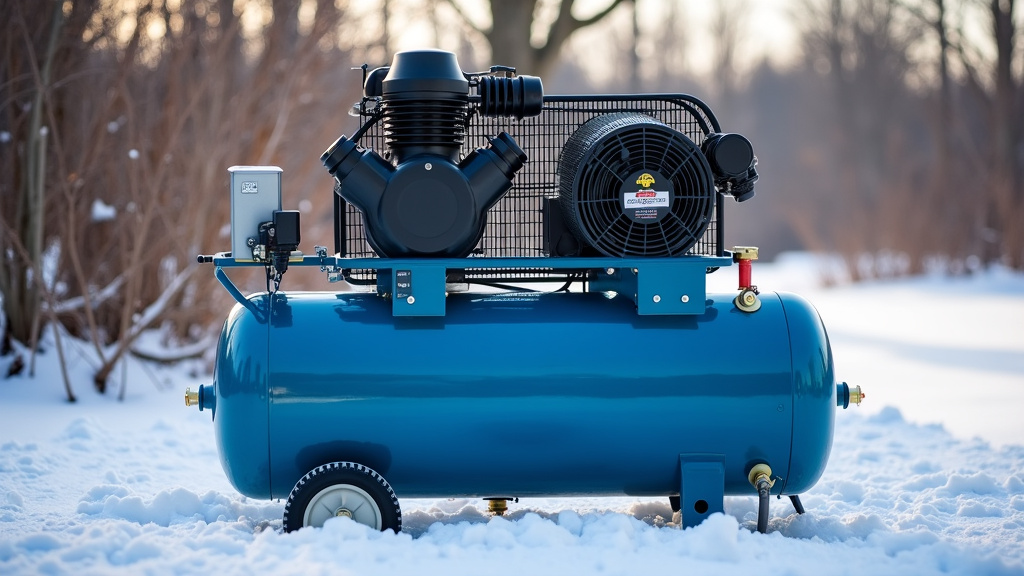
Storing an air compressor outside in winter is generally not recommended. However, if you absolutely must, you need to take significant precautions. The goal is to create a barrier against moisture and extreme cold. First, ensure the tank is thoroughly drained and dry. Next, cover the entire unit with a heavy-duty, waterproof tarp. Secure the tarp well with bungee cords or straps to prevent wind from getting underneath it.
Elevate the compressor off the ground if possible. Placing it on a pallet or sturdy blocks will help keep it away from snow, ice, and standing water. Even with all these measures, condensation can still form under the tarp, especially with temperature fluctuations. This is why indoor storage is so much better.
Final Checklist for Winter Storage
Here’s a quick rundown to make sure you’ve covered all your bases:
- Drain the tank completely.
- Use fuel stabilizer for gas engines.
- Clean the exterior and air filter.
- Check and top off oil.
- Cover with a waterproof tarp (if stored outside).
- Store in a dry, protected location.
By following these steps, you’re ensuring your air compressor will start up reliably when warmer weather returns. It’s about smart maintenance that pays off. You’ve invested in this tool, and a little care in the off-season will keep it working hard for years to come.
Conclusion
You’ve learned that storing your air compressor properly over winter is straightforward but essential. By taking a few key steps, you protect your equipment from cold, moisture, and potential damage. Draining the tank, stabilizing fuel for gas models, and choosing a suitable storage location are your biggest allies. Don’t skip these preparations; they ensure your compressor is ready and reliable when you need it next spring. Your next step is to grab your manual and get to work before the first frost!
Frequently Asked Questions
What happens if I don’t drain my air compressor tank in winter?
If you don’t drain your air compressor tank, any moisture inside can freeze and expand. This expansion can lead to cracks or even burst the tank. Even if it doesn’t cause immediate damage, ice inside can make starting and operating the compressor difficult.
Can I just leave my air compressor outside uncovered if it’s in a dry garage?
While a dry garage is better than being fully exposed, leaving your air compressor uncovered isn’t ideal. Dust, debris, and fluctuating temperatures can still affect it. It’s always best to at least cover it with a waterproof tarp, even indoors, to keep it clean and protected from minor impacts.
How long should I run the engine after adding fuel stabilizer?
After adding the correct amount of fuel stabilizer to your engine-powered compressor’s tank, you should run the engine for about 10 to 15 minutes. This ensures the treated fuel circulates through the entire fuel system, including the carburetor, providing complete protection.
Do electric air compressors need any special winter prep?
Electric air compressors don’t have fuel systems to worry about, but you still need to ensure the power cord is clean and undamaged. It’s also wise to store the cord neatly to prevent kinks or cuts. Beyond that, proper draining and protection from the elements are the main concerns.
What is the best humidity level for storing an air compressor indoors?
The ideal humidity level for storing your air compressor indoors is below 50%. Keeping humidity low helps prevent rust and corrosion on metal parts. If your storage area, like a basement or uninsulated garage, tends to be damp, consider using a dehumidifier.
