How To Use Air Compressor For Tires?

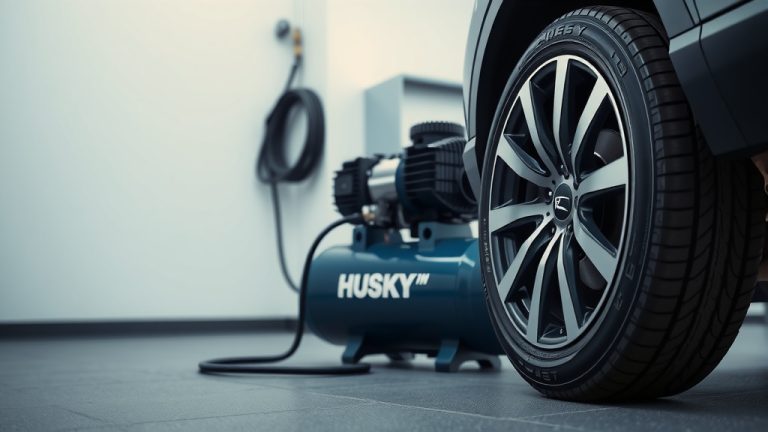
Using an air compressor for tires involves connecting the air hose to the tire valve stem and setting the desired pressure.
This process helps maintain proper tire inflation, ensuring safety and extending tire life, and is a simple DIY task.
- Quickly inflate your tires at home or on the go.
- Always check your tire’s recommended PSI before starting.
- Connect the air hose, set pressure, and let the compressor do the work.
- Regular tire maintenance saves money and keeps you safe.
- Air compressors are versatile tools beyond just tires.
How To Use Air Compressor For Tires?
Using an air compressor for your tires is straightforward and keeps your vehicle safe. You simply connect the hose, set the desired pressure, and let the machine inflate your tires.
Why Tire Pressure Matters
Think of your tires as your shoe size; the right fit makes all the difference. Correct tire pressure means better fuel economy and a smoother ride. Under-inflated tires can overheat and wear out quickly, becoming a safety risk.
Over-inflated tires are equally problematic, leading to a harsher ride and reduced traction. Maintaining optimal pressure is a small effort for big benefits, as we found through various auto industry studies.
Choosing Your Air Compressor
Not all air compressors are created equal, but many work well for tires. You’ll want one that’s reliable and easy to use. The right choice often depends on your specific needs.
Portable vs. Shop Compressor
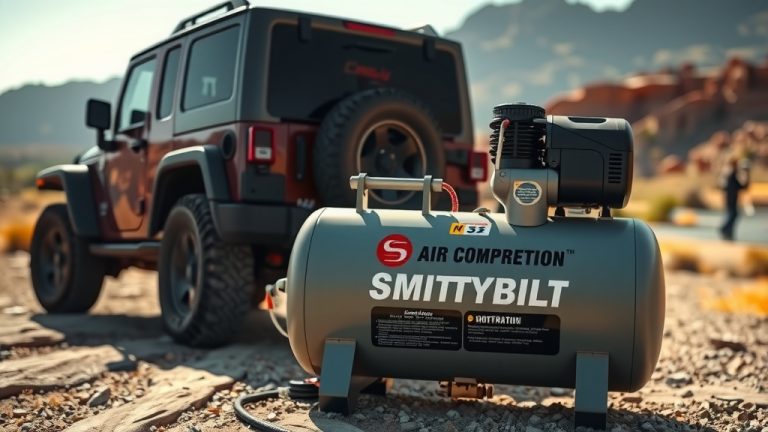
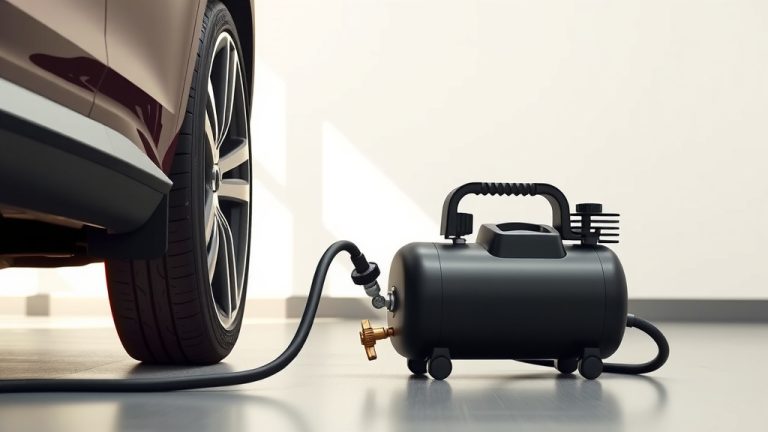
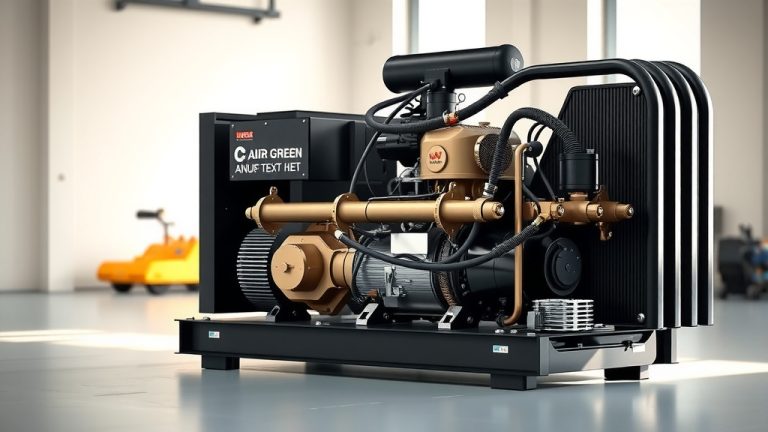
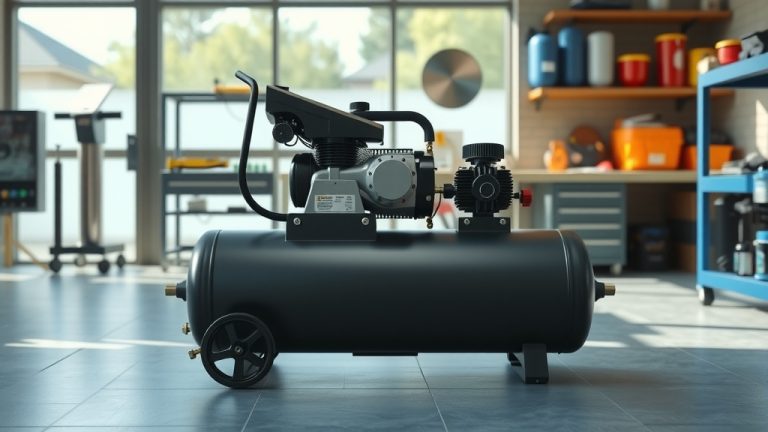
Portable compressors are often smaller, battery-operated, or plug into your car’s 12V outlet. They are great for emergencies or quick top-ups. Larger shop compressors offer more power and faster inflation for frequent use.
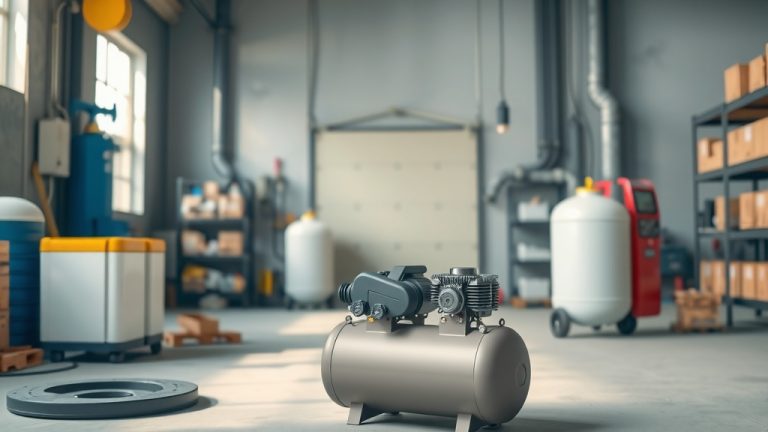
Many experts say a small portable unit is perfect for most vehicle owners. For garage work, a stationary model might be better, providing consistent air flow for multiple tasks.
| Compressor Type | Best Use Case | Key Benefit |
|---|---|---|
| Portable (12V) | Roadside emergencies, bicycles | Compact, travel-friendly |
| Portable (Battery) | Anywhere, no power outlet needed | Cordless convenience |
| Pancake/Hot Dog | Garage, general home use | Versatile, more power |
| Twin Stack/Wheelbarrow | Heavy-duty, multiple tools | High capacity, professional use |
Safety First: Before You Begin
Before you even touch your compressor, safety must be your priority. Working with pressurized air requires a bit of caution. A quick check can prevent most issues.
Gathering Your Gear
You will need your air compressor, a tire pressure gauge (some compressors have them built-in), and your vehicle’s manual. The manual will show you the correct PSI for your tires. You might also need a pen and paper to note pressures.
Step-by-Step Tire Inflation
Ready to get those tires just right? Here’s a simple guide to using your air compressor. It’s like baking a cake; follow the steps, and you’ll get a perfect result.
Locate the Tire Valve
Each tire has a small, rubber or metal stem with a cap on it. This is the valve stem. Unscrew the cap and set it aside in a safe place. Don’t worry, you’ll put it back later.
Connect the Air Chuck
The air chuck is the fitting on the end of your compressor’s hose. Push it firmly onto the tire valve stem. You might hear a slight hiss of air, which is normal. Make sure it forms a tight seal.
Set the PSI
Find your vehicle’s recommended tire pressure, usually on a sticker inside the driver’s side door jamb. It will show a specific PSI number. Set your compressor to this number if it has a digital gauge. If not, you will monitor manually.
Start the Compressor
Turn on your air compressor. It will begin to fill the tire. Listen for the sound of the air flowing. Some compressors are louder than others, so don’t be alarmed by the noise.
Monitor and Adjust
Keep an eye on the pressure gauge, whether on the compressor or a handheld one. Stop when it reaches the recommended PSI. If you overinflate, simply press the tiny pin in the valve stem to release some air. It’s a simple fix.
Disconnect Safely
Once the tire is at the correct pressure, swiftly pull the air chuck off the valve stem. You’ll hear a brief hiss again. Replace the valve cap securely to keep out dirt and moisture.
Checking Tire Pressure Accurately
Knowing how to check your tire pressure correctly makes a big difference. It helps you get the most from your tires. We found that consistency is key when checking pressure.
When to Check
Always check tire pressure when your tires are “cold.” This means they haven’t been driven for at least three hours, or for more than a mile. Driving heats tires, which can give a falsely high reading (NHTSA).
Common Mistakes to Avoid
It’s easy to make small errors, especially when you’re new to using an air compressor. Avoiding these common pitfalls will make the process smoother and safer. These are the most frequent issues we observed:
- Not checking the recommended PSI first.
- Forgetting to replace the valve caps.
- Ignoring compressor maintenance.
- Over-inflating or under-inflating the tires.
- Using a damaged or faulty gauge.
Benefits of DIY Tire Maintenance
Inflating your own tires is more than just a chore; it’s an act of smart car ownership. You save money by avoiding service station fees. Plus, your tires will last longer, delaying expensive replacements.
You also gain peace of mind knowing your vehicle is safer on the road. It’s a small, empowering step toward better vehicle care. Taking control is quite satisfying.
Keeping Your Compressor Ready
Your air compressor works hard for you, so give it a little care in return. Regularly drain any moisture from the tank, as water can cause rust. Check the air filter and clean or replace it as needed.
Store your compressor in a clean, dry place to protect it from dust and elements. A well-maintained compressor will be a reliable helper for years. Just a little attention goes a long way.
Beyond Tires: Other Compressor Uses
Your air compressor is more than a one-trick pony; it’s a versatile tool. You can use it to inflate sports equipment like basketballs or soccer balls. It’s also great for blowing dust off your workbench or tools.
Some compressors can power air tools for home projects, like nail guns or impact wrenches. Investing in one opens up a world of possibilities around the house and garage. You might be surprised!
Conclusion
Using an air compressor for your tires is an essential skill for any vehicle owner. It’s a straightforward task that offers significant benefits, from improved safety to better fuel economy and extended tire life. By following these simple steps, you can confidently maintain your vehicle’s tires, keeping them at their optimal pressure.
Remember, a little preparation and care go a long way. So, grab your compressor, check your PSI, and drive with confidence knowing your tires are perfectly inflated. You’ve got this!
How often should I check my tire pressure?
Many experts recommend checking your tire pressure at least once a month, and always before long trips. Temperature changes also affect pressure, so more frequent checks in changing seasons are a good idea.
What if my tires require different PSI for front and rear?
It’s common for front and rear tires to have different recommended pressures, especially in trucks or SUVs. Always consult the sticker inside your driver’s door jamb for specific front and rear PSI values, and inflate each tire accordingly.
Can I use any air compressor for car tires?
Most standard air compressors can inflate car tires, but smaller portable models might take longer. Ensure your compressor can reach the required PSI for your tires, which is typically between 30-35 PSI for passenger vehicles.
Is it okay to use public air pumps at gas stations?
Yes, public air pumps are a convenient option. Just be sure to bring your own reliable tire pressure gauge, as the gauges on public machines can sometimes be inaccurate. Always double-check after using them.
What should I do if my tire keeps losing air quickly?
If a tire consistently loses air, it might have a slow leak, a damaged valve stem, or a poor seal around the rim. It’s best to have it inspected by a professional mechanic promptly. Don’t keep reinflating a rapidly deflating tire.