Why Is My Nail Gun Not Firing with My Air Compressor?
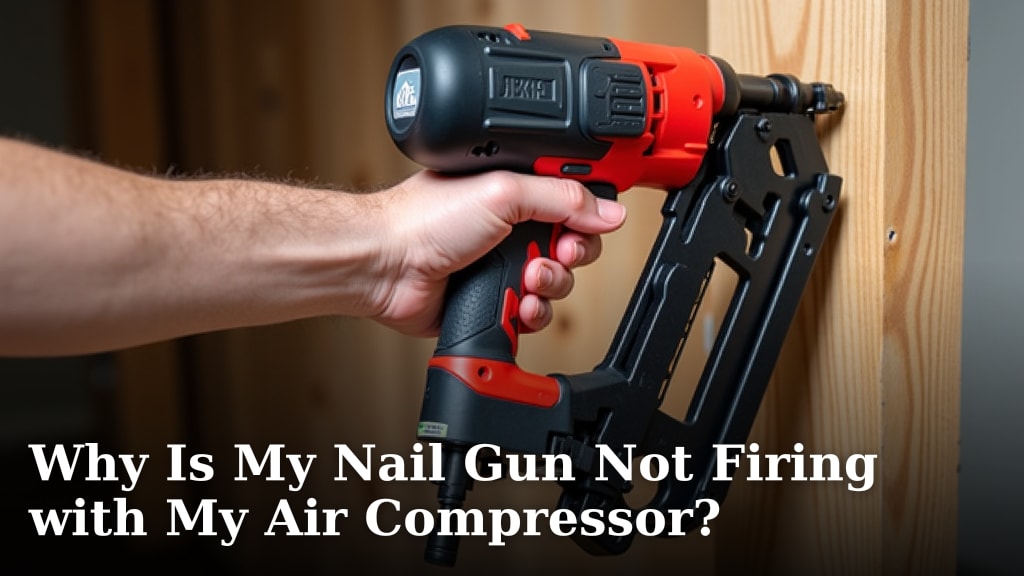
Your nail gun isn’t firing with your air compressor because of a few common reasons, often related to air pressure, connections, or the tool itself. It’s usually a simple fix involving checking a few key components to get your project moving again. Don’t worry, we’ll help you diagnose the problem quickly.
When your nail gun suddenly stops working, it can be frustrating, especially when you have work to do. Many DIYers and pros encounter this issue. We found that the most common culprits are surprisingly straightforward to address, saving you time and a potential service call. Let’s get your nailer back in action.
- Low air pressure is a common cause.
- Check all air hose connections are secure.
- Your nail gun might be out of nails or jammed.
- Internal safety or trigger mechanisms could be the issue.
Let’s walk through the most likely culprits and how to fix them, so you can get back to building.
Troubleshooting Your Nail Gun When It Won’t Fire with Your Air Compressor
It’s incredibly frustrating when your nail gun suddenly refuses to fire. You’ve got a project waiting, and your trusty tool has decided to take a break. Many DIYers and professionals run into this problem. We’ve found that the issues are usually quite simple to fix. Let’s walk through the most common reasons why your nail gun might not be firing and how you can get it working again.
Checking the Air Pressure: The Most Common Culprit
The number one reason a nail gun won’t fire is insufficient air pressure. Think of your air compressor as the heart pumping life into your nail gun. If it’s not pumping enough, the nail gun just won’t have the force to drive a nail. This guide explains how insufficient air pressure can prevent your nail gun from firing.
Understanding PSI Requirements
Every nail gun has a specific operating pressure. This is measured in pounds per square inch (PSI). Your air compressor needs to meet or exceed this requirement. If it’s too low, the tool will struggle or fail to fire.
Finding Your Nail Gun’s PSI
You can usually find the recommended PSI on the nail gun itself. Look for a sticker or engraving, often near the air inlet. If you can’t find it there, check the user manual for your specific model. We found that forgetting to check this is a very common oversight.
Setting the Correct Air Pressure on Your Compressor
Your air compressor has a regulator. This is the knob or dial that controls the output pressure. You’ll typically see a gauge showing the PSI. Make sure to adjust this regulator to the recommended PSI for your nail gun. Many compressors have two gauges: one for tank pressure and one for regulated output pressure. Always use the regulated output gauge.
Is Your Compressor Even Running?
It sounds obvious, but double-check that your air compressor is actually turned on and has power. Sometimes, a tripped breaker or a loose power cord can be the culprit. We’ve seen people forget to plug it in or hit the wrong switch!
Ensuring Enough Air in the Tank
Even if your compressor is running, it needs a certain amount of air pressure in its tank to operate effectively. If the tank is nearly empty, it might not be able to supply the consistent pressure your nail gun needs. Wait for the compressor to build up adequate pressure Ensure your compressor can build up adequate pressure before using the nail gun. before attempting to fire the nail gun.
The Air Hose and Connections: Where the Air Gets Lost
The connection between your air compressor and your nail gun is critical. Any leaks or blockages here can prevent proper airflow.
Securing the Air Hose Connection
Ensure the air hose is tightly connected to both the air compressor’s outlet and the nail gun’s air inlet. Many hoses use quick-connect fittings. Give them a firm push and listen for a click to confirm they are securely attached. A loose connection is a frequent offender.
Inspecting the Air Hose Itself
Look for any damage to the air hose. Cracks, kinks, or punctures can cause significant air leaks. A damaged hose might need to be replaced. We found that even minor damage can reduce airflow enough to cause firing issues.
Checking for Leaks at Fittings
Even with a good connection, fittings can leak. A simple test is to spray some soapy water on the connections while the compressor is running and the nail gun is charged. If you see bubbles forming, you have a leak. You might need to tighten the fitting or use some plumber’s tape on the threads for a better seal.
The Nail Gun Itself: Internal Issues and Obstructions
Sometimes, the problem isn’t with the air supply but with the nail gun’s internal workings or its ammunition.
Are You Out of Nails?
This might sound simple, but many nail guns have a safety mechanism that prevents firing if there are no nails loaded. Check your nail magazine and load it according to the manufacturer’s instructions. Make sure you’re using the correct type and size of nails for your tool.
Dealing with Nail Jams
Nails can get stuck or jammed in the firing mechanism. This is a common issue, especially if you’ve accidentally fired the gun without a nail or if a nail bends.
- Always disconnect the air supply before attempting to clear a jam. Safety first!
- Consult your nail gun’s manual for specific jam-clearing instructions.
- Often, you’ll need to open the magazine or nose of the tool to access and remove the jammed nail. A pair of pliers might be necessary.
The Safety Contact Trip (Nose Piece)
Most nail guns have a safety tip or contact trip on the nose. You must press this against the material you are nailing before pulling the trigger. If this contact trip is stuck, damaged, or not depressed properly, the nail gun won’t fire. Try wiggling it gently to ensure it moves freely.
The Trigger Mechanism
The trigger is another component that can fail. Like the safety trip, it might be stuck or damaged. If you’ve checked everything else, the trigger itself could be the issue, possibly requiring repair or replacement.
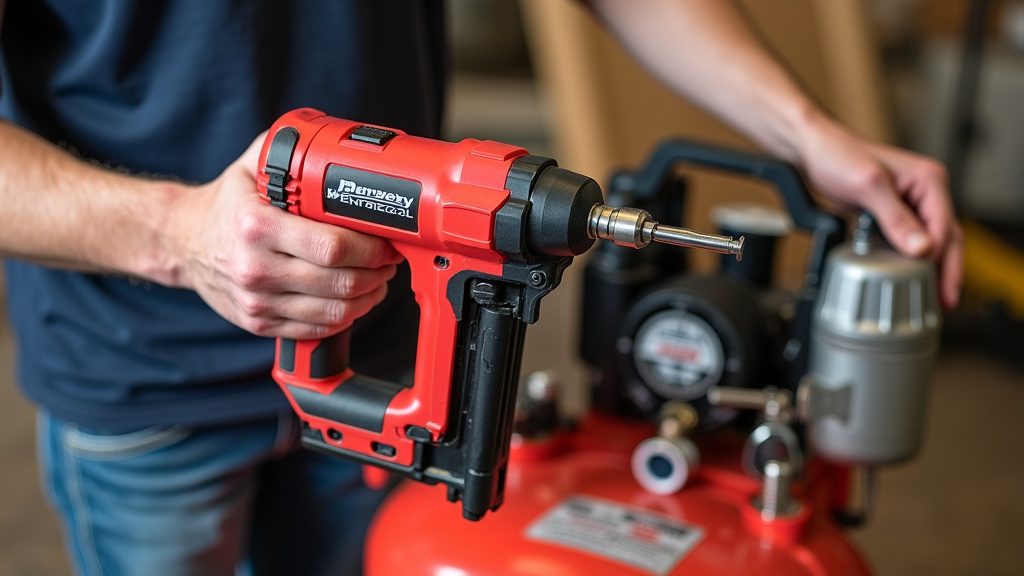
A Quick Checklist to Get You Firing Again
Here’s a simple checklist to run through when your nail gun isn’t firing:
- Check Air Pressure: Ensure your compressor is set to the PSI recommended for your nail gun.
- Secure All Connections: Verify the air hose is tightly connected to both the compressor and the nail gun.
- Inspect the Hose: Look for any kinks, cracks, or damage to the air hose.
- Load Nails Properly: Make sure you have the correct nails loaded in the magazine.
- Clear Any Jams: Disconnect air and check for and remove any stuck nails.
- Test the Safety Trip: Ensure the nose piece can be depressed properly.
When to Seek Professional Help
If you’ve gone through all these steps and your nail gun still isn’t firing, it’s possible there’s an internal problem that requires more advanced troubleshooting or repair. Many experts suggest that if the issue persists after these checks, it might be time to consult the manufacturer’s support or a tool repair professional. Attempting complex internal repairs yourself can sometimes void warranties or cause further damage.
Conclusion
You’ve now got a clear roadmap for troubleshooting your nail gun. We found that most firing issues stem from simple things like air pressure settings, loose connections, or a nail jam. Before assuming your tool is broken, run through our checklist: check your PSI, secure your hose, and make sure the nail gun is loaded and clear. By systematically addressing these common culprits, you can often get back to your project quickly. If you’ve tried all these steps and your nail gun still won’t fire, it might be time to consult the manufacturer or a professional repair service.
Frequently Asked Questions
How much air pressure (PSI) does my nail gun need?
Your nail gun’s required PSI is usually printed on the tool itself or in its user manual. This specification is critical, as too little pressure will prevent it from firing nails effectively. Always set your air compressor’s regulator to meet or exceed this recommended PSI.
What should I do if my nail gun fires but doesn’t drive the nail all the way?
This often indicates insufficient air pressure. Your compressor may not be supplying enough PSI, or there might be a leak in the air hose or fittings. Check your regulator setting and inspect all connections for leaks using soapy water. A kinked hose can also restrict airflow.
Can I use a nail gun without an air compressor?
Most standard nail guns, often called pneumatic nail guns, require an air compressor to function. There are battery-powered and electric nail guns available that do not need an air compressor, but they operate differently and may have limitations.
What is the “safety contact trip” on my nail gun, and why is it important?
The safety contact trip is the part on the nose of your nail gun that must be pressed against the surface you’re nailing before the trigger will fire. If this safety mechanism is stuck, damaged, or not fully depressed, the nail gun will not fire, which is a safety feature to prevent accidental discharge.
My nail gun jammed. How do I safely clear it?
The first and most important step is to disconnect the air supply from the compressor. Then, consult your nail gun’s manual for specific jam-clearing instructions, which usually involve opening the magazine or nose piece to remove the obstruction. Patience is key to avoid damaging the tool.
