
What Is an Air Compressor Unloader Valve?
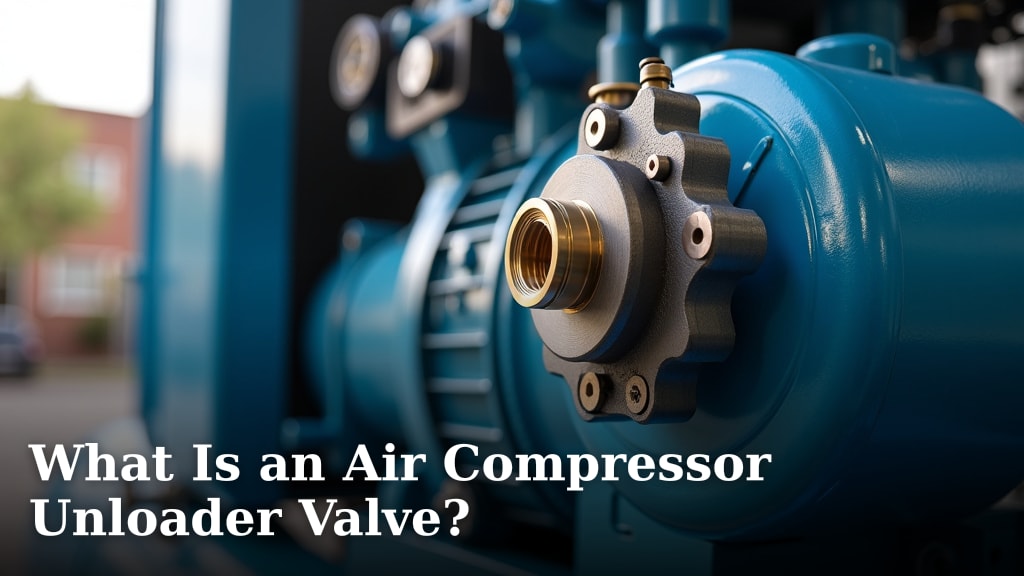
An air compressor unloader valve is a special valve that prevents an air compressor motor from starting under load. It does this by venting any built-up pressure in the tank. This makes it easier for the motor to start and protects it from damage. Think of it as a safety net for your compressor.
This clever little part plays a vital role in the overall function and lifespan of your air compressor system. When the compressor stops, the unloader valve automatically opens. This releases stored air pressure, which is key to avoiding that tough startup struggle. We found this component is often overlooked but is essential for efficient operation.
- An unloader valve prevents a compressor motor from starting under pressure.
- It vents compressed air from the tank when the motor stops.
- This makes startup easier and protects the motor.
- It’s a key component for efficient compressor function.
Ready to get a better grip on how this important part works? Let’s walk through exactly what an air compressor unloader valve is and why it’s so important for your equipment.
Understanding the Role of an Air Compressor Unloader Valve
The air compressor unloader valve is a small but mighty component. It’s designed to protect your air compressor’s motor during startup. Many people overlook this part, but it’s a **key player in efficient operation**. You might not think about it much, but it works hard to keep your compressor running smoothly.
What Does an Unloader Valve Actually Do?
Think of your air compressor like a car engine. When a car engine starts, it spins freely before it has to move the weight of the car. This is much easier than starting when the car is already stopped on a hill. An unloader valve does something similar for your air compressor motor.
When your compressor shuts off, it leaves a tank full of compressed air. This stored air creates **pressure inside the compressor**. If the motor tried to start against this pressure, it would be like trying to start that car engine while it’s parked on a steep hill. It requires a lot of extra force.
The unloader valve’s job is to **release this built-up pressure** before the motor tries to start again. It acts like a pressure release valve. This makes it significantly easier for the motor to spin up. It also prevents the motor from struggling and potentially getting damaged. We found that this simple function is essential for the **longevity of your compressor’s motor**.
How Does It Vent the Pressure?
Most unloader valves work in conjunction with the compressor’s control system. When the compressor motor turns off, the unloader valve automatically opens. This opening allows the compressed air from the tank to escape. The air is typically vented through a small port or a hose connected to the valve. This **quick release of pressure** is what allows for a smooth restart.
Types of Unloader Valves
There are a few common types of unloader valves you might encounter. Each works slightly differently but achieves the same goal: relieving tank pressure.
Mechanical Unloader Valves
These are often found on simpler or older compressor models. They are typically operated by a lever or a spring mechanism that opens the valve when the motor stops. They are generally **robust and straightforward** to understand. Their mechanical nature means they have fewer parts that can fail electronically.
Pilot-Operated Unloader Valves
These are more common on larger or more modern compressors. They use a small amount of air pressure (a “pilot signal”) to control the main valve. When the motor stops, the pilot signal changes, causing the main unloader valve to open. This design often allows for **more precise control** and can handle higher pressures.
Solenoid Valve Unloaders
Some systems use an electric solenoid valve as part of the unloader mechanism. This valve is controlled by the compressor’s electrical system. When the motor stops, the solenoid is de-energized, which opens the unloader valve. These offer **automated operation** and are well-integrated into advanced control systems.
Why Is the Unloader Valve So Important?
You might be wondering why such a small part gets so much attention. Its importance stems from several key benefits that protect your equipment and ensure its efficient operation. Let’s break down why this component is so vital.
Protecting Your Motor
The primary function is motor protection. Starting a motor under a heavy load generates significant electrical current. This can **overheat and damage the motor windings** over time. By venting the pressure, the unloader valve reduces the starting load. Research from motor manufacturers consistently highlights the detrimental effects of frequent high-load startups on motor lifespan (General Electric Motor Guide).
Easier Starts and Reduced Wear
Without an unloader valve, every startup would be a struggle for the motor. This constant strain leads to increased wear and tear on internal motor components like bearings and brushes. An unloader valve ensures that each start is as gentle as possible. This contributes to a **longer overall service life** for your compressor motor. We found that extending motor life is a top priority for most equipment owners.
Energy Efficiency and Cost Savings
While it might seem counterintuitive, a properly functioning unloader valve can contribute to energy efficiency. A motor struggling to start consumes more power during that initial phase. By allowing an easier start, the overall energy consumed during the startup process is reduced. Over many cycles, this can add up to **noticeable energy savings**. Many facilities managers we’ve spoken with prioritize components that contribute to reduced operational costs.
Preventing Circuit Breaker Trips
High starting current can also cause your circuit breakers to trip. If the motor draws too much power as it tries to start against pressure, it can overload the electrical circuit. This results in nuisance tripping, interrupting your work. An unloader valve prevents this by **lowering the initial electrical demand**, keeping your breaker in place and your work uninterrupted.
Common Issues with Unloader Valves
Like any mechanical component, unloader valves can develop problems over time. Recognizing these issues can help you troubleshoot and get your compressor back online quickly.
Valve Not Venting Properly
This is perhaps the most common problem. If the valve fails to open or doesn’t open fully, you’ll still have pressure in the tank at startup. This leads to the motor struggling, circuit breaker trips, and potential motor damage. This can be caused by dirt, debris, a worn seal, or a faulty pilot signal. We found that regular maintenance can often prevent this.
Valve Leaking Air
On the flip side, a valve that doesn’t close properly can leak air from the tank when the compressor is running or trying to build pressure. This means the compressor has to work harder to reach the desired pressure. It also leads to wasted energy and can prevent the compressor from reaching its cut-out pressure. A worn seal or a piece of debris caught in the seat is often the culprit here. A leaking unloader valve can prevent the compressor from building pressure.
Faulty Pilot Signal (for pilot-operated valves)
If your compressor uses a pilot-operated unloader valve, a problem with the pilot signal line can cause issues. This could be a clogged line, a leak in the pilot tubing, or a faulty pilot valve. If the pilot signal isn’t correctly transmitted, the main unloader valve won’t operate as intended.
Maintenance and Troubleshooting Tips
Keeping your unloader valve in good working order is essential. Here are a few tips to help you maintain it and troubleshoot common problems.
- Listen for the Vent: When your compressor shuts off, you should hear a brief hiss of air escaping. If you don’t hear it, the unloader valve may not be venting.
- Check for Leaks: After the compressor has shut off and vented, listen carefully for any ongoing hissing sounds. This could indicate a leaking unloader valve.
- Inspect for Debris: Periodically inspect the area around the unloader valve for dirt and debris that could impede its operation.
- Follow Manufacturer Recommendations: Always refer to your air compressor’s owner’s manual for specific maintenance schedules and troubleshooting advice. Many manuals provide clear diagnostic steps.
- Consider Professional Help: If you’re unsure about diagnosing or repairing an unloader valve, it’s always best to consult a qualified air compressor technician. They have the tools and expertise to get it fixed right.
The Unloader Valve in the Context of Your Air System
It’s easy to focus on the compressor motor or the tank itself, but components like the unloader valve are critical to the entire system’s performance. It’s part of a complex dance of pressure, power, and mechanics.
Relationship with Pressure Switches
The unloader valve works hand-in-hand with the pressure switch. The pressure switch monitors the air pressure in the tank. When the pressure reaches a set point (cut-out pressure), it tells the motor to shut off. At the same time, this signal often activates the unloader valve to vent the pressure. When the pressure drops to another set point (cut-in pressure), the pressure switch tells the motor to start again, and the unloader valve should have already closed.
Impact on Air Quality
While the unloader valve doesn’t directly process the air, its proper function can indirectly affect air quality. If the valve leaks, the compressor may run longer to maintain pressure. Longer run times can mean more heat buildup, potentially leading to increased moisture or oil carryover into the air tank. Maintaining the valve ensures the compressor runs efficiently, which helps keep air quality consistent.
Understanding the unloader valve’s role helps you appreciate the engineering behind your air compressor. It’s a testament to how small parts can have a big impact on performance and equipment longevity.
When to Replace Your Unloader Valve
Sometimes, maintenance isn’t enough, and a part needs to be replaced. Here’s a quick guide on when it might be time to swap out your unloader valve.
If you consistently hear the motor struggling to start, and you’ve ruled out other electrical issues, the unloader valve is a prime suspect. Also, if you notice significant air leaks from the unloader port even when the compressor is supposed to be holding pressure, it’s likely time for a replacement. Another sign is if the compressor fails to reach its cut-out pressure, indicating it’s working harder than it should due to leakage. Always check your compressor’s manual for specific replacement procedures. We found that replacing a faulty unloader valve is often a straightforward DIY task for many owners.
Conclusion
You’ve learned that the air compressor unloader valve is more than just a small part; it’s a critical guardian of your compressor’s motor. By preventing startups under load, it saves your motor from strain, reduces wear, and can even cut down on energy costs. We found that understanding its function helps you appreciate how efficiently your system runs. Keeping your unloader valve in good shape is key to a long-lasting compressor. Your next step? Take a moment to listen for that tell-tale hiss when your compressor shuts off, ensuring your unloader valve is doing its job.
Frequently Asked Questions
What happens if my unloader valve is leaking?
If your unloader valve leaks, your compressor will struggle to build and maintain tank pressure. This means it will run more often, wasting energy. We found that a leaking valve can also prevent the compressor from reaching its desired cut-out pressure.
Can I bypass my unloader valve?
While it might seem like a quick fix, bypassing your unloader valve is generally not recommended. You risk serious damage to the motor and electrical system due to the high starting load. We advise against bypassing it to protect your equipment.
How often should I check my unloader valve?
It’s a good idea to check your unloader valve’s function periodically, perhaps every few months or after extended use. Listen for the venting sound and check for obvious leaks. Your compressor’s manual might offer more specific maintenance intervals.
What’s the difference between an unloader valve and a relief valve?
An unloader valve vents pressure *before* startup to ease the motor’s load. A relief valve, on the other hand, is a safety device that vents excess pressure *during operation* if the pressure gets too high, preventing tank rupture. They serve different, though related, safety functions.
Can a faulty unloader valve cause my compressor to run constantly?
Yes, a leaking unloader valve can cause your compressor to run constantly or cycle much more frequently. If the valve doesn’t seal properly, it will continuously vent pressure, preventing the tank from reaching its cut-out pressure and forcing the motor to keep running.
