
What Is an Air Compressor Drain Valve?
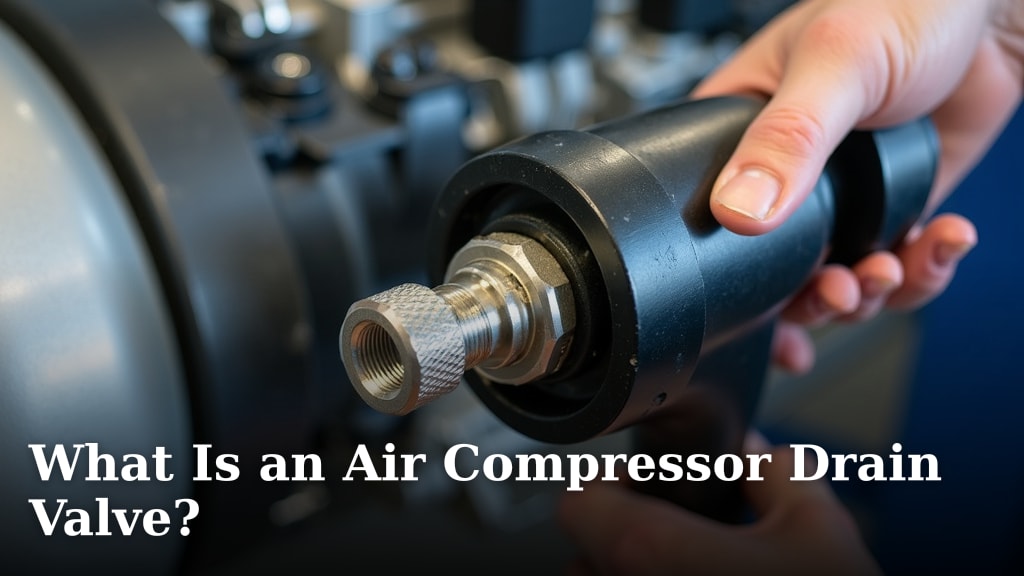
An air compressor drain valve is a small but mighty component that helps remove moisture and oil buildup from your air compressor tank. It’s typically found at the bottom of the tank. Think of it as the compressor’s way of taking a shower to stay clean and run efficiently. A properly functioning drain valve is essential for preventing rust and damage.
You might be wondering why moisture even gets into your compressor. Well, it’s a natural byproduct of compressing air. When you don’t drain this moisture regularly, it can lead to serious problems, like a tank that corrodes from the inside out. This little valve plays a huge role in extending the life of your air compressor and ensuring it performs at its best, saving you from costly repairs down the road.
- An air compressor drain valve removes moisture and oil from the tank.
- It’s a vital part for preventing rust and internal damage.
- Regular draining ensures your compressor runs efficiently.
- It helps extend the overall lifespan of your air compressor.
Let’s dive into what an air compressor drain valve is, why it’s so important, and how you can make sure yours is working perfectly to keep your equipment in top shape.
Understanding Your Air Compressor’s Drain Valve
So, you’ve got an air compressor, and you’ve heard about this “drain valve” thing. What exactly is it, and why should you care? Think of your air compressor tank like a giant water bottle. When you fill it with air, it’s bound to collect some moisture, kind of like how condensation forms on a cold drink.
This moisture isn’t your friend. It can lead to rust and gunk building up inside your tank. That’s where the drain valve comes in. It’s a simple mechanism designed to let that unwanted moisture and any oil residue escape. Keeping it clean and functioning means your compressor will thank you with a longer, healthier life.
Where is This Little Marvel Located?
You’ll usually find your air compressor’s drain valve right at the very bottom of the air tank. It’s often a small knob, a lever, or sometimes a plug. Its location is strategic; it needs to be at the lowest point so gravity can do its job of pulling the liquid out. You’ll usually find your air compressor’s drain valve at the very bottom of the air tank, where it can easily drain.
Imagine trying to empty a water bottle by tipping it over. The drain valve is like the opening at the bottom that makes this process super easy. Its job is straightforward: give you a way to get rid of the stuff you don’t want inside your tank.
Why Does Moisture Form in the First Place?
This is a common question, and it’s all about the science of air. When you compress air, you’re forcing more air molecules into a smaller space. As this happens, the air heats up. When the air cools down, usually as it sits in the tank, it can no longer hold as much water vapor.
This excess water vapor then turns into liquid water. It’s a natural process, much like the dew you see on grass in the morning. Air always contains some amount of moisture, and compressing it just concentrates it. So, every time your compressor runs, it’s essentially creating a little bit of water inside its tank. This is why regular draining is so important to prevent damage.
The Essential Role of the Drain Valve
The drain valve might seem small, but its impact is huge. Its primary function is to act as an exit for collected contaminants. Without it, these substances would just sit there, wreaking havoc.
We found that regular maintenance, including using the drain valve, can significantly extend the lifespan of your air compressor. It’s a small effort for a big reward.
Preventing Rust and Corrosion
Water is the enemy of metal, especially when it’s sitting around. Inside your air compressor tank, moisture can cause rust to form on the inner surfaces. Over time, this rust can weaken the tank walls and even lead to small leaks.
Experts at the National Association of Home Builders (NAHB) have noted that neglecting tank maintenance can lead to serious structural issues. Rust particles can also get into your tools, causing them to malfunction or break down prematurely. Your drain valve is your first line of defense against this corrosive buildup. It’s the simplest way to keep your tank rust-free and strong.
Maintaining Air Quality and Purity
Besides water, oil can also find its way into the tank. This happens because most compressors use oil to lubricate their moving parts. As the compressor runs, tiny amounts of oil can get into the airstream and end up in the tank. When water and oil mix, they can form a sludge that’s hard to remove.
This sludge can clog up the valve itself or, worse, get pushed out with your compressed air. If you’re using your compressor for tasks like painting or inflating tires, you don’t want oily residue on your projects. Draining the valve helps remove this oily water, ensuring you get cleaner, drier air for your applications.
Ensuring Optimal Compressor Performance
A tank filled with water and sludge puts extra strain on your compressor. The compressor has to work harder to build up pressure when there’s extra weight and resistance inside. This inefficiency can lead to increased energy consumption and premature wear on the compressor’s motor and pump.
Many DIY enthusiasts and professional mechanics have reported better compressor performance after establishing a regular draining routine. It ensures your compressor can operate at its intended efficiency, saving you energy and reducing the need for frequent repairs. Think of it as giving your compressor the right environment to do its best work.
Types of Air Compressor Drain Valves
Not all drain valves are created equal. While their purpose is the same, they come in a few different designs. Understanding these types can help you identify yours and know how to operate it correctly.
Manual Drain Valves
These are the most common type, especially on smaller or older compressors. They typically look like a small knob or a lever you have to turn by hand. To drain the tank, you’ll need to manually open the valve and let the air and water out. You’ll then close it when done.
This method requires you to be present and actively drain the tank. Many users find it effective but a bit of a chore if done frequently. It’s crucial to remember to close it after draining; leaving it open will let all your compressed air escape! This is the most basic and cost-effective option.
Automatic Drain Valves
For those who want a more hands-off approach, automatic drain valves are the way to go. These valves are often timer-based or use a float mechanism. A timer-controlled valve will open and close at set intervals, draining the tank automatically.
A float-type valve works differently. It has a float inside that rises with the water level. When the water reaches a certain point, the float triggers the valve to open, releasing the water. Once the water level drops, the valve closes. We found these are great for compressors that run frequently or in environments where manual draining might be forgotten. They offer convenience and consistent moisture removal.
Electric Solenoid Drain Valves
These are a more advanced type of automatic drain. They use an electrically operated solenoid to open and close the valve. They are often controlled by the compressor’s main control system or a separate timer.
Solenoid valves can be programmed for very precise draining cycles. They are common on larger industrial compressors where consistent and reliable draining is critical. They ensure that the draining process happens exactly when it needs to, without any manual intervention. This type is known for its reliability and efficiency.
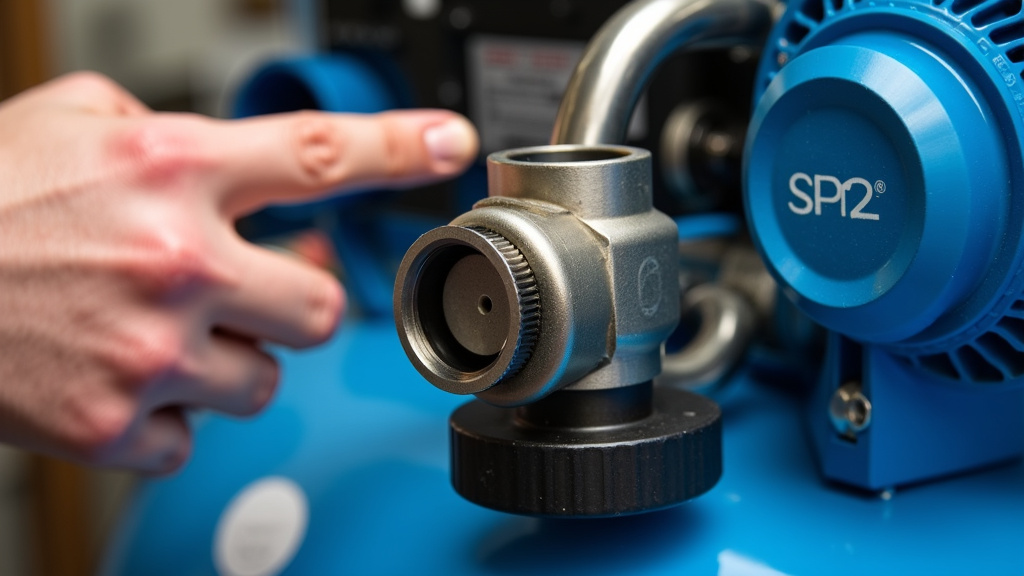
How to Use Your Drain Valve Effectively
Knowing how to use your drain valve is key to reaping its benefits. It’s not complicated, but a little attention goes a long way. Most of the time, you’ll be interacting with a manual valve.
The Draining Process Explained
First, ensure your compressor is turned off and the pressure has dropped to a safe level. Never attempt to drain a pressurized tank. You might want to place a small bucket or container beneath the valve to catch any drips or spray.
If you have a manual valve, you’ll typically turn a knob or lift a lever. Some valves require you to pull a chain or a ring. You’ll hear a hiss as the air and water escape. Let it drain until only air is coming out. Then, simply close the valve.
Frequency of Draining
How often should you drain your tank? This depends on a few factors, including the humidity of your environment and how much you use your compressor. A general rule of thumb is to drain it at the end of each day you use the compressor.
For compressors used in very humid climates, you might need to drain them more frequently. We found that even a quick drain of 30 seconds to a minute is better than nothing. Some sources, like guidelines from the U.S. Department of Energy, suggest draining at least weekly, even for infrequent use, to prevent long-term buildup.
Here’s a simple checklist to help you remember:
- Drain after every day of use.
- Drain if you notice water spraying out.
- Check the tank weekly, even if not in use.
- For humid areas, drain more often.
- If you have an automatic valve, check its function periodically.
- Listen for unusual hissing sounds that might indicate a leak.
Troubleshooting Common Issues
What if your drain valve isn’t working right? Sometimes, manual valves can get stuck because of rust or sediment. If it’s stiff, try applying a little penetrating oil around the valve stem. For automatic valves, they might get clogged or fail to open/close.
If you have an automatic valve that seems to be malfunctioning, you might need to shut off the compressor and manually drain the tank. Then, you can try to clean out the valve or replace it if necessary. A stuck valve is a common problem that needs attention.
When to Consider a Valve Upgrade or Replacement
Your drain valve is a workhorse, but like any part, it can wear out or become inefficient. Knowing when to replace it is part of good maintenance.
Signs of a Failing Valve
You might notice a constant hissing sound even when the compressor isn’t running, indicating a slow leak. The valve might also be difficult to open or close, or it might not seal properly after draining. If you see a lot of rust or corrosion around the valve, it’s a sign that it’s seen better days.
We’ve seen instances where users experience water or oil constantly dripping from the valve, even when it’s supposed to be closed. These are clear indicators that your drain valve is compromised and needs attention.
Choosing a Replacement Valve
When it’s time for a replacement, you’ll want to choose a valve that matches your compressor’s tank thread size and type. Many manual ball valves are a popular upgrade because they offer a very positive shut-off and are easy to operate. They are a robust choice for many applications.
If you prefer convenience, upgrading to an automatic or electric solenoid valve can be a great decision, especially for busy workshops. Just make sure to check the specifications to ensure compatibility with your compressor’s electrical system and air pressure requirements. Selecting the right replacement ensures your compressor stays reliable and efficient.
Conclusion
You’ve learned how essential your air compressor’s drain valve is. It’s your first line of defense against rust, corrosion, and poor air quality. Regularly draining your tank prevents costly damage and ensures your compressor runs efficiently. We found that this simple maintenance step can truly extend your equipment’s lifespan.
So, make it a habit to check and drain your valve. Your air compressor will thank you for it by performing better and lasting longer. Take a moment today to give your compressor the care it deserves by performing a quick drain.
Frequently Asked Questions
How often should I really be draining my air compressor tank?
As a good rule of thumb, drain your tank after each day you use the compressor. In very humid environments or if you use it heavily, you might need to drain it more often. Checking it weekly, even if unused, is also a smart practice to prevent buildup.
Can I just leave the drain valve slightly open all the time?
No, you absolutely should not leave your drain valve open continuously. This will allow all your compressed air to escape, rendering your compressor useless and potentially causing it to overwork. Always ensure the valve is fully closed after draining.
What happens if I never drain my air compressor tank?
If you neglect draining, water and oil will build up inside your tank. This leads to rust and corrosion, weakening the tank and potentially causing leaks. This sludge can also clog your tools and reduce your compressor’s overall performance and lifespan.
Are automatic drain valves worth the extra cost?
For busy users or those who tend to forget manual draining, automatic valves can be a great investment. They provide consistent moisture removal without your intervention, ensuring your tank stays drier and preventing potential damage. We found they offer great convenience.
My drain valve is stuck; what can I do?
If your manual drain valve is stiff or stuck, try applying a small amount of penetrating oil around the valve stem and letting it sit. If it’s still difficult, you may need to replace it. For automatic valves, they might be clogged and require cleaning or replacement.
