
Is a Rotary Screw Air Compressor Worth It?
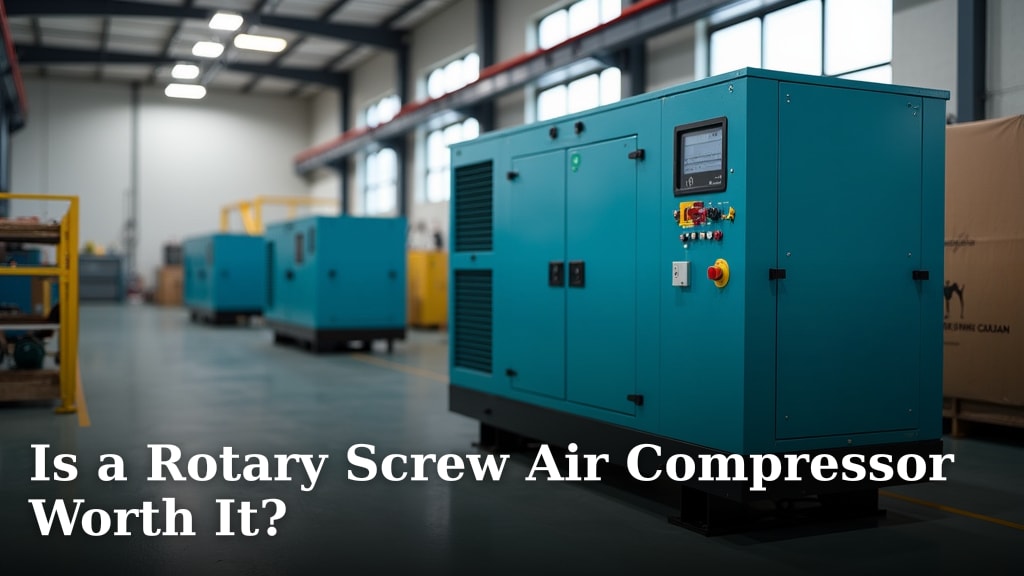
Yes, a rotary screw air compressor is often worth the investment for many businesses, especially those needing a reliable and continuous supply of compressed air. These compressors are designed for heavy-duty use and offer consistent performance, which can save you money in the long run by avoiding downtime and repair costs.
When you’re looking at compressed air solutions, rotary screw models stand out for their efficiency and durability. Unlike some older types of compressors, they use a pair of intermeshing screws to compress air. This design means fewer moving parts, leading to less wear and tear and a quieter operation. Many users find their long lifespan justifies the initial cost.
- Rotary screw compressors are ideal for continuous air demand.
- They offer higher efficiency and lower energy bills over time.
- Their durable design means less maintenance and fewer repairs.
- Consider your specific air needs before making a choice.
So, is it the right choice for your workshop or facility? Let’s look at what makes them a great option and when they might be the best fit for your needs.
Are Rotary Screw Air Compressors a Good Investment for Your Business?
For many businesses, investing in a rotary screw air compressor proves to be a smart financial decision. These units are built for tough, continuous operation. They deliver a steady stream of compressed air without much fuss. This reliability can translate directly into cost savings. You avoid costly downtime and unexpected repair bills. This makes them a worthwhile option for operations that depend on a consistent air supply.
Understanding the Rotary Screw Design
At the heart of a rotary screw compressor is its unique design. It uses two intermeshing helical screws. These screws rotate in opposite directions. As they turn, they trap air and reduce its volume. This process compresses the air efficiently. It’s a method that results in fewer moving parts compared to older compressor technologies. This means less friction and less wear and tear over time.
How the Screws Work Together
Imagine two giant corkscrews working in tandem. As they spin, they create pockets that get progressively smaller. Air gets pulled into these pockets. The screws then push the air along their length. This continuous motion forces the air into a smaller space. This is how compression happens. This direct compression is very effective.
Fewer Moving Parts, More Reliability
Think about it: fewer parts usually mean fewer things can break. Older piston compressors have many more moving components. They often require more maintenance. Rotary screws have a simpler core mechanism. This robust design is a key reason for their reputation for longevity. It reduces the chances of mechanical failure. This leads to fewer disruptions in your workflow.
Key Benefits That Make Them Worth It
Why do so many businesses choose rotary screw models? It’s the combination of several key advantages. These benefits often outweigh the initial purchase price. Let’s break down what makes them so appealing.
Consistent and Continuous Airflow
If your operations need air all day, every day, a rotary screw is a strong contender. They excel at providing a constant, uninterrupted air supply. Unlike some other compressor types that cycle on and off, rotary screws can run for extended periods. This makes them ideal for manufacturing lines, large workshops, and other demanding environments. You won’t experience dips in pressure that can halt your work.
Energy Efficiency and Lower Operating Costs
While the initial cost might be higher, rotary screw compressors can save you money on energy bills. They are generally more energy-efficient for continuous use. Their design allows for smoother operation. This means less wasted energy. We found that for businesses with a consistent demand, the energy savings over the compressor’s lifespan can be substantial. This efficiency is a major factor in their long-term value.
For example, consider a workshop running air tools for eight hours a day. A more efficient compressor means lower electricity costs. Many models feature variable speed drives (VSDs). These adjust the motor speed based on air demand. This optimizes energy consumption even further. It’s like having a car that only uses gas when you need it to go faster.
Durability and Extended Lifespan
Rotary screw compressors are built to last. Their simpler design with fewer wear parts contributes to this. Many users report their rotary screw units operating reliably for 10, 15, or even 20 years. This long lifespan means you won’t be replacing the unit every few years. You get a dependable workhorse for your facility. This longevity is a significant part of why they are considered a good investment.
Quieter Operation
Compared to older, larger piston compressors, rotary screws are generally much quieter. This can be a big plus, especially if your compressor is located near workspaces or offices. Reduced noise levels can improve the working environment. It can also help meet noise regulations. Many modern rotary screw units come with enclosed cabinets for even further sound dampening.
Lower Maintenance Needs
With fewer moving parts, there’s naturally less that requires regular maintenance. You’ll still need standard upkeep like oil changes and filter replacements. However, the frequency and complexity are often less demanding than with other compressor types. This translates to less labor and fewer part costs. It means your maintenance team can focus on other critical tasks.
When is a Rotary Screw Compressor the Right Choice?
So, how do you know if a rotary screw compressor fits your specific situation? It really comes down to your air usage patterns and demands. Here’s a quick checklist to help you decide.
Considering Your Air Demand
Ask yourself these questions:
- Do you need compressed air constantly throughout the workday?
- Is a steady, consistent pressure crucial for your tools or processes?
- Do you use a high volume of compressed air over extended periods?
- Is energy efficiency a major concern for your operational budget?
- Are you looking for a long-term solution with minimal operational disruptions?
If you answered “yes” to most of these, a rotary screw compressor is likely a very good fit for your needs. They are designed precisely for these types of demands.
Rotary Screw vs. Other Compressor Types
It’s helpful to see how rotary screws stack up against other common types. This can clarify why they are often the preferred choice for certain applications.
| Compressor Type | Best For | Pros | Cons |
|---|---|---|---|
| Rotary Screw | Continuous, high-volume air demand | Energy efficient for constant use, reliable, durable, quieter | Higher initial cost |
| Piston (Reciprocating) | Intermittent, low-volume air demand | Lower initial cost, good for occasional use | Less energy efficient for continuous use, louder, more wear on parts |
| Centrifugal | Very large, constant air demand (industrial scale) | Extremely high air volumes, very durable | Very high cost, complex maintenance, best suited for large plants |
As you can see, for the sweet spot of continuous operation and moderate to high demand, the rotary screw often hits the mark perfectly. Piston compressors are great for smaller shops or infrequent use, while centrifugal units are for massive industrial applications.
When Might It NOT Be the Best Fit?
Are there times when a rotary screw isn’t the ideal choice? Yes, if your air usage is very infrequent and sporadic. For instance, if you only need compressed air for a few minutes a day to inflate a tire or use a small nail gun occasionally. In such cases, a smaller, less expensive piston compressor might suffice. The upfront cost of a rotary screw might not be justified for minimal air needs.
Also, consider the overall power requirements. Rotary screw compressors, especially larger ones, require a robust electrical supply. Make sure your facility can handle the load. We found that proper sizing is key to maximizing efficiency and avoiding electrical issues.
Making the Final Decision for Your Business
Ultimately, determining if a rotary screw air compressor is worth it hinges on your specific business needs. They are designed for performance, reliability, and efficiency in demanding environments. Their ability to deliver consistent air over long periods is a major advantage.
The long lifespan and reduced maintenance also contribute to a lower total cost of ownership over the years. Many users find that the initial investment pays for itself through reduced downtime and energy savings. Carefully assessing your compressed air requirements will help you make the best decision for your operation.
Conclusion
So, is a rotary screw air compressor worth it for your business? Based on what we’ve seen, the answer is a resounding yes for operations needing consistent, high-volume compressed air. You’re looking at a machine built for the long haul, offering excellent energy efficiency and significantly less downtime than other types. While the initial price might be a consideration, the reduced maintenance, lower energy bills, and impressive lifespan mean a strong return on your investment. To make your final decision, take stock of your daily air usage and pressure needs. If continuous operation is key, a rotary screw is likely your best bet.
Frequently Asked Questions
How long does a rotary screw air compressor typically last?
We found that rotary screw compressors are known for their longevity. With proper maintenance, you can expect them to operate reliably for 10 to 20 years. This extended lifespan is a major factor in their overall cost-effectiveness.
Are rotary screw compressors really more energy-efficient?
Yes, particularly for continuous use. Their design allows for smoother operation, and models with variable speed drives can match air output to demand. This significantly reduces wasted energy compared to compressors that cycle on and off.
What kind of maintenance does a rotary screw compressor require?
Maintenance is generally less demanding than with older compressor types. You’ll still need regular oil changes and filter replacements. However, the simpler design with fewer moving parts means fewer potential issues and less frequent service intervals.
Can a rotary screw compressor be too loud for my workshop?
Rotary screw compressors are generally much quieter than piston models. Many also come with sound-dampening enclosures. This makes them a good choice for environments where noise levels are a concern.
When would a piston compressor be a better choice than a rotary screw?
A piston compressor is often better for very light or intermittent use. If you only need compressed air for a few minutes a day or for small, infrequent tasks, a less expensive piston unit might meet your needs without the higher upfront cost of a rotary screw.
