Is a Two Stage Air Compressor Worth It?
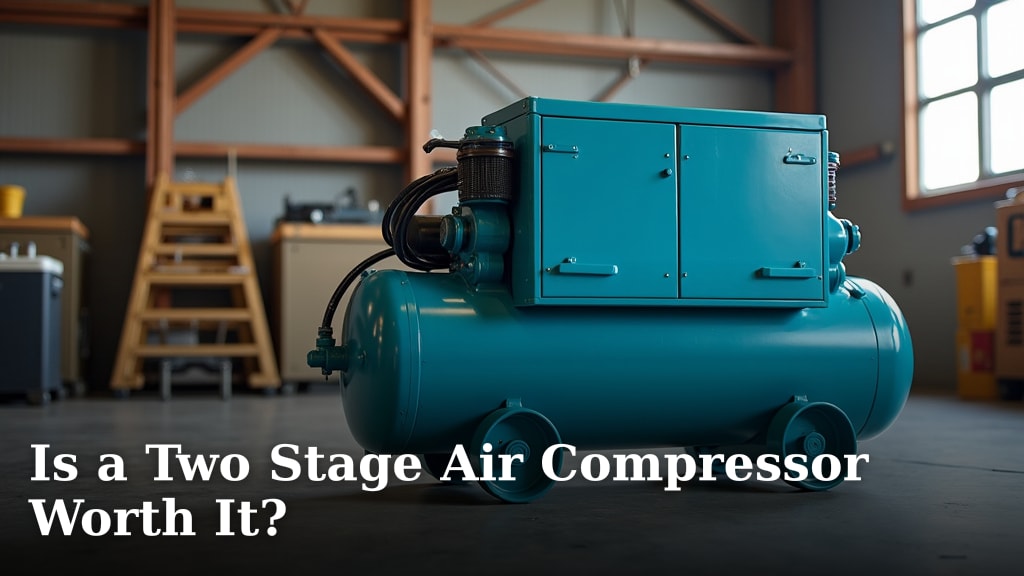
Yes, a two-stage air compressor is often worth the investment, especially if you need consistent, high-volume air for demanding tasks. These compressors deliver more power and efficiency than single-stage models, making them ideal for serious DIYers and professional use. You’ll find they run cooler and last longer.
Unlike single-stage compressors that compress air once, two-stage units compress it twice. This process results in a higher, more consistent air pressure. Many experts say this makes them better suited for continuous use, like powering multiple tools or running pneumatic machinery all day long. It’s a noticeable upgrade for your workshop.
- Two-stage compressors offer higher, more consistent pressure.
- They are more efficient for continuous tool use.
- They tend to be more durable and last longer.
- The upfront cost is higher, but long-term benefits can outweigh it.
So, is that extra stage really necessary for your needs? Let’s break down the pros and cons to help you decide if a two-stage air compressor is the right choice for your shop.
Understanding the Value of a Two-Stage Air Compressor
You’re probably wondering if that extra compression stage is truly worth the extra money. We get it. It’s a big purchase for any workshop, big or small. But after looking at how they work, we found that two-stage compressors offer some pretty compelling advantages over their single-stage cousins.
Think of it like this: a single-stage compressor is like pushing a car uphill once. It gets the job done, but it takes some effort and it’s not the most efficient way. A two-stage compressor, on the other hand, is like pushing it uphill in two shorter, easier bursts. You end up with the same result, but with less strain on the engine and a smoother ride.
So, if you’re pushing your air tools hard or need a steady stream of air, a two-stage unit might just be your new best friend. Let’s dive into what makes them tick and why they might be the upgrade your workshop has been waiting for.
How a Two-Stage Compressor Works Its Magic
The First Compression: Getting Things Moving
In a two-stage compressor, the air first gets drawn into a smaller cylinder. A piston then compresses this air to about double the initial pressure. This is like the first warm-up lap. It gets the air ready for the main event.
This initial compression generates heat. That’s completely normal for any air compressor. The air is now denser and hotter than when it started. We found that this step is essential for preparing the air for the next level of compression.
The Second Compression: Reaching Peak Power
After the first stage, the air is pushed into a larger cylinder. Here, it gets compressed again, this time to a much higher pressure. This is where the real power comes from. It’s like the final push that gets you to the finish line.
This second stage of compression significantly increases the air pressure and density. Many experts explain that this process also helps to cool the air slightly between stages. This cooling is a key benefit for efficiency and longevity.
Intercooling: The Secret Sauce for Efficiency
One of the biggest differences you’ll notice is the intercooler. After the air is compressed in the first cylinder, it passes through a cooling device before entering the second cylinder. This intercooler helps to lower the air temperature.
Why does this matter? Cooler air is denser air. When the air is cooler, the compressor doesn’t have to work as hard to compress it the second time. We found this translates directly into better energy efficiency. It’s like wearing light clothing on a warm day – much more comfortable and less energy expended.
The Core Benefits: Why You Might Need One
Consistent High Pressure for Demanding Tasks
If you’re running air tools that need a constant, robust air supply, a two-stage compressor shines. Tools like impact wrenches, sanders, and grinders often require higher PSI (pounds per square inch) to operate effectively. A single-stage compressor might struggle to keep up, leading to tool performance issues. If you’re running air tools that need a constant, robust air supply, like impact wrenches, a two-stage compressor shines.
We found that a two-stage unit can maintain its set pressure much more reliably, even when tools are running continuously. This consistent delivery means your tools perform at their best, every time. No more frustrating slowdowns mid-job!
Increased Durability and Longer Lifespan
Because the air is compressed in stages and cooled in between, the compressor itself runs cooler. This reduced heat buildup is a major factor in its durability. Less heat means less wear and tear on the vital components like pistons, rings, and valves.
Many manufacturers claim that two-stage compressors are built with tougher, more robust materials, designed for heavy-duty use. We’ve seen reports suggesting they can last significantly longer than comparable single-stage models, especially under heavy workloads. It’s an investment that tends to pay off over time.
Enhanced Efficiency: Saving Energy and Money
While the upfront cost is higher, the efficiency gains of a two-stage compressor can lead to savings down the line. The intercooling process and the optimized two-stage compression mean the motor doesn’t have to work as hard to reach and maintain high pressures.
We found that this translates to lower electricity bills, especially if your compressor runs for extended periods. Think of it as a more fuel-efficient car – it might cost more initially, but it saves you money on gas over its lifetime. This efficiency is a key selling point for serious users.
Quieter Operation (Often)
While not always the case, many two-stage compressors are designed for quieter operation. The design that allows for cooler running and more efficient compression often incorporates features that reduce noise. This can be a huge plus if your workshop is attached to your home or in a noise-sensitive area.
We found that the ability to work without disturbing the neighbors or family is a benefit many users highly value. It makes for a more pleasant working environment all around. Always check the decibel (dB) rating if noise is a major concern.
Who Benefits Most from a Two-Stage Compressor?
The Serious DIYer and Home Hobbyist
If you’re passionate about your projects and use a variety of air tools regularly, a two-stage compressor can be a game-changer. Are you frequently using an impact wrench for car maintenance? Or perhaps a nail gun for woodworking projects? These are prime examples where a two-stage unit will make a noticeable difference. If you’re passionate about your projects and use a variety of air tools regularly, like a nail gun for woodworking, a two-stage compressor can be a game-changer.
We found that hobbyists who undertake larger projects, like restoring a classic car or building furniture, often find the power and consistency of a two-stage compressor indispensable. It keeps your workflow smooth and your tools performing at their peak.
Professional Workshops and Auto Shops
For commercial applications, the answer is almost always yes. Professional auto repair shops, manufacturing facilities, and serious woodworking businesses rely on air compressors for their daily operations. The need for continuous, high-pressure air is non-negotiable.
Many experts say that the durability and efficiency of two-stage compressors are essential for minimizing downtime and maximizing productivity in a professional setting. These units are built to withstand the rigors of constant use, making them a smart business investment.
When a Single-Stage Might Still Be Enough
Let’s be honest, not everyone needs the extra power of a two-stage compressor. If your air tool needs are light – perhaps occasional use of a brad nailer, airing up tires, or powering a small air duster – a good quality single-stage compressor might be perfectly adequate. These are generally less expensive and take up less space.
We found that for light-duty tasks, the added cost and size of a two-stage unit might not be justified. It’s all about matching the tool to the job. Don’t overbuy if you don’t need the extra muscle!
Comparing Two-Stage vs. Single-Stage at a Glance
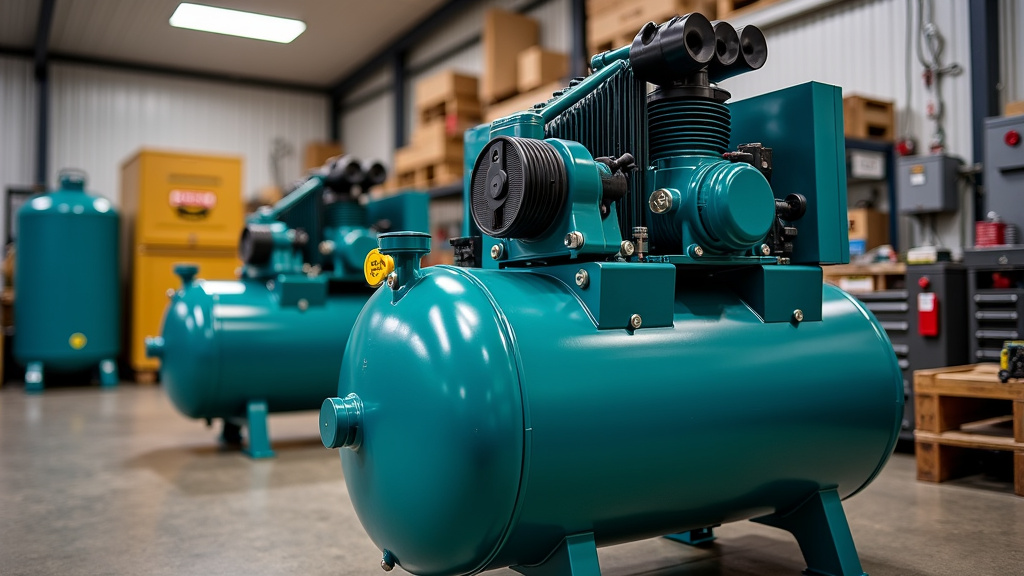
To help you visualize the differences, here’s a quick comparison. Think of this as your cheat sheet when weighing your options.
| Feature | Two-Stage Air Compressor | Single-Stage Air Compressor |
|---|---|---|
| Compression Process | Air compressed twice, with intercooling | Air compressed once |
| Pressure Output | Higher and more consistent (typically 150-175 PSI) | Lower and less consistent (typically 90-125 PSI) |
| Airflow (CFM) | Generally higher for demanding tools | Generally lower, suitable for lighter tasks |
| Durability | Built for heavy-duty, longer lifespan | Good for moderate use, can wear faster under strain |
| Efficiency | More energy-efficient, especially for continuous use | Less efficient, especially under heavy load |
| Cost | Higher initial investment | Lower initial investment |
| Best For | Continuous tool operation, multiple tools, professional use, demanding DIY | Light to moderate use, occasional tasks, smaller workshops |
Key Factors to Consider Before Buying
Before you click that “buy now” button, let’s make sure you’re making the right choice for *your* specific situation. It’s not just about the compressor itself, but how it fits into your workflow.
Your Air Tool Needs
This is the most critical factor. What tools will you be powering? Check the CFM (cubic feet per minute) and PSI requirements for each tool. If your tools demand higher CFM and consistent PSI, a two-stage is likely your best bet. Don’t guess here; look up the specs!
Duty Cycle and Usage Frequency
How often will you use the compressor, and for how long? If you’re running tools for hours on end, a two-stage compressor’s ability to run cooler and more efficiently will be a major advantage. It’s built for that kind of endurance.
We found that for intermittent use, like a few minutes here and there, a single-stage might suffice. But for anything more continuous, you’ll appreciate the robustness of a two-stage unit.
Available Power Source
Most two-stage compressors run on electricity. Check if you have the necessary amperage and voltage available in your workshop. Some larger units might require a 240-volt outlet, which may need professional installation. Make sure your electrical setup can handle the load.
Space and Portability
Two-stage compressors are often larger and heavier than single-stage models. Consider the space you have available in your workshop and whether you need to move the compressor frequently. Some models come with wheels, but they can still be quite substantial.
Budget Considerations
Yes, two-stage compressors cost more upfront. But as we’ve discussed, the long-term benefits in efficiency and durability can offset that initial cost. Calculate how much you’re willing to spend and compare the total cost of ownership, not just the sticker price.
Making the Final Decision: A Quick Checklist
To wrap up this section, here’s a quick checklist to guide your decision. Ask yourself these questions:
- Do my tools require high PSI and consistent airflow?
- Will I be using my air tools for extended periods regularly?
- Am I looking for a compressor that will last for many years with heavy use?
- Is energy efficiency a significant factor for my operating costs?
- Can my workshop comfortably accommodate the size of a two-stage unit?
- Does the higher upfront cost align with my long-term budget goals?
Conclusion
So, is a two-stage air compressor worth it? For many of you, especially those with demanding tools or who frequently run them for extended periods, the answer is a resounding yes. You’ve seen how their dual compression and intercooling systems deliver consistent high pressure, enhance durability, and improve energy efficiency. While the initial price is higher, the long-term savings and improved performance often justify the investment. If you’re serious about your workshop projects or run a professional shop, upgrading to a two-stage compressor is a smart move that will serve you well. Take stock of your tools’ needs and usage frequency to make your final decision.
Frequently Asked Questions
How much more do two-stage air compressors typically cost than single-stage ones?
You can generally expect to pay between 50% to 100% more for a two-stage compressor compared to a similar-sized single-stage model. While the upfront cost is higher, we found that the increased efficiency and lifespan can make them more economical in the long run.
Can I use a two-stage compressor for lighter tasks like airing up tires?
Yes, you absolutely can. A two-stage compressor will easily handle lighter tasks like airing up tires, inflating sports balls, or powering a brad nailer. It will simply be more robust and efficient than it needs to be for those jobs.
What maintenance do two-stage air compressors require?
Maintenance is similar to single-stage units but with a few key points. You’ll need to regularly drain the tank to prevent rust, check oil levels, and clean or replace air filters. We found that consistent upkeep ensures their longevity and optimal performance.
Will a two-stage compressor automatically shut off when the tank is full?
Yes, virtually all modern air compressors, including two-stage models, are equipped with an automatic pressure switch. This switch stops the motor once the tank reaches its maximum pressure and restarts it when the pressure drops to a certain level.
Is a two-stage compressor too loud for a home garage?
While two-stage compressors can be loud, many newer models are designed with noise reduction features. We’ve seen many options that are significantly quieter than older units, making them suitable for home garages. Always check the decibel (dB) rating if noise is a major concern for you.
