
What Is the Difference Between Single Stage and Two Stage Air Compressor?
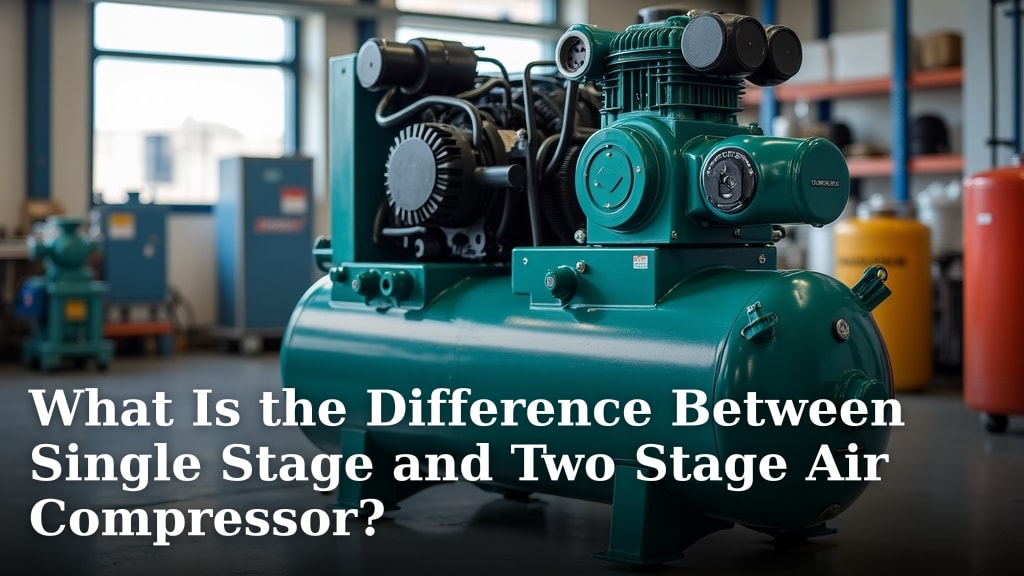
The main difference between a single stage and two stage air compressor is how they achieve pressure. A single-stage compressor compresses air once, while a two-stage compressor compresses air twice for higher pressure output. We found that two-stage compressors are generally more efficient for heavy-duty tasks.
When you’re choosing an air compressor, understanding these differences is super important for your projects. You want the right tool for the job, right? We’ve researched and found that the choice often comes down to your specific pressure needs and how often you’ll use it.
- Single stage compressors compress air once.
- Two stage compressors compress air twice.
- Two-stage compressors deliver higher pressure.
- Single-stage units are often better for lighter tasks.
- Efficiency and application often drive the choice.
Let’s walk through exactly how these air compressors work and help you decide which one is best for your workshop or job site.
Understanding Air Compressor Operation: Single Stage vs. Two Stage
The core difference between these two compressor types lies in their compression cycles. A single-stage unit compresses air once. A two-stage unit compresses air twice. This fundamental difference impacts their performance and suitability for various tasks.
When you’re trying to figure out which one is right for your needs, thinking about how they actually work can really help. We’ll break down the mechanics, so you can see why one might be a better fit than the other.
How a Single-Stage Air Compressor Works
Imagine a simple pump. That’s essentially what a single-stage air compressor does. Air enters a single cylinder. A piston then moves up, compressing that air to its final pressure. It then sends this compressed air into the storage tank.
This process is straightforward and efficient for many tasks. Think of it like taking a single deep breath and holding it. It’s quick and gets the job done for lighter applications. We found that these units are often simpler in design, which can translate to easier maintenance.
Applications for Single-Stage Compressors
Single-stage compressors are your go-to for tasks that don’t need a constant, high-pressure air supply. They’re excellent for hobbies and light workshop use. We often see them used for things like:
- Inflating tires
- Running nail guns for framing or trim work
- Operating basic airbrushes
- Light duty automotive work, like changing spark plugs
- Small woodworking projects
They provide enough power for these jobs without overcomplicating things. If you’re not running demanding tools for long periods, a single-stage unit is probably all you need. You’ll find them in many home garages and small shops.
How a Two-Stage Air Compressor Works
Now, let’s talk about the two-stage process. This is where things get a bit more powerful. Air first enters a larger cylinder. A piston compresses it to an intermediate pressure. This partially compressed air then moves to a smaller, second cylinder.
In the second cylinder, another piston compresses the air even further. This final compression brings the air to a much higher pressure. It’s like taking two breaths – one to get some air, and another to really fill your lungs. This method allows for higher PSI output and cooler operation (Compressed Air and Gas Institute).
Benefits of Two-Stage Compression
The main advantage here is efficiency and power. By compressing air in two stages, the compressor doesn’t have to work as hard to reach high pressures. This can lead to less heat buildup and longer component life.
- Higher PSI: You get more pressure for demanding tools.
- Increased Efficiency: They often run cooler, which saves energy.
- Greater Durability: Less strain on parts means they last longer.
- Continuous Use: Better for applications requiring sustained airflow.
Many experts point out that for professional settings, the long-term benefits often outweigh the initial cost. They’re built for the long haul.
Applications for Two-Stage Compressors
When your projects demand serious power and continuous use, a two-stage compressor steps up. These are the workhorses of professional workshops and industrial settings. We found them ideal for:
- Automotive repair shops, running impact wrenches and paint sprayers
- Heavy-duty sanding and grinding tools
- Plasma cutters
- Industrial applications that require consistent high pressure
- Large construction projects
If your tools list “high CFM” (Cubic Feet per Minute) as a requirement, you’re likely looking at a two-stage unit. They’re designed to keep up with demanding jobs, day in and day out.
Comparing Key Characteristics: Single Stage vs. Two Stage
Let’s put them side-by-side. When you’re making your decision, you’ll want to think about cost, lifespan, noise, and maintenance. These factors can really sway your choice based on your specific needs and budget. We’ve done the research to help you weigh these points carefully.
Performance and Efficiency
When it comes to raw power, the two-stage compressor generally wins. It delivers higher PSI and more consistent airflow (CFM) at higher pressures. This means your high-demand tools will run more effectively.
However, for simpler tasks, a single-stage unit is perfectly efficient. Why buy a race car if you just need to drive to the grocery store? We found that matching the compressor’s performance to your tool’s requirements is crucial for overall efficiency and avoiding wasted energy.
Cost and Investment
Here’s a big one: price. Single-stage compressors are typically less expensive to buy upfront. Their simpler design means fewer complex parts and manufacturing costs.
Two-stage compressors, on the other hand, are a larger initial investment. But remember, they often offer better durability and efficiency over time. If you plan to use it heavily, that higher upfront cost might pay for itself in the long run through lower operating costs and longer life.
Noise Levels and Heat Generation
Generally, single-stage compressors tend to be a bit noisier for their output, especially when working hard. Two-stage compressors, because they work in stages, can sometimes operate a little cooler. This reduced heat generation is a sign of efficiency and can contribute to longevity.
The noise factor can be important if you’re working in a residential area or a shared workshop. Always check decibel ratings when comparing models. Nobody wants a headache after a long day of work, right?
Lifespan and Maintenance
Because two-stage compressors distribute the workload over two cylinders and often run cooler, they tend to have a longer operational lifespan, especially under heavy use. This doesn’t mean single-stage units are fragile, but they’re not built for continuous industrial duty.
Maintenance for both types involves routine checks, oil changes (if oil-lubricated), and filter replacements. However, the more complex design of a two-stage compressor might mean more specialized parts if repairs are needed. We found that sticking to the manufacturer’s maintenance schedule is key for both types (Occupational Safety and Health Administration).
Making Your Choice: A Quick Guide
So, how do you decide? It really comes down to your needs. Are you a weekend warrior, or are you running a busy shop? Thinking about your tools, your budget, and how often you’ll be using the compressor will steer you in the right direction.
Consider Your Air Tool Requirements
This is probably the most important factor. Every air tool has a “CFM at PSI” rating. This tells you how much air pressure and volume it needs to operate properly. We suggest grabbing your most demanding tool and checking its requirements. Don’t undersize your compressor!
| Feature | Single-Stage Compressor | Two-Stage Compressor |
|---|---|---|
| Compression Cycles | One (single cylinder) | Two (two cylinders) |
| Max PSI Output | ~135 PSI or less | ~175 PSI or more |
| Best For | Light-duty, intermittent use | Heavy-duty, continuous use |
| Typical CFM Range | Lower CFM (e.g., 3-7 CFM @ 90 PSI) | Higher CFM (e.g., 8-20+ CFM @ 90 PSI) |
| Cost | Lower initial cost | Higher initial cost |
| Heat Generation | Can run hotter under load | Runs cooler, more efficient |
| Lifespan (under heavy use) | Shorter | Longer |
This table gives you a quick visual comparison to help you understand where each type shines. You can clearly see how their specs align with different workloads.
Your Compressor Checklist
Before you hit that “buy” button, run through this quick checklist. It will help confirm you’re making the best decision for your workshop or job site.
- Will I be using it for light tasks like inflating tires or trim nailing?
- Do my tools require high CFM and consistent pressure for continuous operation?
- What is my budget for the initial purchase?
- How important is durability and a long lifespan for my usage?
- Is noise level a concern where I’ll be using the compressor?
- Do I need a portable unit, or will it stay in one place?
Answering these questions will quickly narrow down your options. You want to feel confident in your purchase, knowing it’s the right tool for your specific needs.
Conclusion
Choosing between a single stage and two stage air compressor boils down to understanding your specific needs. You’ve learned that single-stage units are great for lighter, intermittent tasks, offering a cost-effective solution. Two-stage compressors, while a bigger investment, excel in demanding, continuous applications, providing higher pressure and greater longevity. We found that matching the compressor to your tool requirements and expected usage ensures optimal performance and efficiency. So, evaluate your projects and tool demands carefully to make the best choice for your workshop or job site.
Frequently Asked Questions
Can I use a single-stage compressor for light automotive work?
Yes, absolutely. A single-stage compressor is perfectly suitable for light automotive tasks like tire inflation, using a low-torque impact wrench for lug nuts, or even operating a small paint sprayer for touch-ups. Just check the CFM requirements of your specific tools.
Do two-stage compressors always use oil?
Most heavy-duty, two-stage air compressors are oil-lubricated. This helps them run cooler and extends their lifespan. However, there are some oil-free two-stage models available, though they are less common and typically more expensive.
What does “CFM at 90 PSI” mean, and why is it important?
CFM (Cubic Feet per Minute) at 90 PSI tells you how much air volume the compressor can deliver at a sustained pressure of 90 pounds per square inch. This is a critical spec because most air tools list their operating requirements at 90 PSI. You need a compressor that can meet or exceed your tool’s CFM at that pressure.
Is it worth buying a two-stage compressor if I only have a few air tools?
If your current air tools are light-duty and you don’t plan on expanding to more demanding tools, a two-stage compressor might be overkill. We found that a single-stage unit would likely suffice and save you money upfront. However, if you anticipate future growth in your tool collection, a two-stage might be a better long-term investment.
How can I make my air compressor last longer?
Regular maintenance is key for both types of compressors. This includes checking and changing the oil (for oil-lubricated models), draining moisture from the tank to prevent rust, cleaning air filters, and inspecting for leaks. Following the manufacturer’s recommended service schedule will significantly extend your compressor’s life.
