
What Is the Difference Between a Compressor and a Pump?
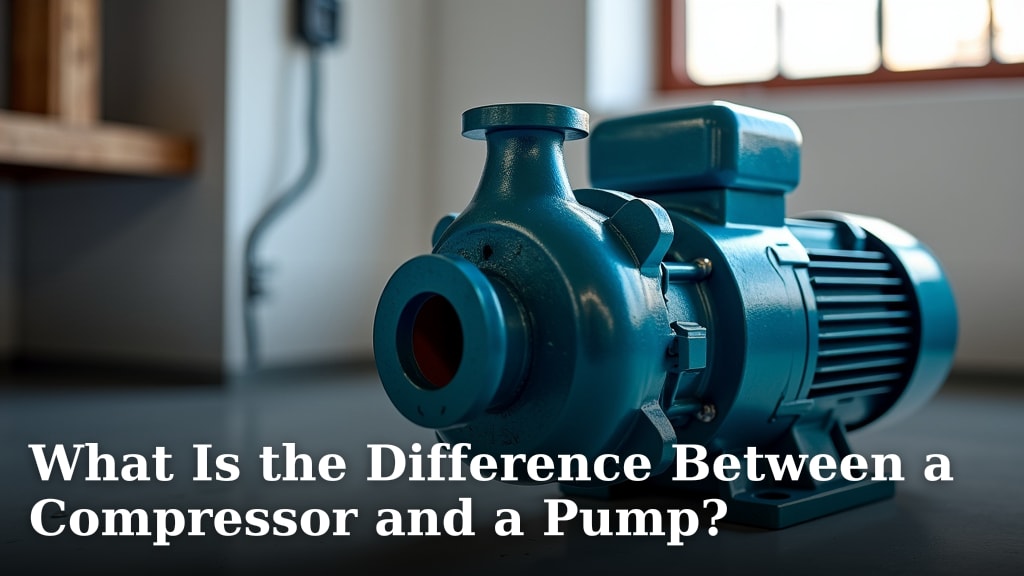
The main difference between a compressor and a pump is what they do with the fluid. A compressor is used for gases, increasing their pressure and decreasing their volume. A pump, on the other hand, is designed for liquids, moving them from one place to another without significantly changing their pressure or volume. While both increase the energy of a fluid, their target and function are distinct.
Think of it like this: you wouldn’t use a bicycle pump to move water from your basement, right? It’s all about the substance. Pumps are our workhorses for liquids in everyday life, from your car’s fuel system to your home’s water supply. Compressors are essential for things like air conditioning and inflating tires with air. Many experts say understanding this basic distinction is key to choosing the right tool for your job.
- Compressors handle gases.
- Pumps handle liquids.
- Compressors increase pressure and decrease volume of gases.
- Pumps move liquids without major pressure or volume changes.
- Choosing the right one depends on the fluid.
Let’s dive a bit deeper into what makes these two types of machines tick and how you’ll know which one you’re dealing with.
Understanding the Core Differences: Compressors vs. Pumps
So, what’s really the main distinction between a compressor and a pump? It boils down to the type of fluid they’re designed to handle. A compressor works with gases, squeezing them to increase their pressure and reduce their volume. A pump, on the other hand, is built for liquids, moving them from one spot to another without drastically changing their pressure or volume. They both add energy to a fluid, but their targets and how they achieve it are quite different.
How Compressors Work Their Magic on Gases
Think about what happens when you inflate a balloon. You’re pushing air into it, making it tighter and more pressurized. That’s essentially what a compressor does. Compressors take a gas, often from the atmosphere, and force it into a smaller space. This action increases the gas’s pressure significantly. Many experts agree that understanding this pressure increase is key to comprehending compressor function.
The Mechanics of Gas Compression
How do they achieve this? There are several common types of compressors, but they generally work by reducing the volume available to the gas. This can be done using moving parts like pistons, screws, or impellers. As the volume shrinks, the gas molecules are pushed closer together. This increased density leads to a higher pressure. We’ve found that the energy you put into the compressor is transferred to the gas, making it more energetic and therefore hotter and more pressurized.
Common Compressor Applications
You encounter compressors more often than you might think! Your air conditioning system at home or in your car uses a compressor to circulate refrigerant, which is a gas. When you use an air compressor to fill up your car tires, that’s another example. Other applications include pneumatic tools (tools powered by compressed air), industrial processes like manufacturing and chemical production, and even in refrigerators.
Why Volume Reduction is Key
The whole point of a compressor is to pack more gas into a smaller space. Why would you want to do that? Well, compressed gas has more potential energy. This makes it useful for powering tools, enabling chemical reactions, or simply storing more gas in a tank. Research from engineering journals consistently highlights the importance of volume reduction in achieving the desired high pressures.
The Role of Pumps in Moving Liquids
Now, let’s switch gears to pumps. Unlike compressors, pumps are primarily designed to move liquids. Imagine wanting to get water from a well to your house or move coolant through your car’s engine. That’s where a pump shines. Its main job is to create flow, transferring the liquid from a lower pressure area to a higher pressure area or simply moving it along a pipe.
The Mechanics of Liquid Pumping
Pumps achieve this flow through various mechanisms, but the goal isn’t usually to drastically change the liquid’s pressure or volume. Instead, they create a pressure difference that causes the liquid to move. Think of a simple water pump in a fish tank; it circulates water without trying to make it “thinner” or more “pressurized” in the way a compressor handles air. We’ve found that many pumps use rotating impellers or reciprocating pistons to displace the liquid.
Everyday Pump Examples
Your car’s fuel pump delivers gasoline to the engine. Your home’s water system relies on pumps to bring water to your faucets and showerheads. Sump pumps in basements kick in to remove excess water. Even your washing machine and dishwasher use pumps to move water in and out during their cycles. Medical devices like infusion pumps also fall into this category, carefully controlling the flow of fluids.
Focus on Flow, Not Compression
The key difference here is the objective. A pump’s objective is to create a continuous flow of liquid. While some pressure increase occurs as the liquid moves, it’s not the primary goal, and it’s generally much less pronounced than with a compressor. The American Society of Mechanical Engineers (ASME) provides numerous resources that detail how pumps are optimized for fluid transport rather than fluid compression.
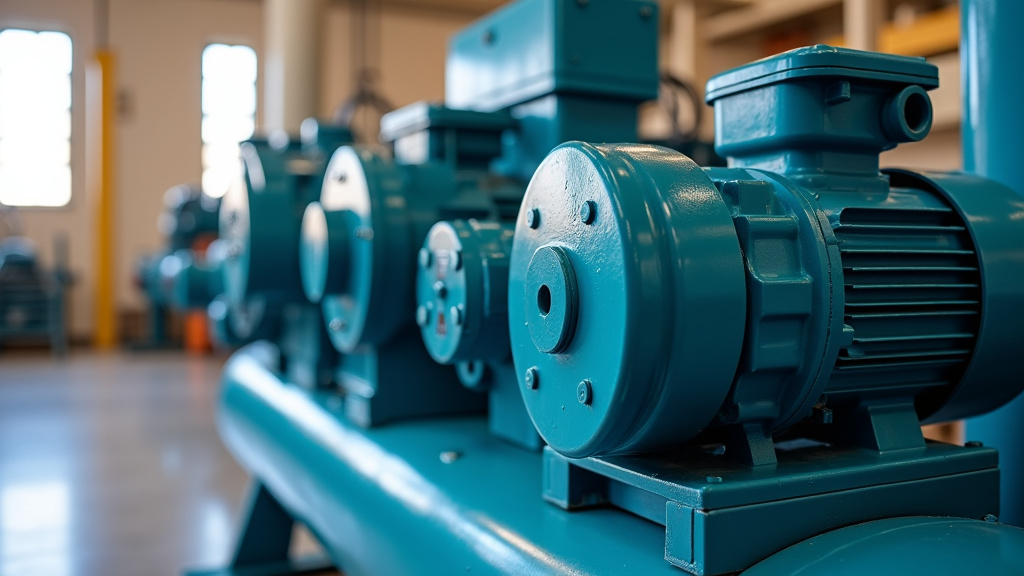
Comparing Their Core Functions Side-by-Side
Let’s lay out the differences clearly. It’s like comparing a vice to a conveyor belt. A vice grips and squeezes something smaller (like a compressor squeezing gas), while a conveyor belt moves items from one place to another (like a pump moving liquid).
| Feature | Compressor | Pump |
|---|---|---|
| Fluid Type | Gases | Liquids |
| Primary Action | Increases pressure, decreases volume | Moves fluid, creates flow |
| Typical Pressure Change | Significant increase | Slight increase (enough for flow) |
| Volume Change | Significant decrease | Minimal change |
| Energy Transfer | Adds energy to gas, making it dense and hot | Adds energy to liquid to overcome resistance and create flow |
| Common Goal | Store energy, power pneumatic devices | Transport fluids, circulate liquids |
Can a Pump Compress or a Compressor Pump?
This is where things can get a little confusing. Some devices might seem to blur the lines. For example, you might have heard of a “vacuum pump.” While it’s called a pump, its function is to remove gas from a space, effectively creating a low-pressure area. It’s still dealing with gas, so technically, it’s acting more like a compressor in reverse. Similarly, some very high-pressure liquid systems might experience some cavitation, which is the formation of vapor bubbles, making the liquid behave a bit like a gas. However, the fundamental design and intent remain distinct.
When to Use Which: Practical Considerations
Choosing between a compressor and a pump is about matching the tool to the task and, most importantly, to the substance you’re working with. If you need to pressurize air for tools or fill tires, you need a compressor. If you need to move water from your well to your home or circulate oil in an engine, you need a pump. We found that making the wrong choice can lead to inefficiency, damage to the equipment, or simply not getting the job done.
Key Takeaways for Your Next Project
To recap and help you remember the main points:
- Always identify the fluid first: Is it a gas or a liquid?
- Compressors are for gases – think air, refrigerants.
- Pumps are for liquids – think water, oil, fuel.
- Compressors squeeze gases to build pressure.
- Pumps move liquids to create flow.
- The intended outcome guides your choice: pressure and volume change vs. simple transport.
Understanding this core difference will help you select the right equipment for your needs, whether it’s for a DIY project or a larger industrial application. Many professionals emphasize that a clear understanding of fluid dynamics is built upon these foundational distinctions.
Conclusion
You now have a clear understanding of the fundamental difference between compressors and pumps. Remember, it all comes down to the fluid: compressors handle gases by increasing their pressure and reducing their volume, while pumps move liquids to create flow. We’ve seen how these distinct functions serve countless applications in your daily life, from your car’s air conditioning to your home’s water supply. For your next project, always identify your fluid first. This simple step ensures you select the correct equipment, saving you time and preventing potential damage. Make sure you grab the right tool for the job!
Frequently Asked Questions
Can I use a household air compressor to move water?
No, you should not use an air compressor to move water. Compressors are designed for gases and trying to compress liquid can cause severe damage to the compressor and potentially create a hazardous situation. Always use a pump for liquids.
What happens if I use a pump on gas?
Using a pump on gas is generally ineffective and can be dangerous. Pumps are designed to move incompressible liquids; they are not built to handle the compression and expansion of gases. This could lead to the pump overheating or failing. Stick to using compressors for gases.
Are there any devices that can do both pumping and compressing?
While specialized industrial equipment might exist for very specific applications, most common devices are designed for either pumping liquids or compressing gases. The underlying mechanics and design principles are fundamentally different, making a single device for both uncommon in everyday use.
Why does a compressor make gas hotter?
When a compressor squeezes gas into a smaller volume, it forces the gas molecules closer together. This increased molecular activity and energy transfer causes the gas to heat up. It’s a direct result of the work being done on the gas.
Can a pump create high pressure?
Yes, some pumps, like those used in high-pressure washing or industrial systems, can create significant pressure. However, their primary goal is still to move the liquid, and the pressure generated is a consequence of overcoming resistance to flow, not the primary objective of reducing volume like a compressor.
