
How To Use Blue Hawk Air Compressor?
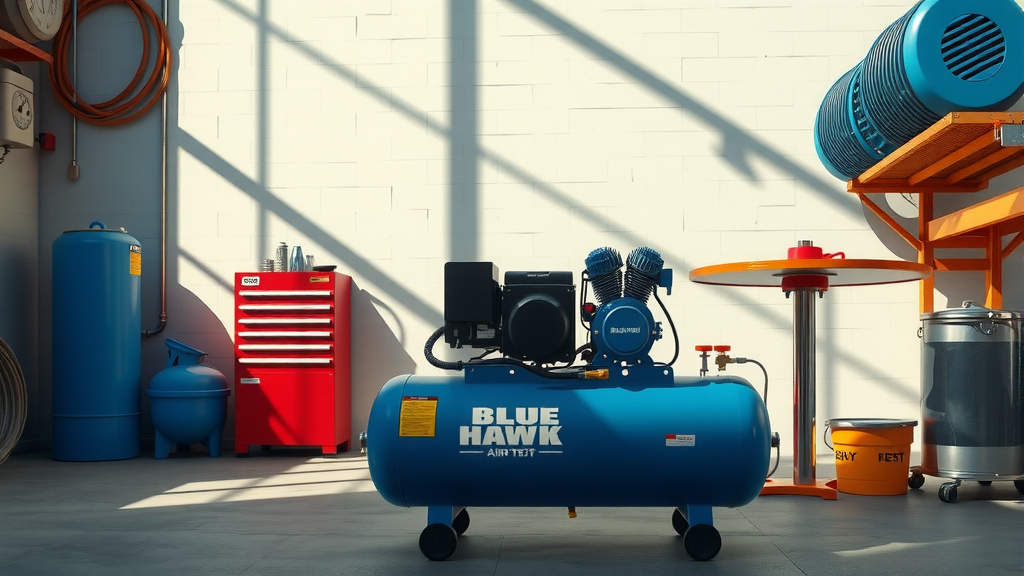
To use a Blue Hawk Air Compressor, first connect it to a grounded power outlet and attach your air tool to the quick-connect coupler. Then, adjust the pressure regulator to your tool’s required PSI before starting the compressor.
Always ensure proper ventilation and wear safety gear like eye and hearing protection when operating your Blue Hawk Air Compressor for any task.
TL;DR
- Before anything, read your owner’s manual for specific Blue Hawk model details.
- Always perform a quick pre-operation check to ensure safe use.
- Connect your air tools, set the correct pressure, then power on the unit.
- Remember to drain condensation from the tank after each use for longevity.
- Prioritize safety: always wear personal protection and work in a ventilated area.
How To Use Blue Hawk Air Compressor?
Using your Blue Hawk air compressor involves a few simple steps, from initial setup to safely operating your chosen air tool. We will guide you through each stage to ensure you get the most from your equipment.
Getting Started: Your First Steps
When you first get your Blue Hawk compressor, unpacking it is just the beginning. The most important step is always to read your owner’s manual. Each model can have unique features or safety warnings, and the manual is your best guide (manufacturer guidelines).
Choosing the Right Spot
Where you place your compressor matters a lot. You want a flat, stable surface to prevent tipping. Make sure the area is well-ventilated, especially if you are working indoors. Air compressors generate heat, and good airflow prevents overheating.
Checking the Oil (If Applicable)
Some Blue Hawk models are oil-lubricated. If yours is, you’ll need to check the oil level before starting. We found that low oil can damage the pump, so always ensure it’s within the recommended range. You might even need to add oil from the start.
Connecting to Power
Your air compressor needs proper power. Always plug it into a grounded electrical outlet that matches the compressor’s voltage requirements. Avoid using extension cords unless absolutely necessary, and if you do, ensure it’s a heavy-duty, outdoor-rated cord that can handle the current.
Attaching Air Hoses and Tools
This is where the fun begins. First, connect your air hose to the compressor’s air outlet. Many Blue Hawk models use a quick-connect coupler, which makes attachment simple. Just push the collar back, insert the fitting, and release the collar.
Selecting Your Air Tool
What job are you tackling? Inflating tires, using a nail gun, or blowing dust? Each tool has different air requirements. Make sure your tool is rated for the pressure and airflow your compressor provides. A mismatch can lead to poor performance or even damage.
Setting the Air Pressure (PSI)
Before you power on, look at your air tool’s specifications. It will tell you the recommended operating pressure, usually in PSI (pounds per square inch). Adjust the regulator knob on your compressor to match this setting. Always check the gauge.
Powering On and Building Pressure
Once everything is connected and the pressure is set, you can turn on the compressor. You will hear it start to fill the tank with air. The motor will run until it reaches its maximum pressure, then it will shut off automatically. This is normal.
Safety First: Always Protect Yourself
Operating an air compressor can be noisy and potentially hazardous. We strongly recommend wearing hearing protection to guard against loud noises and safety glasses to protect your eyes from debris (OSHA guidelines). Gloves can also be helpful.
Operating Your Blue Hawk Compressor: A Quick Checklist
- Read the Manual: Understand your specific model’s operation.
- Ventilate Area: Ensure good airflow to prevent overheating.
- Check Oil (If applicable): Verify oil level is correct.
- Secure Connections: Make sure hose and tool are firmly attached.
- Set PSI: Adjust regulator to tool’s recommended pressure.
- Wear PPE: Don your safety glasses and hearing protection.
Understanding Pressure Gauges
Your Blue Hawk compressor likely has two gauges. One shows the tank pressure, which is the total air stored. The other shows the regulated pressure, which is the air going to your tool. Keep an eye on both, especially the regulated one, for consistent performance.
Common Uses and Their Pressure Needs
Different tasks demand different pressures. Here’s a quick reference, though always check your specific tool’s manual:
| Common Task | Approximate PSI Range | Notes |
|---|---|---|
| Inflating Tires | 20-40 PSI | Check tire sidewall for exact PSI |
| Brad/Finish Nailer | 70-100 PSI | For light carpentry, trim work |
| Staple Gun | 70-100 PSI | Used for upholstery or light framing |
| Blowing Dust/Cleaning | 30-50 PSI | Use short bursts, wear eye protection |
| Spray Painting (HVLP) | 20-30 PSI | Requires consistent, clean air output |
When the Job is Done: Shutting Down Safely
Once you finish your task, turn off the compressor. Disconnect your air tool and then slowly release any remaining air pressure from the hose. It’s always best to depressurize the system before storing it.
Draining the Tank
This is a critical step for compressor longevity. The air in the tank contains moisture, which can condense into water and lead to rust. After every use, open the drain valve at the bottom of the tank to release any collected water. Many experts say this simple habit greatly extends the life of your compressor.
Storing Your Compressor
Store your Blue Hawk compressor in a dry, clean place. If it’s an oil-lubricated model, ensure it remains upright. Protect it from extreme temperatures. Proper storage keeps your unit ready for its next job.
Conclusion
Using your Blue Hawk air compressor effectively is about more than just plugging it in. By following these straightforward steps—from reading the manual and ensuring proper setup to prioritizing safety and performing post-use maintenance—you’ll keep your compressor running smoothly. Remember, a little care goes a long way in ensuring your projects are completed safely and efficiently. We found that understanding these basic operations empowers you to tackle various tasks with confidence.
Can I use a Blue Hawk air compressor for spray painting?
Yes, you can use many Blue Hawk air compressors for spray painting, especially for smaller projects or HVLP (High Volume Low Pressure) guns. However, you might need an in-line air filter or dryer to ensure the air is clean and moisture-free, which is crucial for a smooth paint finish.
How often should I drain the air tank on my Blue Hawk compressor?
You should drain the air tank on your Blue Hawk compressor after every single use. Condensed moisture can cause rust and degrade the tank over time. This quick habit helps maintain the compressor’s performance and extends its lifespan.
What kind of extension cord can I use with my Blue Hawk air compressor?
If an extension cord is absolutely necessary, you must use a heavy-duty, grounded extension cord that is rated for outdoor use and can handle the compressor’s amperage requirements. Using an undersized cord can cause voltage drops, overheating, and potential damage to the motor. Always check your compressor’s manual for specific recommendations.
Why does my Blue Hawk air compressor keep cycling on and off?
If your Blue Hawk air compressor cycles on and off frequently, it could be due to a few reasons. A small air leak in the hose or fittings might be causing pressure loss, or the pressure switch could be set too sensitively. It’s also possible the tank is not holding pressure effectively, or the check valve is faulty. Check for leaks first, then consult your manual.
Is it normal for my Blue Hawk air compressor to get hot during operation?
Yes, it is normal for your Blue Hawk air compressor to get warm or even hot during extended operation. The motor and pump generate heat as they work to compress air. As we’ve learned, ensuring proper ventilation around the compressor is important to prevent overheating and maintain efficient operation. If it gets excessively hot or smells like burning, shut it off and investigate.
