
What to Do If Air Compressor Keeps Blowing Fuse?
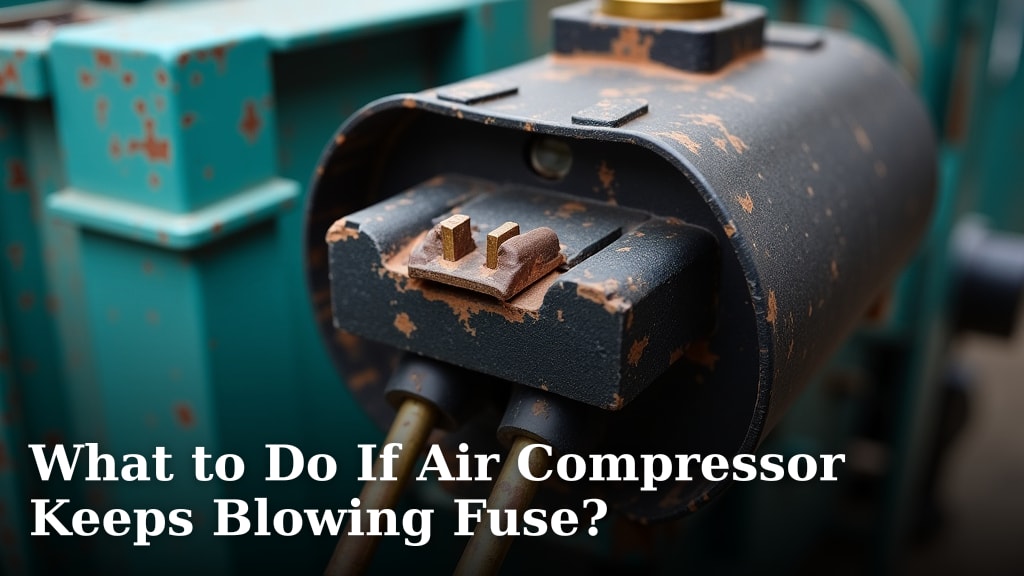
If your air compressor keeps blowing its fuse, it likely means there’s an overload or a short circuit. This safety feature is designed to protect your compressor from damage, so it’s important to address why it’s tripping. We found common culprits include a faulty motor, a bad power cord, or issues with the pressure switch.
A recurring blown fuse isn’t just annoying; it can signal a deeper problem that needs attention. You might be dealing with a worn-out component or a wiring issue. Addressing these potential problems quickly can save you from more expensive repairs down the line. Many experts agree that prompt diagnosis is key for compressor longevity.
- Check for obvious damage to the power cord.
- Listen for unusual noises from the motor.
- Inspect the pressure switch for dirt or damage.
- Ensure the voltage and amperage match the compressor’s needs.
Let’s break down the most common reasons your air compressor’s fuse keeps blowing and what you can do about it.
So, your air compressor keeps blowing its fuse. That’s incredibly frustrating, especially when you need to get a job done. It’s like your compressor is saying, “Nope, not today!” But don’t worry, this is a common problem, and we can help you figure out why it’s happening and what to do about it.
Troubleshooting an Air Compressor That Won’t Stop Tripping the Breaker
When an air compressor fuse keeps blowing, it’s your compressor’s way of screaming for help. It’s a safety mechanism designed to protect the motor and other internal parts from damage. Ignoring this signal can lead to more serious, costly repairs. Let’s dive into the likely causes and how you can tackle them.
Common Culprits Behind a Tripping Fuse
1. The Power Cord and Outlet Issues
Sometimes, the simplest things are the most overlooked. A damaged power cord can cause a short circuit. Check it carefully for any nicks, cuts, or frayed wires. If you find any damage, you’ll need to replace the cord. Many repair guides suggest this as a first step (Popular Mechanics).
Your outlet might also be the problem. An old or faulty outlet might not be able to handle the electrical load of the compressor. Try plugging the compressor into a different outlet to see if the issue persists. Ensure the outlet is properly grounded, too. A loose connection can cause intermittent power issues.
2. Motor Overload or Failure
The motor is the heart of your air compressor. If it’s struggling, it can draw too much power, tripping the fuse. This can happen for a few reasons.
Overheating
Compressors can overheat, especially if they’re used for extended periods or in very hot environments. When a motor gets too hot, its resistance increases, leading to higher amperage draw. Many manufacturers recommend allowing your compressor to cool down between uses (DeWalt Support).
If your compressor feels unusually hot to the touch, that’s a strong indicator. You might also notice a burning smell. Let it cool completely before trying to use it again. If it keeps tripping after cooling, the motor might have sustained damage.
Starting Capacitor Problems
Many air compressors use a starting capacitor to give the motor the initial jolt it needs to begin turning. If this capacitor is failing or has failed, the motor will struggle to start. This struggle causes it to draw a lot of current, which can blow the fuse. You might hear a humming noise, but the motor won’t actually start spinning.
Replacing a starting capacitor is often a DIY-friendly repair. You can find replacements at most hardware stores or online. Just make sure you get the correct one for your compressor’s model. Always disconnect power before attempting any internal repairs.
Worn-Out Motor Components
Over time, the internal parts of the motor can wear down. Bearings can seize, or the windings can become damaged. This wear and tear increases friction and resistance, forcing the motor to work harder and draw more power. You might hear grinding or squealing noises coming from the motor if this is the case.
3. Issues with the Pressure Switch
The pressure switch is responsible for telling your compressor when to turn on and off based on the air pressure in the tank. If this switch malfunctions, it can cause a variety of electrical problems.
Faulty Switch Operation
A common issue is a pressure switch that fails to turn off the motor when the tank reaches its maximum pressure. The motor then continues to run, over-pressurizing the tank and drawing excessive power. This is a serious safety concern and will almost certainly trip the fuse.
Another scenario is a switch that is stuck in the “on” position, preventing the compressor from shutting off. You can often visually inspect the switch for obvious damage or debris. Many maintenance guides suggest cleaning the contacts on the pressure switch if they appear dirty or corroded.
Incorrect Pressure Settings
If the pressure switch is set too high, the motor will have to work much harder to reach that pressure. This increased workload can lead to overheating and over-amperage, tripping the fuse. It’s also possible the switch itself is faulty and not accurately reading the pressure.
We found that ensuring the pressure switch is set to the manufacturer’s recommended maximum pressure is key. This information is usually found in your compressor’s manual. Adjusting this setting can sometimes resolve the blowing fuse issue.
4. Voltage and Amperage Mismatches
Using the wrong electrical supply can cause big problems. Air compressors are designed to run on specific voltage and amperage. If the voltage is too low, the motor will struggle and draw more current. If your home’s circuit breaker amperage is too low for the compressor, it will trip.
Using the Wrong Outlet or Extension Cord
Running your compressor on a circuit that’s already heavily loaded can cause the fuse to blow. It’s best to use a dedicated circuit for your air compressor if possible. Likewise, using an underrated extension cord can restrict power flow, making the compressor work harder.
Many experts recommend using an extension cord that is rated for the amperage of your compressor and is as short as possible. Heavy-duty cords (12-gauge or thicker) are generally best for air compressors. We found that checking the label on your extension cord is a quick way to verify its rating.
Incorrect Voltage Supply
Double-check that your compressor is plugged into an outlet that provides the correct voltage. A 110V compressor needs a 110V outlet, and a 220V compressor needs a 220V outlet. Using the wrong voltage can damage the motor and trip the breaker.
5. Air Leaks and Blockages
While less common for causing immediate fuse blowing, significant air leaks or internal blockages can indirectly contribute to the problem.
Leaky Hoses or Fittings
A large air leak means the compressor has to run more often and for longer periods to maintain pressure. This constant running can lead to overheating and excessive power draw. Check all hoses, fittings, and connections for signs of air escaping. You can sometimes hear hissing sounds or use a soapy water solution to find leaks.
Clogged Air Filters
A severely clogged air filter restricts airflow into the compressor. This makes the motor work much harder to create suction. While usually this leads to reduced performance, in extreme cases, it can contribute to the motor overheating and drawing too much power. Regularly cleaning or replacing your air filter is a simple maintenance task that can prevent many issues.
A Quick Checklist for Your Air Compressor Troubles
If your air compressor keeps blowing fuses, here’s a simple checklist to get you started:
- Inspect the power cord for any visible damage.
- Check the outlet you’re using; try a different one if possible.
- Listen for unusual noises from the motor when it tries to start.
- Feel the motor for excessive heat after it runs briefly.
- Verify the pressure switch is functioning and not stuck.
- Ensure your extension cord (if used) is heavy-duty and appropriate.
When to Call a Professional
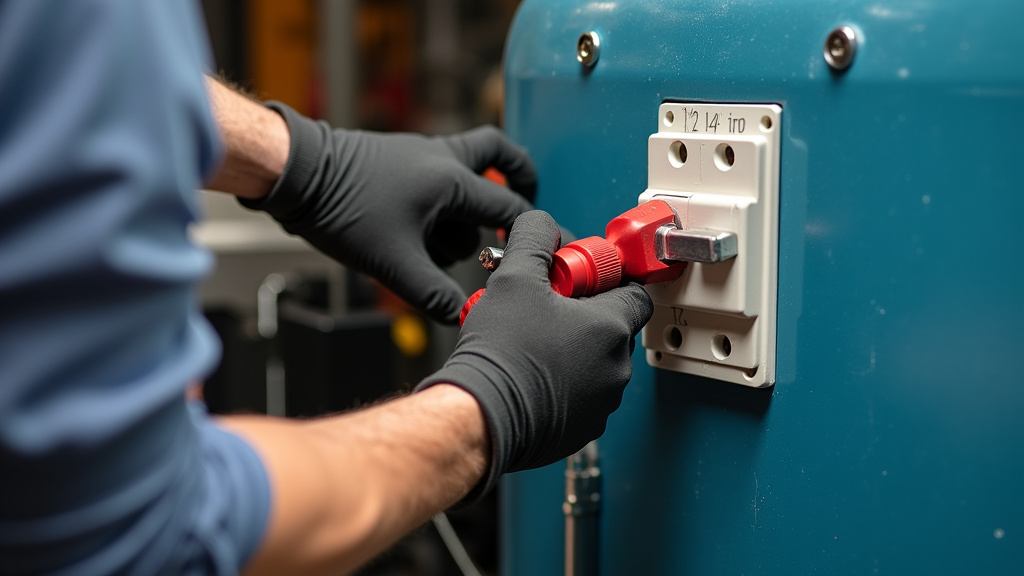
While many of these issues can be addressed with basic troubleshooting, some problems require expert attention. If you’ve gone through the steps above and the fuse continues to blow, or if you’re uncomfortable working with electrical components, it’s time to call a qualified technician. They have the tools and expertise to diagnose more complex electrical faults, motor failures, or internal system issues safely.
Conclusion
It’s frustrating when your air compressor repeatedly blows its fuse, but you’ve now learned the common reasons behind it. You’ve seen how power cord issues, motor problems, pressure switch malfunctions, or electrical mismatches can cause this. Even air leaks can play a part. By systematically checking these components, you can often pinpoint the cause yourself.
Remember, addressing these issues promptly protects your investment. If you’ve tried these steps and the problem persists, or if you’re uncomfortable with electrical work, don’t hesitate to call a qualified technician. Keep your compressor running smoothly for all your projects!
Frequently Asked Questions
What’s the first thing I should check if my air compressor’s fuse blows?
Your first step should be to inspect the power cord for any visible damage like cuts, nicks, or fraying. Also, check the outlet you’re using. Sometimes a faulty outlet or a heavily loaded circuit can cause the fuse to trip.
My compressor’s motor hums but doesn’t start, and the fuse blows. What could it be?
This often points to a problem with the starting capacitor. If the capacitor is failing, the motor struggles to get going, drawing too much power and blowing the fuse. You might also hear grinding or squealing if motor components are worn out.
Can an air leak cause my compressor’s fuse to blow?
While not usually the direct cause of an immediate fuse blow, significant air leaks force the compressor to run more often and for longer periods. This extended runtime can lead to overheating and excessive power draw, which *can* eventually trip the fuse.
How do I know if my pressure switch is faulty?
A faulty pressure switch might fail to shut off the motor when the tank reaches maximum pressure, causing it to over-pressurize and draw too much power. You might also notice the compressor runs constantly or doesn’t turn off as it should.
Is it safe to use a long extension cord with my air compressor?
It’s generally not recommended, especially if the cord is not heavy-duty and properly rated. A long or underrated extension cord can restrict power flow, making your compressor work harder and potentially causing the fuse to blow. Always use the shortest, heaviest-gauge cord possible.
