
Why Is My Air Compressor Tripping the Breaker?
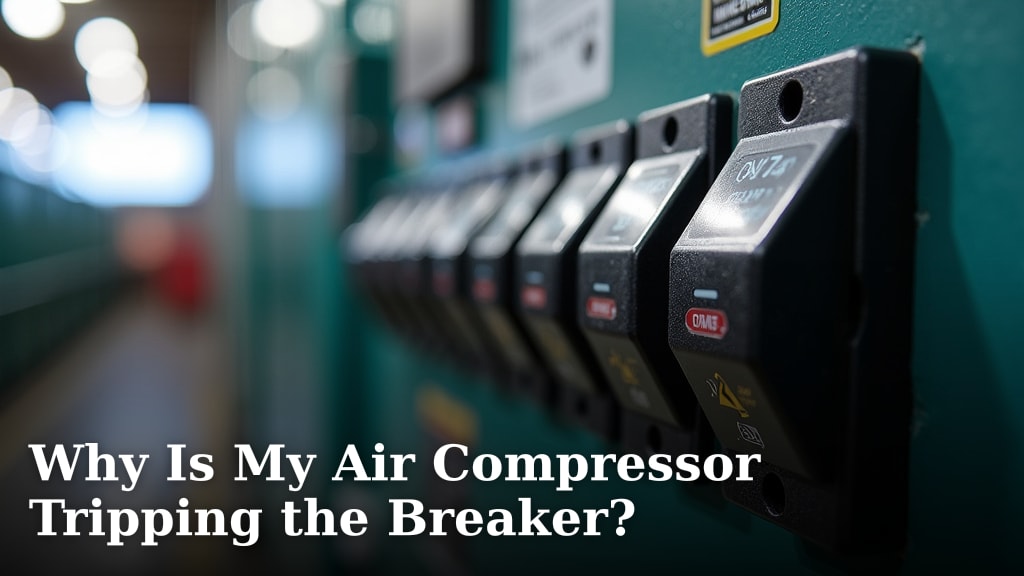
Your air compressor is tripping the breaker because of an electrical overload, often caused by a motor drawing too much current, a faulty component, or an issue with your electrical supply. This safety feature protects your system from damage and prevents potential fires. Addressing the root cause quickly will get your compressor working again safely.
You’re probably wondering what’s causing this frustrating issue with your air compressor. We found that problems often stem from issues like low voltage, a failing motor, or even a capacitor gone bad. It’s also possible your breaker itself is old or undersized for your compressor’s needs, which is a common oversight.
- Electrical overload is the main reason.
- A struggling motor or bad capacitor can be culprits.
- Your electrical circuit might be too small.
- Sometimes, the breaker itself is faulty.
Let’s walk through the common reasons why your air compressor might be tripping your breaker and how you can figure out what’s going on. We’ll help you troubleshoot these common issues step-by-step.
Understanding Why Your Air Compressor Trips the Breaker
Your air compressor is tripping the breaker because it’s asking for more electrical current than the circuit can safely provide. Think of it like trying to pour a gallon of water into a pint glass – it just overflows. The breaker trips to prevent overheating and potential damage to your wiring or the compressor itself.
Common Culprits: Why Your Compressor Demands Too Much Power
We’ve all been there – you’re trying to get a job done, and suddenly, everything goes dark. When your air compressor is the cause, it usually points to a few common issues. Let’s look at what might be going on inside your unit.
Motor Problems: The Heart of the Compressor
The motor is the workhorse of your air compressor. If it’s struggling, it will draw excessive current, leading to a tripped breaker. We found that older motors or those under heavy stress are often the culprits.
- Overheating: Just like you get tired in the heat, your motor can too. A hot motor works harder and pulls more amps.
- Worn Bearings: Bearings help parts move smoothly. If they’re worn, the motor has to fight more friction, drawing more power.
- Short Circuits: Sometimes, wires inside the motor can touch where they shouldn’t, causing a sudden surge. This is a quick way to trip a breaker.
- Failed Windings: The copper coils (windings) inside the motor are crucial. If they fail, the motor can’t operate efficiently and pulls too much current.
Starting Capacitors: The Initial Boost
Many air compressors use a starting capacitor to give the motor a boost when it first kicks on. It’s like the initial push you give a swing. If this capacitor is weak or has failed, the motor struggles to start, drawing a massive amount of current in its attempt. This can easily trip your breaker.
Low Voltage Conditions: Not Enough Power at the Outlet
Imagine trying to run a marathon on an empty stomach. That’s what your compressor motor experiences with low voltage. If the voltage supplied to your compressor is too low, the motor has to draw more current to produce the same amount of power. We found that this is a common issue in older homes or with long extension cords (Electrical Safety Foundation International).
Blocked Air Intake: Your Compressor Can’t Breathe
Your compressor needs to “breathe” air to work. If the air filter is clogged or the intake is blocked, the compressor has to work much harder to pull in air. This extra effort translates to the motor drawing more current, and yep, you guessed it – a tripped breaker. It’s like trying to run with a hand over your mouth and nose; it’s a lot harder!
Faulty Pressure Switch: The Brain of the System
The pressure switch tells your compressor when to turn on and off based on the air pressure in the tank. If this switch is faulty, it might cause the compressor to cycle on too frequently, or worse, struggle to turn off. A switch that isn’t working right can lead to the motor drawing continuous high current or repeated hard starts, stressing the electrical circuit.
Electrical System Issues: Is Your Breaker Up to the Task?
Sometimes the compressor isn’t the problem at all. The issue might be hiding in your home’s electrical system. It’s worth considering if your electrical setup can handle the demands of your compressor.
Undersized Breaker: Too Small for the Job
Every breaker has a rating, like 15 amps or 20 amps. This rating tells you how much current it can safely handle. If your air compressor, especially a larger model, is plugged into a circuit with an undersized breaker, it will trip every time. It’s not that the compressor is faulty; it’s just asking for more power than the circuit can safely provide. Many experts say to check your compressor’s manual for its recommended amperage (National Electrical Code).
Worn or Faulty Breaker: Old Age and Wear and Tear
Breakers don’t last forever. Over time, they can weaken and become more sensitive, tripping even when they shouldn’t. An old or faulty breaker might trip with less current than its rating, making it seem like your compressor is the problem. If your breaker feels loose or looks discolored, it might be time for a professional to inspect it.
Loose Wiring Connections: A Hidden Danger
Loose connections in your outlet, the compressor’s plug, or even inside the compressor itself can create resistance. This resistance generates heat and causes voltage drops, forcing the motor to draw more current to compensate. We found that loose wiring can also be a fire hazard, so it’s something to address quickly.
Too Many Devices on One Circuit: Sharing is Not Always Caring
Are you running your air compressor, a shop vacuum, and your radio all on the same circuit? Each device draws current. If the total current drawn by all devices on a single circuit exceeds the breaker’s rating, it will trip. It’s like having too many people trying to go through a small door at once – someone’s going to get stuck!
Troubleshooting Checklist: Your Step-by-Step Guide
Ready to figure out what’s going on? Here’s a quick checklist to help you narrow down the possibilities. Remember to always prioritize safety when working with electricity.
- Check your compressor’s manual for its amperage requirements.
- Confirm your breaker’s amperage rating to ensure it’s sufficient.
- Disconnect all other devices from the circuit and run only the compressor.
- Inspect the compressor’s air filter for blockages or dirt.
- Listen for unusual noises from the motor, like humming or grinding.
- Feel the motor for excessive heat after a short run.
- If comfortable, visually inspect the power cord and plug for damage.
When to Call a Professional: Knowing Your Limits
While some issues, like a clogged air filter or an overloaded circuit, are relatively easy to fix, others require expert help. We always advise you to call a qualified electrician or a compressor technician if you suspect internal motor problems, faulty wiring, or an undersized main electrical panel. Your safety is paramount. Don’t take risks with electricity if you’re not experienced.
Here’s a quick guide to help you decide:
| Issue | DIY Possible? | When to Call a Pro |
|---|---|---|
| Clogged Air Filter | Yes | If cleaning doesn’t help |
| Overloaded Circuit | Yes (by moving appliances) | If you need new circuits installed |
| Undersized Breaker | No | Always call an electrician |
| Motor Overheating/Damage | No (complex repairs) | For motor repair or replacement |
| Faulty Capacitor | Yes (with caution, discharge first) | If unsure about discharging or replacing |
| Loose Wiring (panel/outlet) | No (electrical hazard) | Always call an electrician |
| Faulty Pressure Switch | Yes (replacement) | If wiring is complex or you’re unsure |
Conclusion
Dealing with a tripping air compressor breaker can be frustrating, but now you understand the common causes. Whether it’s a struggling motor, a faulty capacitor, low voltage, or an issue with your electrical system, identifying the root cause is key. We found that most problems boil down to the compressor drawing more current than the circuit can safely provide.
Remember, your safety comes first. Use the troubleshooting checklist to narrow down the problem. Don’t hesitate to call a qualified professional if you’re unsure or dealing with complex electrical issues. Getting to the bottom of it will ensure your compressor runs smoothly and safely for a long time.
Frequently Asked Questions
How can I tell if my air compressor motor is truly bad?
If your motor hums loudly but doesn’t start, or trips the breaker immediately on startup, it could be bad. You might also notice a burning smell or excessive heat from the motor casing. These are strong indicators that the motor needs professional inspection or replacement.
Can an old extension cord cause my air compressor to trip the breaker?
Yes, absolutely. A long or undersized extension cord causes a voltage drop, especially under load. This forces your compressor’s motor to draw more current, leading to a tripped breaker. Always use a heavy-gauge, short extension cord if one is necessary.
Why does my air compressor trip the breaker only sometimes?
Intermittent tripping can be tricky. It often points to issues that worsen under specific conditions, such as an overheating motor after extended use, a capacitor failing only when hot, or a pressure switch that’s sticking. Keep an eye on when the trips occur to help diagnose the problem.
Is it normal for a new air compressor to trip the breaker?
It’s not normal for a new air compressor to trip a correctly sized breaker. If this happens, first check if the breaker’s amperage matches the compressor’s requirements. If the circuit is adequate, it could indicate a defect in the new unit or an underlying issue with your electrical supply.
What’s the difference between a running capacitor and a starting capacitor?
A starting capacitor gives the motor a quick boost to get it moving from a dead stop. A running capacitor, if present, helps maintain the motor’s efficiency once it’s already running. Both can cause tripping if they fail, but a faulty starting capacitor often causes immediate trips upon startup.
