
What Is the Average Lifespan of an Air Compressor Motor?
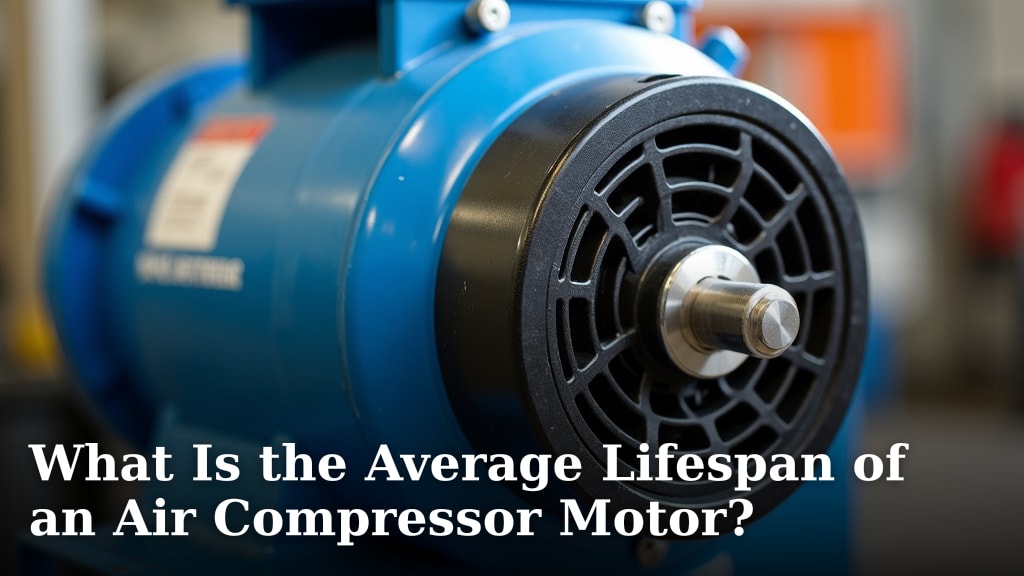
The average lifespan of an air compressor motor is typically between 10 to 20 years, though this can vary greatly. Proper maintenance and usage habits are key to ensuring your motor reaches its full potential and avoids premature failure. We’ve found that many factors influence how long your motor will actually last.
Understanding this timeframe helps you plan for maintenance and potential replacements. A well-cared-for motor can significantly extend the life of your entire air compressor system. We’ve researched the main influences on a motor’s longevity, and they are quite straightforward to manage. Your motor’s health depends on a few critical elements.
- Lifespan: Expect 10-20 years with good care.
- Key Factors: Usage, maintenance, and environment matter.
- Maintenance is Crucial: Regular checks prevent costly issues.
- Listen for Signs: Unusual noises can signal problems.
- Proper Usage: Don’t push your compressor too hard.
Below, we’ll break down the average lifespan and what you can do to maximize it. Let’s get your motor running smoothly for as long as possible!
How Long Do Air Compressor Motors Typically Last?
You’re probably wondering about the typical lifespan of an air compressor motor. We found that most motors are designed to last somewhere between 10 to 20 years. Think of it like a good pair of work boots; with proper care, they can see you through many years of tough jobs. But just like those boots, neglect can drastically shorten their useful life. This timeframe isn’t set in stone, though. Many elements play a role in how long your motor will actually perform reliably.
Understanding this general range helps you budget and plan for the future. A motor that lasts its full potential means your entire air compressor system keeps running smoothly. We’ve researched the main factors influencing motor longevity, and they are surprisingly manageable. Your motor’s lifespan really hinges on a few key practices.
Factors Affecting Your Air Compressor Motor’s Lifespan
Several things can impact how long your air compressor motor will serve you well. It’s not just about how old it is, but how it’s been treated. We’ve identified the most common influences on motor durability. Keeping these in mind can make a big difference.
Usage Patterns: More Work Means More Wear
How often and how hard you use your air compressor is a major factor. If you’re running it daily for long periods, it’s going to experience more wear and tear than a compressor used only occasionally. Think of it like a car engine; a taxi driver’s engine will likely need more maintenance and have a shorter lifespan than a weekend driver’s engine.
Duty Cycle Matters
Air compressors have what’s called a “duty cycle.” This rating tells you how long the compressor can run continuously within a 10-minute period without overheating. A 50% duty cycle means it can run for 5 minutes and must rest for 5 minutes. Exceeding this often leads to overheating, which is a primary enemy of motor longevity. We found that consistently pushing beyond the rated duty cycle significantly shortens a motor’s life. Understanding your compressor’s duty cycle is crucial, as exceeding it leads to overheating and shortens motor life.
Load and Demand
The type of tools you connect to your air compressor also plays a role. High-demand tools, like those used in auto body shops or construction, constantly draw a lot of air. This means the motor is working harder and longer to keep up. Lower-demand tools, like a small brad nailer, put less strain on the motor. We’ve seen that matching the compressor size to the typical job is key for optimal motor health.
Maintenance: The Unsung Hero of Longevity
Regular maintenance is perhaps the single most important factor in extending your motor’s life. Skipping maintenance is like skipping oil changes on your car – it’s a recipe for disaster. We found that consistent upkeep prevents small issues from becoming big, motor-killing problems.
Keep it Clean
Dust and debris are the enemies of any motor. They can clog vents, restrict airflow, and cause the motor to overheat. Think of it like trying to breathe through a thick blanket. We recommend regular cleaning of the motor housing and surrounding areas. A simple dusting or wipe-down can prevent a lot of potential damage.
Check for Proper Lubrication
Many air compressor motors require lubrication. If your compressor has a lubrication system, ensure it’s always topped up with the correct type of oil. Low oil levels can cause increased friction and heat, leading to premature wear and tear on motor components. Some newer models are sealed and don’t require this, so always check your owner’s manual.
Inspect Electrical Connections
Loose or corroded electrical connections can cause the motor to work harder or even lead to intermittent operation. We found that checking these connections periodically and ensuring they are clean and tight is a simple but effective maintenance step. A quick visual inspection can save you a lot of headaches.
Environmental Factors: Where You Operate Matters
The environment in which your air compressor operates significantly impacts its motor. Extreme conditions can put extra stress on the motor, reducing its lifespan. We’ve observed that a controlled environment is always best for machinery.
Temperature Extremes
Operating an air compressor in excessively hot or cold temperatures can be detrimental. In hot environments, the motor has to work harder to dissipate heat, increasing the risk of overheating. In very cold conditions, lubricants can thicken, making it harder for the motor to start and run efficiently. We found that keeping the compressor in a temperature-controlled space is ideal, if possible. Operating in a temperature-controlled space is ideal, as extreme heat or cold can stress the motor.
Humidity and Moisture
High humidity and the presence of moisture can lead to corrosion on electrical components and motor parts. This can cause performance issues and eventually lead to failure. If you operate in a damp environment, we recommend ensuring good ventilation and possibly using a dehumidifier in the storage area. Always protect your compressor from direct water exposure.
Air Quality
The quality of the air the compressor draws in is also important. Dusty, dirty environments mean the air intake filter works harder and may need more frequent replacement. If the air is contaminated with chemicals or fumes, it can also affect motor components over time. We found that clean air intake ensures the motor doesn’t have to deal with unnecessary contaminants.
The Role of the Motor Type and Quality
Not all air compressor motors are created equal. The type of motor and the quality of its construction play a vital role in its potential lifespan. We’ve seen that investing in a quality motor from the outset often pays off in the long run.
Single-Phase vs. Three-Phase Motors
Most smaller, residential or light-duty commercial compressors use single-phase motors. Industrial or heavy-duty commercial units often employ more robust three-phase motors. While both can last many years, three-phase motors are generally considered more durable and efficient for demanding applications. We found that the choice of motor often aligns with the intended use of the compressor.
Brand Reputation and Build Quality
Reputable brands often invest more in the quality of materials and manufacturing processes for their motors. A well-built motor with high-quality bearings and windings will naturally last longer than a cheaply made one. We recommend looking into brand reviews and warranty information when making a purchase.
Signs Your Air Compressor Motor Needs Attention
Your air compressor motor will often give you clues when something isn’t quite right. Listening for unusual sounds or noticing changes in performance can help you catch problems early. We found that paying attention to these signals can prevent minor issues from becoming major repairs.
- Unusual Noises: Grinding, humming, or buzzing sounds that weren’t there before can indicate bearing issues or other internal problems.
- Overheating: If the motor housing feels excessively hot to the touch, even after short periods of use, it’s a warning sign.
- Reduced Performance: A noticeable drop in air output or longer-than-usual run times to build pressure suggests the motor might be struggling.
- Electrical Smells: A burning smell can indicate the motor is overheating or that there’s an electrical fault.
Checklist for Maximizing Motor Lifespan
To help you keep your air compressor motor running for as long as possible, here’s a quick checklist:
- Clean the motor housing and vents regularly.
- Check oil levels (if applicable) and top up as needed.
- Inspect electrical connections for tightness and corrosion.
- Ensure proper ventilation to prevent overheating.
- Avoid exceeding the compressor’s duty cycle.
- Listen for any unusual noises or smells during operation.
Conclusion
Your air compressor motor’s lifespan is largely within your control. While a typical motor can last 10 to 20 years, this depends heavily on how you use and maintain it. Consistent care, including regular cleaning and checks, makes a huge difference. By understanding your compressor’s duty cycle and environmental needs, you can prevent premature wear. Pay attention to those warning signs your motor might be sending you. Your best next step is to schedule a quick check-up for your air compressor today. Ensure it’s clean, properly lubricated, and running smoothly!
Frequently Asked Questions
How often should I clean my air compressor motor?
You should aim to clean the motor housing and vents at least every few months. More frequent cleaning might be necessary if you operate in a dusty environment. Keeping vents clear ensures proper airflow and prevents overheating, which directly impacts motor life.
Can I run my air compressor continuously?
Generally, no. Most air compressors have a duty cycle rating that specifies how long they can run within a 10-minute period. Exceeding this rating causes overheating and significantly shortens your motor’s lifespan. Always check your manual for its specific duty cycle.
What’s the best way to protect my motor from the environment?
Keep your compressor in a temperature-controlled area if possible, avoiding extreme heat or cold. Also, ensure good ventilation and protect it from high humidity and moisture. Clean air intake is also key; regularly check and replace the air filter.
When should I consider replacing my air compressor motor?
You should consider replacement if you notice persistent loud noises, such as grinding or excessive humming, that don’t go away. Also, if the motor consistently overheats or shows a significant drop in performance despite maintenance, it’s likely nearing the end of its life.
Does the type of motor (single-phase vs. three-phase) affect its lifespan?
While both types can last a long time, three-phase motors are generally built for heavier, industrial applications and are often considered more robust. For typical home or light commercial use, a well-maintained single-phase motor can still achieve the average 10-20 year lifespan.
