
How To Use Campbell Hausfeld Air Compressor 110 PSI?
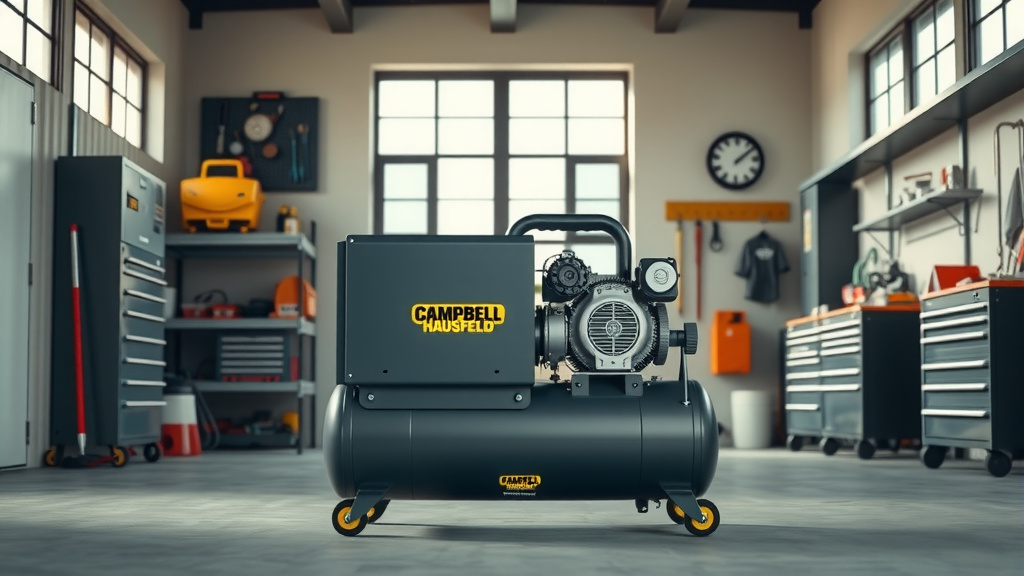
Using your Campbell Hausfeld Air Compressor 110 PSI involves a few straightforward steps: connecting power, checking the oil, attaching the right air tool, and setting the pressure.
Always ensure your workspace is safe, and you are wearing appropriate protective gear before operating your Campbell Hausfeld Air Compressor 110 PSI.
Here’s a quick overview of what you’ll find in this guide:
- Get started quickly with essential setup steps.
- Understand how to connect tools and adjust pressure safely.
- Learn practical tips for smooth operation and maintenance.
- Discover solutions to common air compressor questions.
How To Use Campbell Hausfeld Air Compressor 110 PSI?
Using your Campbell Hausfeld 110 PSI air compressor is simple once you understand the basic setup, operation, and safety precautions.
It’s about preparing your unit, connecting your tools, and then getting to work safely and efficiently.
First Things First: Unboxing and Setup
You’ve just unboxed your new compressor. Exciting, right?
Before you plug it in, let’s make sure everything is in its right place.
Many experts recommend a visual inspection for any shipping damage (Campbell Hausfeld manual).
Choosing the Right Spot
Where will your compressor live? We found that a flat, level surface is ideal.
It needs good airflow around it to prevent overheating. Give it some breathing room!
Checking the Oil (If Applicable)
Some Campbell Hausfeld models are oil-lubricated. If yours is, check the oil level.
Many manuals suggest filling it to the indicated mark with compressor oil, never motor oil.
Attaching the Air Filter
Usually, the air filter comes separate. Just twist it on. It keeps dust out, which is good for your compressor’s health.
A clean filter helps your compressor run more efficiently, we found.
Connecting Power and Initial Start-Up
Now, let’s get some power to this thing!
Always use a grounded outlet. Your safety is important, remember?
The First Run: Breaking It In
Before you attach any tools, let the compressor run for about 15-20 minutes with the drain valve open. This is called “break-in.”
It helps lubricate internal parts and ensures everything is working correctly, experts say.
Attaching Your Air Tools
This is where the fun begins! Your compressor is ready to power your projects.
What are you planning to do? Inflate tires, use a nail gun, or maybe spray paint?
Understanding Quick-Connect Couplers
Most air hoses and tools use quick-connect couplers. It’s like a simple plug-and-play system.
Pull back the collar on the coupler, insert the tool’s plug, and release. Give it a gentle tug to ensure it’s secure.
Choosing the Right Air Hose
A good air hose matters. We found that a hose with a larger inner diameter (like 3/8-inch) is better for tools needing more airflow.
Shorter hoses also deliver more pressure to your tool (research shows).
Setting the Pressure (PSI)
Different tools need different pressures. Your Campbell Hausfeld 110 PSI compressor is quite versatile.
Always check your tool’s manual for its recommended operating pressure.
Using the Regulator Knob
Your compressor has a regulator knob, usually near the gauges. Turn it clockwise to increase pressure and counter-clockwise to decrease it.
The output gauge shows the pressure going to your tool.
Common Pressure Settings Checklist
Here’s a quick guide for common tasks. Remember, these are general ranges.
- Tire Inflation: 30-35 PSI (for cars), 50-90 PSI (for trucks/RVs)
- Nail Gun/Stapler: 70-120 PSI (depending on nail length and material)
- Blow Gun: 20-30 PSI (for cleaning dust)
- Paint Sprayer: 20-50 PSI (HVLP), 40-70 PSI (conventional)
- Air Ratchet: 90 PSI
Operating Your Compressor Safely
Safety is not just a suggestion; it’s a must. Treat your compressor with respect, and it will serve you well.
Many guidelines point to wearing safety glasses and hearing protection as good first steps (OSHA).
Pre-Operation Safety Checklist
Before each use, take a moment to run through this mental checklist:
- Are all connections secure?
- Is the hose free from kinks or damage?
- Is the workspace clear of tripping hazards?
- Are you wearing safety glasses?
- Is the drain valve closed?
Basic Maintenance for Longevity
Think of maintenance as a little TLC for your compressor. It keeps it running smoothly.
Regular maintenance extends the lifespan of your unit (many manufacturers confirm).
Draining the Tank
Water accumulates in the tank due to condensation. If not drained, it can cause rust.
Many experts advise draining the tank daily or after each use, especially in humid conditions.
Here’s a quick look at common maintenance tasks:
| Maintenance Task | Frequency | Why It Matters |
|---|---|---|
| Drain Tank | Daily or After Each Use | Prevents rust and tank damage |
| Check Oil Level (if applicable) | Before Each Use | Ensures proper lubrication, prevents wear |
| Clean Air Filter | Monthly or As Needed | Maintains airflow, compressor efficiency |
| Inspect Hoses & Fittings | Monthly | Checks for leaks and wear, maintains pressure |
Cleaning the Air Filter
A clogged filter makes your compressor work harder. We found that cleaning or replacing it regularly improves performance.
Simply remove it and clean with compressed air or replace if heavily soiled.
Conclusion
Operating your Campbell Hausfeld Air Compressor 110 PSI doesn’t have to be intimidating.
By following these steps, focusing on safety, and performing routine maintenance, you’ll have a reliable tool for years to come.
Remember, a little preparation goes a long way in ensuring your projects are completed efficiently and safely.
What is the ideal pressure for inflating car tires with a Campbell Hausfeld 110 PSI compressor?
For most passenger car tires, an ideal pressure range is typically between 30 and 35 PSI. Always check your vehicle’s owner manual or the sticker inside the driver’s side door for the exact recommended PSI.
How often should I drain the air tank on my compressor?
It’s generally recommended to drain the air tank after each use, or at least daily, especially if you live in a humid environment. This prevents moisture buildup, which can lead to rust and damage to the tank and your air tools.
Can I use any type of oil in my oil-lubricated Campbell Hausfeld compressor?
No, you should only use compressor oil specifically designed for air compressors. Using motor oil or other lubricants can damage the pump and void your warranty. Refer to your compressor’s manual for the exact oil specifications.
Why is my air compressor running constantly and not shutting off?
If your compressor runs continuously, it might be due to a leak in the air lines, fittings, or the tank itself. It could also indicate a faulty pressure switch that isn’t signaling the compressor to stop once the target pressure is reached. Check for leaks first, then consult your manual or a professional.
What safety gear should I always wear when using an air compressor?
Always wear safety glasses to protect your eyes from debris, and hearing protection (earplugs or earmuffs) as compressors can be quite loud. Depending on the tool you’re using, gloves and a dust mask might also be necessary.
