
How To Put Air In Car Tires With Air Compressor?
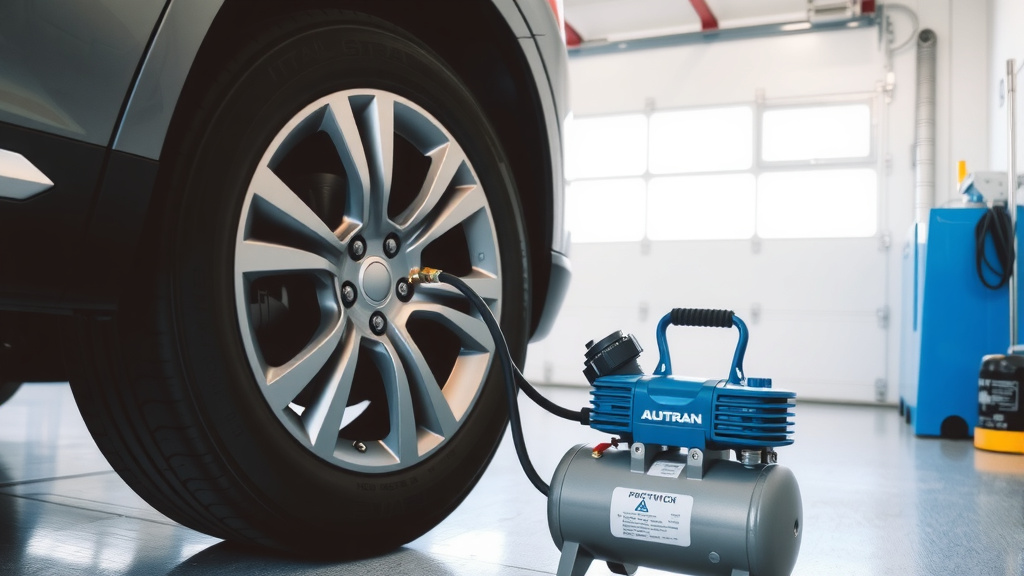
To put air in car tires with an air compressor, first check your car’s recommended PSI on the driver’s side door jamb or owner’s manual. Then, securely attach the compressor’s air chuck to the tire’s valve stem and add air in short bursts, checking the pressure frequently with a reliable gauge until it reaches the correct PSI.
This process is quite simple and helps maintain proper tire pressure, ensuring safer driving, better fuel economy, and extending tire life significantly.
Here’s a quick overview of how to inflate your car tires:
- Find your car’s ideal tire pressure (PSI) on the driver’s door sticker.
- Gather your portable air compressor and a tire pressure gauge.
- Unscrew the valve cap and firmly attach the compressor’s nozzle to the valve stem.
- Add air in short bursts, checking the pressure often to avoid overfilling.
- Replace the valve cap and repeat for all other tires.
How To Put Air In Car Tires With Air Compressor?
Putting air in car tires with an air compressor involves attaching the compressor to the tire valve and adding air until the correct pressure is reached. It’s a straightforward task that you can easily do at home.
Keeping your tires properly inflated is really important for your car’s performance and your safety on the road. It’s like giving your car the right shoes for a long walk.
Why Tire Pressure Matters So Much
Think of your tires as the foundation of your car. Proper inflation impacts everything from how smoothly you drive to how much gas you use.
Many experts say that correctly inflated tires are vital for road safety (National Highway Traffic Safety Administration). Underinflated tires can lead to tire failure, a scary thought when you’re driving.
Beyond safety, you’ll see a direct benefit in your wallet. Research often connects proper tire pressure with improved fuel efficiency and longer tire life, saving you money in the long run.
What You’ll Need For The Job
Before you start, gather a few basic items. You’ll want your air compressor, a good quality tire pressure gauge, and maybe some safety glasses.
Having the right tools ready makes the process quick and easy. It’s like having all your ingredients prepped before cooking a meal.
Choosing The Right Air Compressor
Air compressors come in various shapes and sizes. For car tires, you generally have two main choices: a portable 12V compressor or a larger shop compressor.
Portable compressors are super convenient; they plug into your car’s cigarette lighter or 12V outlet. We found they are perfect for quick top-ups or roadside emergencies.
Larger shop compressors offer faster inflation and can handle more tasks, but they are less mobile. Most people find a portable unit ideal for tire maintenance at home.
Understanding PSI and Your Car’s Needs
PSI stands for “pounds per square inch,” and it’s the standard measurement for tire pressure. Every car has a specific recommended PSI.
You can find your car’s recommended PSI on a sticker located on the driver’s side door jamb. If it’s not there, check your owner’s manual; it’s always listed there.
Never rely on the PSI printed on the tire sidewall; that’s the maximum pressure the tire can handle, not the recommended operating pressure for your vehicle. It’s a common misconception.
Safety First: A Quick Check
Before you start, take a moment for safety. Make sure your car is on a flat, stable surface and the engine is off.
We found that checking tire pressure when tires are “cold” — meaning the car hasn’t been driven for at least three hours or more than a mile — provides the most accurate reading (Tire Industry Association).
Wearing safety glasses is a good idea, just in case something unexpected happens with the valve stem or air chuck. A little precaution goes a long way.
Step-by-Step Guide: Filling Your Tires
Now, let’s get to the actual process. It’s easier than you might think, almost like learning to tie your shoes.
Step 1: Check Your Current Tire Pressure
Remove the valve cap from one tire. Firmly press your tire pressure gauge onto the valve stem. Note the reading.
Compare this number to your car’s recommended PSI. You’ll know if you need to add or release air.
Step 2: Prepare The Compressor
Plug in your portable air compressor. Make sure it’s placed on a stable surface near the tire you’re working on.
Double-check that the compressor hose reaches comfortably to all your tires. You don’t want it to be stretched tight.
Step 3: Connect The Air Chuck To The Valve Stem
Remove the valve cap again, if you replaced it. Push the air chuck (the nozzle on the compressor hose) onto the tire’s valve stem.
You’ll hear a slight hiss of air, which is normal. Secure the chuck firmly; some have a lever to lock it in place. A good connection prevents air leaks.
Step 4: Add Air In Short Bursts
Turn on your air compressor. Add air in short, controlled bursts, usually for about 5-10 seconds at a time.
This allows you to monitor the pressure closely and avoid overfilling. Patience is key here, like carefully filling a water glass.
Step 5: Recheck Pressure And Adjust
Turn off the compressor. Detach the air chuck and immediately recheck the tire pressure with your gauge.
If it’s too low, repeat Step 4. If it’s too high, gently press the small pin in the center of the valve stem with the back of your gauge to release a little air. Recheck again.
Step 6: Replace The Valve Cap
Once you reach the correct PSI, remove the gauge and screw the valve cap back on tightly. This cap helps keep dirt and moisture out of the valve stem.
Repeat these steps for all four tires, including your spare if you have one. Consistency is important for balanced tire performance.
Common Mistakes To Avoid
It’s easy to make a few small errors when you’re starting out. Learning to avoid them makes the job much smoother.
Many experts warn against overfilling your tires, as this can reduce traction and cause uneven wear (Tire Rack). It’s always better to be slightly under than significantly over.
Also, avoid checking and filling hot tires. As mentioned, the heat from driving increases tire pressure, giving you an inaccurate reading. Always aim for cold tires.
Troubleshooting Tips
Sometimes things don’t go perfectly. If you encounter issues, don’t worry, there are usually simple fixes.
If air leaks when you connect the chuck, try pushing it on more firmly or adjusting its angle. A faulty chuck might also be the issue.
If your compressor isn’t turning on, check its power connection. For 12V models, make sure your car’s accessory outlet is working. Also, check for a blown fuse in the compressor itself.
When To Seek Professional Help
If you have a persistent slow leak, or if your tires are constantly losing pressure, it’s best to visit a professional. They can inspect for punctures or valve stem issues.
Never ignore significant tire damage or unusual bulges. These issues require expert attention for your safety.
Here’s a quick comparison of common air compressor types for tires:
| Feature | Portable 12V Compressor | Shop Air Compressor (Larger) |
|---|---|---|
| Power Source | Car’s 12V socket | Wall outlet (AC) |
| Portability | Very High (compact) | Low (heavy, wheeled) |
| Inflation Speed | Slower | Faster |
| Cost | Lower | Higher |
| Typical Use | Car tires, small inflatables | Tools, multiple tires, shop use |
Here’s a handy checklist before you start inflating your tires:
- Locate your car’s recommended PSI.
- Ensure tires are cold for accurate readings.
- Gather your compressor, gauge, and valve caps.
- Park on level ground, engine off.
- Inspect tires for any visible damage.
Conclusion
Putting air in your car tires with an air compressor is a simple, yet incredibly important, maintenance task. It directly impacts your safety, saves you money on gas, and helps your tires last longer.
By following these straightforward steps, you can confidently maintain optimal tire pressure right from your driveway. It’s a skill worth having for any car owner. Regular checks, perhaps once a month, will keep your car running its best.
Why is it important to check tire pressure when tires are “cold”?
Checking cold tires gives the most accurate pressure reading because driving heats up the air inside the tires, which artificially increases the pressure. Waiting a few hours after driving ensures you get a true baseline measurement.
Can I use any air compressor to inflate my car tires?
While most air compressors can inflate car tires, a portable 12V compressor is generally the most convenient for this specific task. Larger shop compressors work fine too, but they are less practical for on-the-go or home use if you only need to fill tires.
What should I do if my tire pressure gauge gives different readings than my car’s dashboard system?
Always trust a good quality, handheld tire pressure gauge over your car’s dashboard system. Dashboard readouts can sometimes be less precise. If there’s a significant discrepancy, recheck with your handheld gauge and ensure it’s properly calibrated or replace it if it seems faulty.
How often should I check my car’s tire pressure?
Many experts recommend checking your tire pressure at least once a month, and always before long trips. Temperature changes can also affect tire pressure, so it’s a good idea to check more frequently during seasonal shifts.
Is it possible to overinflate a car tire with an air compressor?
Yes, it is definitely possible to overinflate a car tire. Adding too much air can reduce tire traction, make for a harsher ride, and even increase the risk of a blowout. Always inflate to your car’s recommended PSI, not the maximum listed on the tire itself.
