
How To Increase Air Compressor Capacity?
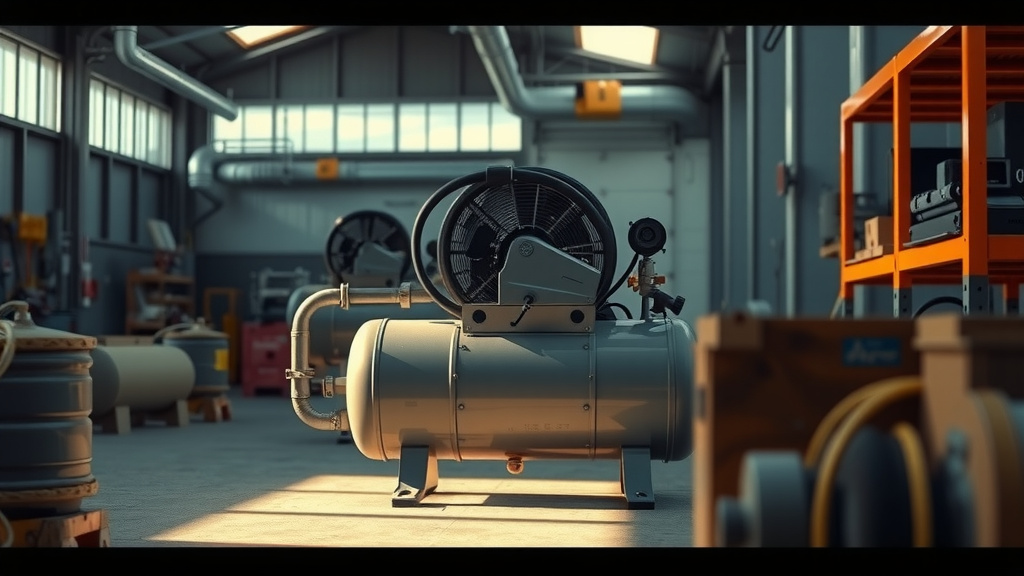
You can increase air compressor capacity primarily by optimizing your existing system to reduce air loss, improving airflow, or strategically adding components like larger air receiver tanks.
For significant increases, you might upgrade the compressor pump or motor, or even integrate a second compressor to handle peak demands effectively.
TL;DR: Boost your air compressor capacity with these quick tips:
- Fix air leaks throughout your system to prevent wasted air.
- Clean or replace air filters regularly for optimal performance.
- Install a larger air receiver tank to manage peak demands better.
- Improve piping to reduce pressure drops and enhance airflow.
- Consider adding a second, smaller compressor for occasional high-demand tasks.
How To Increase Air Compressor Capacity?
Increasing your air compressor’s capacity involves smart adjustments and sometimes strategic upgrades. It helps you keep tools running smoothly without frustrating pauses or performance dips.
Why Worry About Your Compressor’s Capacity?
Think of it like trying to run a marathon with a small glass of water instead of a full bottle. If your compressor can’t keep up, your tools will lag. This means slower work, lower efficiency, and sometimes even damaged equipment.
You might notice your air tools losing power quickly or your compressor constantly running. These are clear signs it’s struggling to meet your demands. It’s frustrating, right?
Understanding Your Current Setup
Before you make changes, it helps to know what you have. Your compressor’s capacity is usually measured in Cubic Feet per Minute (CFM). This tells you how much air it can deliver per minute.
Pressure is measured in Pounds per Square Inch (PSI). While PSI makes your tools powerful, CFM dictates how long they can stay powerful. You need both working well together.
The Difference Between Capacity and Pressure
It’s easy to mix these up. PSI is the “push” of the air, like how hard water comes out of a hose. CFM is the “amount” of air, like how much water is in the hose. You can have high pressure but low volume, meaning your tool starts strong but quickly fades.
For most air tools, a consistent volume of air (CFM) is more important than just high pressure. Without enough CFM, your tools simply won’t perform as they should, even if the PSI gauge looks good.
Practical Ways to Boost Your Air Compressor Capacity
Let’s dive into real, actionable steps you can take. You might be surprised how much difference simple changes can make without buying a whole new unit.
1. Optimize Your Existing System
Sometimes, the solution isn’t about adding more, but about losing less. We found that optimizing what you already have can yield significant improvements (Compressed Air Best Practices Magazine).
Fix Those Leaks!
Air leaks are silent energy thieves. Many experts say a small leak can waste a surprising amount of air over time. Finding and fixing them is often the cheapest way to “increase” your usable capacity.
You can often hear larger leaks, but smaller ones require a soapy water solution. Spray it on joints and hoses; bubbles reveal hidden escapes. It’s like patching a tiny hole in a balloon.
Here’s a quick leak-finding checklist:
- Check all pipe fittings and connections.
- Inspect hoses for cracks or worn spots.
- Examine quick-connect fittings and couplers.
- Listen for hissing around valves and drains.
- Test air tools themselves for internal leaks.
Clean Your Air Filters Regularly
A dirty air filter chokes your compressor. It forces the machine to work harder to pull in air, reducing its efficiency and capacity. We found that a clogged filter significantly restricts airflow, much like trying to breathe through a pillow.
Most manufacturers recommend cleaning or replacing filters monthly, or more often in dusty environments. This simple task can greatly improve your compressor’s ability to produce air.
Improve Airflow with Proper Piping
Your air lines are the highways for compressed air. Too small, too long, or too many bends, and you’ll experience significant pressure drops. This means less useful air reaching your tools.
Many guidelines point to using the correct pipe diameter for your CFM needs (Compressed Air & Gas Institute). Shorter, wider pipes with fewer sharp turns keep the air flowing freely.
Here’s how pipe characteristics affect air delivery:
| Pipe Characteristic | Impact on Capacity | Recommendation |
|---|---|---|
| Smaller Diameter | Restricts airflow, lowers CFM at tool. | Use larger diameter piping. |
| Longer Runs | Increases pressure drop. | Keep runs as short as possible. |
| Sharp Bends/Elbows | Create turbulence and pressure loss. | Use gradual bends or fewer fittings. |
| Incorrect Material | Rough inner surfaces impede flow. | Opt for smooth-bore piping (e.g., copper, aluminum). |
Regular Maintenance is Key
Just like your car needs oil changes, your compressor needs regular check-ups. Maintaining proper oil levels, checking belts, and draining moisture from the tank are vital. We found that neglecting these tasks directly impacts efficiency.
A well-maintained compressor runs smoother, lasts longer, and delivers its maximum potential capacity. It’s an investment in its long-term health and your productivity.
2. Add Supplemental Components
Sometimes, your single compressor just needs a little help managing demand. These additions can give you a boost when needed.
Consider an Additional Air Receiver Tank
An extra air tank doesn’t increase how much air your compressor can produce per minute. But it does give you a larger storage buffer. This is incredibly useful for short bursts of high demand.
Imagine needing to run a powerful impact wrench for a minute. A larger tank means you have more stored air ready to go, so your compressor doesn’t have to cycle as frequently. It provides a reservoir of power.
Add a Second Compressor for Peak Loads
If you regularly hit high demand moments that your single compressor can’t handle, consider adding a second, smaller unit. You can set them up in a “lead/lag” system.
The primary compressor handles daily tasks, and the secondary one kicks in only when extra air is needed. This saves energy and extends the life of both machines. It’s like having a backup dancer for your lead performer.
3. Upgrade or Replace Components
If optimization and additions aren’t enough, it might be time for more significant changes. These options can genuinely increase your compressor’s output capacity.
Install a More Efficient Motor
Sometimes, the motor isn’t quite powerful enough for the pump. Upgrading to a motor with higher horsepower can allow the pump to run at its optimal speed and pressure. This directly translates to more CFM output.
However, research often connects motor upgrades with careful electrical load planning (U.S. Department of Energy). Make sure your electrical system can support a more powerful motor.
Upgrade the Compressor Pump Itself
The pump is the heart of your compressor. If your motor is fine but your pump can’t keep up, replacing it with a larger, higher-CFM pump is a direct way to increase capacity. This is a common upgrade for older units.
Always ensure the new pump is compatible with your existing motor and tank size. You want a balanced system, not just a bigger pump that your motor can’t drive effectively.
When to Consider a New Compressor Entirely
There comes a point when pouring money into an old, undersized compressor just doesn’t make sense. If you’re constantly fighting capacity issues, frequent breakdowns, or high energy bills, a new, properly sized compressor might be the most cost-effective solution.
Many experts say that modern compressors are far more energy-efficient and reliable. Investing in a new unit designed for your current and future needs can save you headaches and money in the long run.
Don’t Forget About Proper Sizing
When you look to increase capacity, always consider your future needs. Are you adding more tools? Expanding your workshop? Over-sizing slightly can prevent future capacity headaches.
It’s always better to have a little more capacity than you need, rather than constantly struggling with too little. Think about growth and how your air demands might change.
Measuring Your Air Consumption
To accurately address capacity issues, you need to know how much air you’re actually using. This is called air consumption. We found that many users overestimate or underestimate their needs.
- Add up the CFM requirements for all your frequently used tools.
- Factor in how many tools you use simultaneously.
- Consider duty cycle: how often and how long each tool runs.
- Measure air leaks – this adds to your consumption total.
- Compare your total consumption against your compressor’s rated CFM.
Common Mistakes to Avoid
Trying to force a small compressor to do a big job is a common pitfall. Don’t simply crank up the PSI hoping for more power; it often won’t help with true capacity issues and can stress your machine.
Another mistake is neglecting basic maintenance. A neglected compressor, no matter how powerful, will always underperform. Consistency in care pays off in consistent capacity.
Conclusion
Increasing your air compressor capacity is entirely achievable, whether through smart optimization or strategic upgrades. Start by eliminating wasteful leaks and ensuring clean airflow. Then, consider if an extra tank or a more powerful pump could bridge your capacity gaps. Remember, a well-maintained, appropriately sized system will always serve you best, keeping your tools powered and your projects on track.
What are the immediate benefits of fixing air leaks in my compressor system?
Fixing air leaks immediately increases the usable air available to your tools without the compressor working harder. This improves tool performance, reduces compressor run time, and lowers your electricity bill, essentially giving you “free” capacity.
Can I add any size air receiver tank to my existing compressor?
While you can generally add larger tanks, it’s essential to consider the compressor’s capacity and the system’s pressure ratings. The tank should be rated for your maximum system pressure, and an excessively large tank might mean your compressor runs for very long cycles to fill it, without a true increase in production rate.
How do I know if my air filter needs cleaning or replacement?
You can usually tell by inspecting it; a visibly dirty or clogged filter indicates it’s time for maintenance. Some compressors have a pressure differential gauge that indicates when the filter is restricting airflow. A noticeable drop in your compressor’s performance or a longer time to build pressure are also good indicators.
Is it better to upgrade an old compressor or buy a new one?
This depends on the age and condition of your old compressor. If it’s relatively new but slightly undersized, an upgrade like a larger pump or motor might be cost-effective. However, if your compressor is very old, inefficient, or frequently breaks down, investing in a new, modern unit often provides better long-term value, reliability, and energy savings.
Does increasing the air compressor capacity affect its lifespan?
If done correctly by optimizing the system and matching components, increasing capacity can actually extend its lifespan by reducing constant overwork. However, forcing an undersized compressor to constantly run at its maximum or beyond its design limits by simply increasing motor RPM without other considerations will definitely shorten its life and cause premature wear.
