How To Use EverStart Air Compressor?
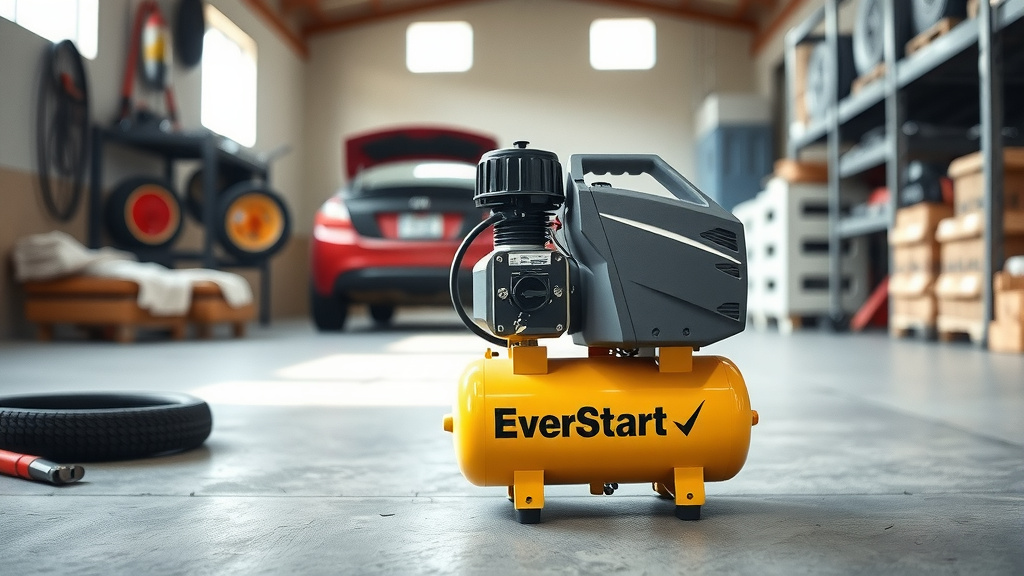
To use your EverStart Air Compressor, first, connect it to a power source and attach the correct nozzle to the hose for your task. Then, power it on, set your desired pressure, and inflate your item while monitoring the gauge.
Always prioritize safety by reading your EverStart Air Compressor manual, working in a well-ventilated area, and wearing eye protection before starting any inflation task.
- EverStart air compressors are excellent for many home inflation jobs.
- Always begin with safety checks and read your specific model’s manual.
- Setting up your compressor is easy: connect power, attach the right tool, and set pressure.
- Regular maintenance, like draining moisture, helps keep your compressor working well.
- This tool can make tasks like airing up tires or sports balls much simpler.
How To Use EverStart Air Compressor?
Using an EverStart air compressor involves simple steps: connect it to power, attach the right accessory, set your target pressure, and begin inflating. It’s designed for straightforward operation.
Understanding Your EverStart Air Compressor
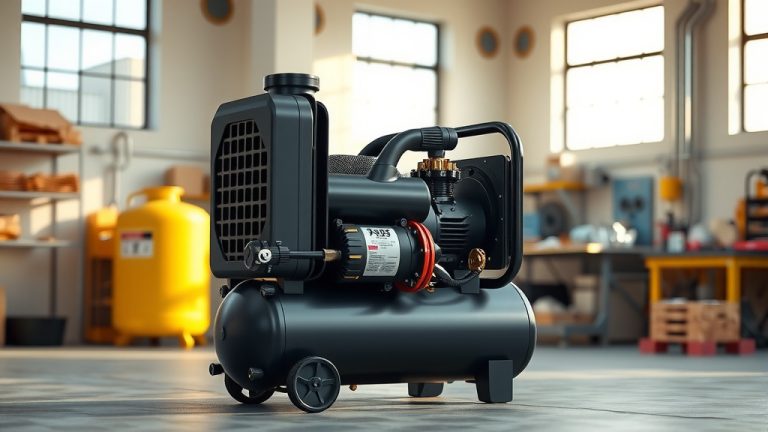
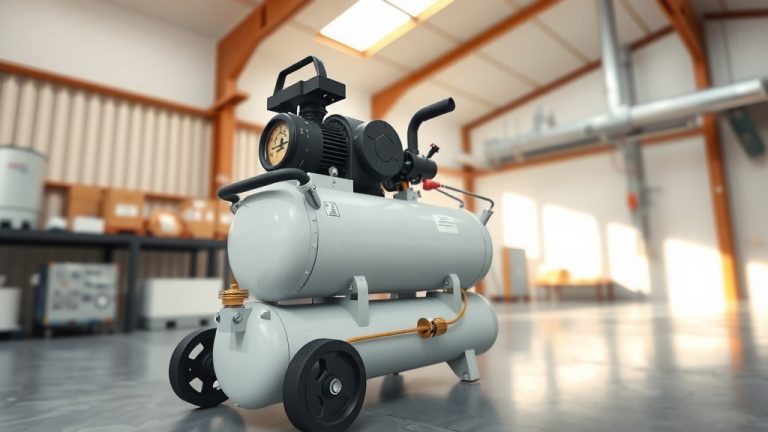
Your EverStart air compressor is a handy tool, perfect for inflating tires, sports equipment, and small inflatables. It works by compressing air into a tank, ready for use when you need it.
Knowing your model’s features, like its maximum PSI or tank size, helps you use it effectively. Many experts suggest checking the specifications in your user guide for the best performance.
Essential Safety First Steps
Before you even plug in your compressor, safety is key. Always wear safety glasses to protect your eyes from any debris or air bursts. We found that this small step prevents many common accidents (OSHA guidelines).
Work in a well-ventilated area. Air compressors can get warm and should have proper airflow around them. Never use it near flammable liquids or gases, as research shows this can create a fire risk.
Setting Up Your EverStart Compressor
Getting your compressor ready is quick and easy. First, ensure the compressor is on a flat, stable surface. This prevents it from tipping over during operation.
Next, find a suitable power outlet. Many EverStart models use a standard household plug. Always use a grounded outlet to prevent electrical issues, which many safety manuals recommend.
Attaching the Right Accessories
Your compressor comes with different nozzles and attachments. Pick the one that matches your inflation task. For car tires, you’ll use the standard tire chuck.
Connect the chosen accessory securely to the air hose. A proper connection ensures no air leaks and efficient inflation. Give it a gentle tug to confirm it’s tight.
Operating Your Air Compressor
Once everything is connected, you’re ready to start. Turn the power switch to the “on” position. You’ll hear the compressor motor start to run, building pressure in the tank. This can take a few minutes.
Wait until the compressor reaches its maximum pressure and then shuts off automatically. This shows the tank is full and ready to deliver air. Now you can use it for your task.
Setting the Desired Pressure (PSI)
Most items have a recommended pressure, often in PSI (pounds per square inch). For example, car tires have a PSI listed on the tire sidewall or door jamb sticker. Sports balls also have a recommended PSI.
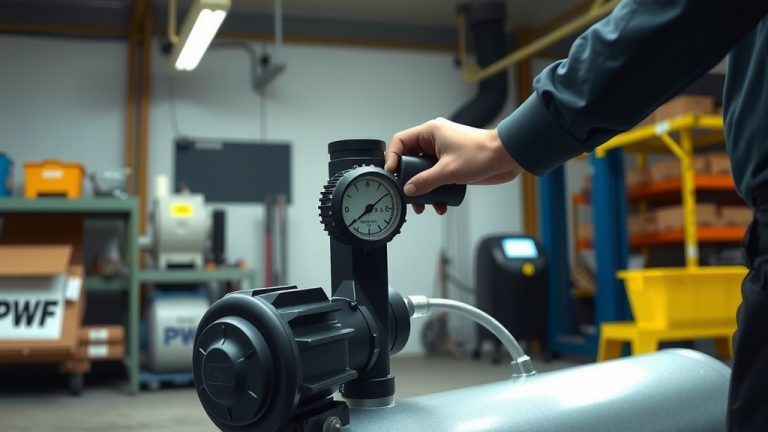
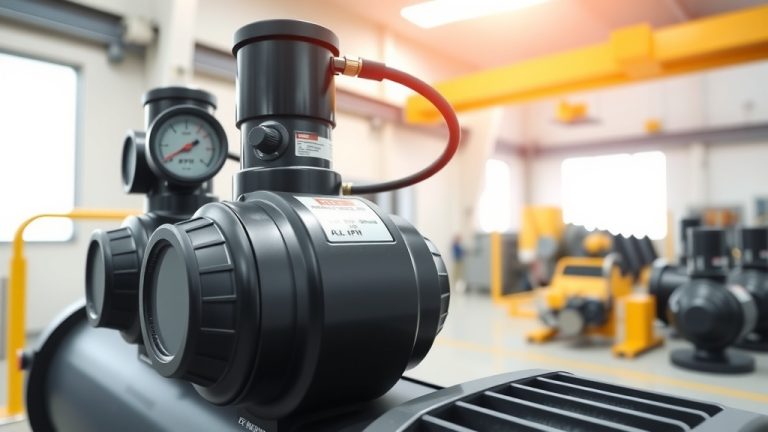
Use your compressor’s pressure gauge to monitor the PSI as you inflate. Some EverStart models might have a pressure regulator. If so, adjust it to your target PSI before starting.
Inflating Tires with Your Compressor
Inflating tires is one of the most common uses for an EverStart compressor. First, remove the valve cap from the tire. Then, press the tire chuck onto the valve stem firmly.
You’ll hear air flowing into the tire. Watch the compressor’s gauge or a separate tire gauge carefully. Stop inflating when you reach the recommended PSI. Overtiring can be unsafe, as experts warn.
Inflating Sports Equipment and Inflatables
For items like basketballs or pool floats, you’ll use different nozzles. Insert the correct needle or tapered nozzle into the item’s air valve.
Inflate these items slowly and in short bursts. They often require much lower PSI than tires. Over-inflating can easily damage them, making them burst. Monitor their firmness closely.
Pre-Operation Checklist for Success
- Read the user manual for your specific EverStart model.
- Wear eye protection (safety glasses).
- Ensure a well-ventilated and stable workspace.
- Confirm all connections (power, hose, accessory) are secure.
- Check the item’s recommended inflation pressure (PSI).
Maintenance Tips for Longevity
Taking care of your EverStart compressor ensures it lasts a long time. The most important step is to drain the condensation from the air tank after each use, or at least regularly. Moisture inside the tank can lead to rust.
Many experts suggest checking air filters periodically. A clogged filter can reduce efficiency. Clean or replace it as your manual recommends. This keeps your compressor breathing easy, much like how you keep your car’s engine filter clean.
Quick Troubleshooting Common Issues
Sometimes, your compressor might not work as expected. If it doesn’t turn on, check the power connection and outlet. Is the circuit breaker tripped? That’s a common culprit we found.
If it runs but doesn’t build pressure, check for air leaks in the hose or connections. Tighten them up. A loose fitting can be like trying to fill a bucket with a hole in it. Sometimes, the pressure relief valve might be stuck open.
Comparing Inflation Tasks & PSI
Different items need different amounts of air pressure. Knowing these ranges helps you avoid damage and inflate safely. Here’s a quick guide for common items:
| Inflation Task | Typical PSI Range | Recommended Nozzle |
|---|---|---|
| Car Tires | 30-35 PSI | Tire Chuck |
| Bicycle Tires | 30-80 PSI (check tire) | Tire Chuck / Presta Adapter |
| Basketballs/Footballs | 7-13 PSI | Needle Inflator |
| Pool Floats/Air Mattresses | Low PSI (often under 5) | Tapered Nozzle |
Conclusion
Using your EverStart air compressor is a straightforward process that empowers you to handle various inflation tasks around your home and garage. By following basic safety guidelines and understanding its simple operation, you can keep your tires, sports gear, and inflatables properly aired up.
Remember to always prioritize safety, check recommended PSI levels, and perform regular maintenance. With these steps, your EverStart compressor will be a reliable tool for years to come. It’s truly a helpful addition to any toolkit.
FAQs About EverStart Air Compressors
How do I drain water from my EverStart air compressor?
To drain water, locate the drain valve at the bottom of the compressor tank. With the compressor off and unplugged, open this valve slowly to release any accumulated condensation. Close it once all water and air have escaped. Many experts say doing this regularly prevents rust.
Can I use my EverStart air compressor for power tools?
Most EverStart compressors, especially portable models, are designed for inflation tasks. While some might technically run small air tools, their tank size and CFM (Cubic Feet per Minute) output are often too low for sustained tool use. Always check your model’s specifications and the tool’s requirements.
What if my EverStart compressor won’t turn on?
First, check that it’s securely plugged into a working, grounded outlet. Test the outlet with another device. Next, check your home’s circuit breaker; it might have tripped. If the compressor has an internal reset button, try pressing that. If these steps don’t work, we found it’s best to consult your manual or a repair professional.
How do I know what PSI to inflate my car tires to?
The correct tire pressure for your car is usually found on a sticker inside the driver’s side door jamb or in your vehicle’s owner’s manual. It is also sometimes printed on the tire sidewall itself, though this is the maximum pressure for the tire, not necessarily the recommended pressure for your vehicle. Never exceed the maximum PSI listed on the tire.
Is it normal for the air compressor to get hot?
Yes, it is normal for an air compressor to get warm during operation, especially after prolonged use. The motor generates heat as it works to compress air. However, if it becomes excessively hot to the touch or if you smell burning, shut it off immediately and let it cool down. Ensure it’s in a well-ventilated area to prevent overheating.